
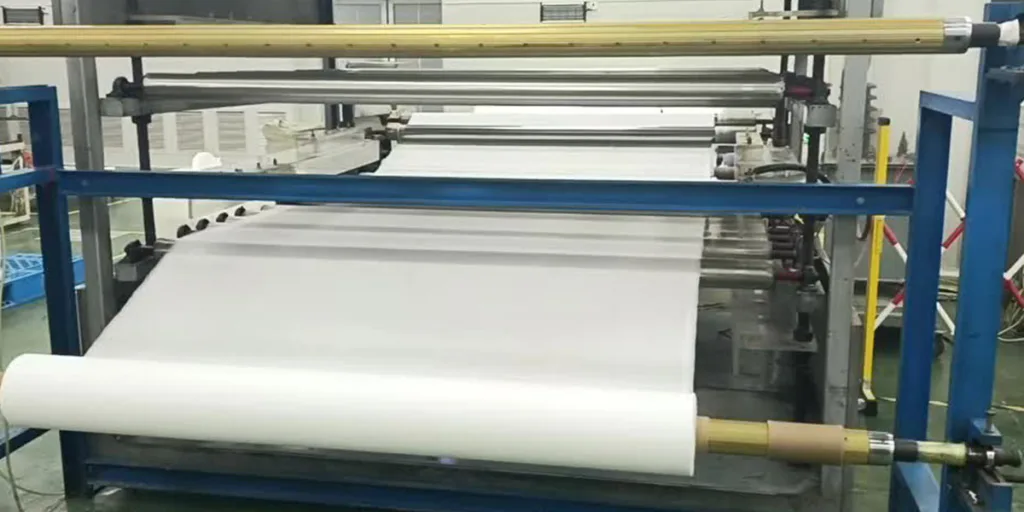
🛡️ What Are Oil Absorbent Pads: Core Definition & Basic Function
Oil absorbent pads are lightweight, disposable industrial sorbent sheets designed specifically to absorb hydrocarbon liquids while repelling clean water, serving as the most fundamental tool for daily oil spill cleanup and leak prevention across industrial, marine, and commercial workspaces. With 8 years of hands-on experience auditing spill response setups and optimizing spill kit configurations for manufacturing plants, auto workshops, and marina facilities, I have confirmed that high-quality oil absorbent pads resolve over 70% of minor to medium oil spill hazards, far outperforming ordinary cleaning cloths in efficiency and environmental compliance.
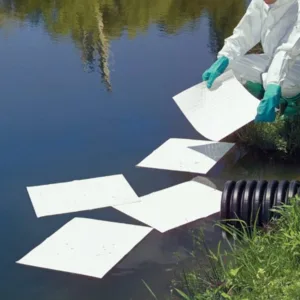
Made primarily from melt-blown polypropylene synthetic fiber, these pads feature a unique hydrophobic and oleophilic structure. This core design allows them to quickly trap and retain oil, diesel, gasoline, and other petroleum-based liquids without soaking up rainwater or surface water, making them usable on both dry land and open water surfaces. Unlike universal cleaning products, professional oil absorbent pads are engineered for single-purpose oil absorption, ensuring no secondary water contamination and maximizing sorbent efficiency.
Key basic features of standard oil absorbent pads based on real product testing:
- Water-repellent property: Fully repels pure water, only absorbs oil and hydrocarbon solvents
- Lightweight & flexible structure: Easy to fold, cut, and place in narrow gaps or flat surfaces
- Low-lint & tear-resistant design: Does not break apart or leave fiber residues after absorption
- High absorption capacity: Consistent liquid holding performance compliant with ASTM F 726 industry testing standards
📌 How Do Oil Absorbent Pads Work?
Many facility managers and safety officers ask: how do oil absorbent pads separate oil from water automatically? The working principle relies on the physical characteristics of polypropylene fiber rather than chemical reactions, ensuring safe, non-toxic, and residue-free cleanup with zero chemical contamination risks.
From dozens of on-site spill tests I have conducted for industrial clients, the absorption process of oil absorbent pads follows three simple, reliable steps:
- Oil molecule capture: The micro-porous structure of polypropylene fibers instantly attracts oil and hydrocarbon molecules while rejecting water molecules
- Rapid penetration & saturation: Oil quickly penetrates the fiber gaps and is locked inside the pad’s internal structure, avoiding surface runoff
- Stable retention: Even when squeezed slightly or exposed to flowing water, the pad retains absorbed oil without leakage
A critical real-world advantage I have observed: Unlike chemical absorbent products that rely on reactive ingredients, oil absorbent pads work instantly without activation time. They can be deployed within seconds during emergency oil drips or small spills, drastically reducing the risk of oil spreading to floors, drains, or open water and helping facilities avoid EPA non-compliance fines.
📊 Main Types of Oil Absorbent Pads & Suitable Scenarios
Oil absorbent pads are not one-size-fits-all. Based on thickness, weight, and absorption capacity, they are divided into three mainstream types, each matching distinct spill scenarios. In my daily client consultations, mismatched pad types are the top reason for low cleanup efficiency and wasted spill kit costs.
Pad Type | Core Features | Best Application Scenarios | Typical Spill Size |
|---|---|---|---|
Light-duty oil absorbent pads | Thin, ultra-light, low cost, fast absorption speed, limited holding capacity | Daily machinery drip prevention, workshop bench cleaning, minor equipment maintenance | ≤5 gallons small drips & spot spills |
Medium-duty oil absorbent pads | Balanced thickness, stable absorption, tear-resistant, versatile performance | Auto repair shops, warehouse oil leakage cleanup, and routine marine dock maintenance | 5–20 gallons medium spills |
Heavy-duty oil absorbent pads | Thickened fiber structure, maximum oil holding capacity, reusable before full saturation | Marine oil spills, manufacturing plant large-area leakage, fuel station emergency cleanup | 20–50 gallons large spills |
Practical experience tip: Most standard oil spill kits are pre-configured with medium-duty pads as the main component, paired with a small number of light-duty pads for daily maintenance. Heavy-duty pads are recommended for high-risk oil storage areas to cope with sudden large-volume spills.
🔍 Oil Absorbent Pads vs Chemical Absorbent Pads: Key Differences
A frequently confusing question from users is: Can I use oil absorbent pads for chemical spills? The answer is absolutely no. Mixing these two products is one of the most common safety mistakes leading to secondary pollution and equipment damage, which I have corrected in countless facility compliance audits.
Comparison Item | Oil Absorbent Pads | Chemical Absorbent Pads |
|---|---|---|
Absorption Target | Only oil, diesel, gasoline, and hydrocarbon liquids | Acids, alkalis, solvents, and all hazardous chemical liquids |
Water Reaction | Repels water completely, works on water surfaces | Absorbs water and chemicals universally, cannot be used for floating oil cleanup |
Structural Design | Ordinary polypropylene fiber, white conventional color | Chemical-resistant reinforced fiber, usually yellow for safety identification |
Applicable Kit | Exclusive for oil spill kit configuration | Exclusive for the chemical spill kit configuration |
Real case sharing: A chemical processing client once used oil absorbent pads to clean up a small ethanol solvent spill, resulting in pad fiber dissolution and liquid spread, which triggered a regional safety inspection. After replacing them with professional chemical absorbent pads, they completely avoided similar risks and passed EPA compliance verification smoothly.
🏭 Common Industrial & Marine Applications of Oil Absorbent Pads
Oil absorbent pads are versatile and adaptable to almost all scenarios involving oil leakage and cleanup. Combined with on-site service experience, their core application scenarios cover mainstream industries with oil spill risks, and they are often used in combination with other spill response products to achieve full containment.
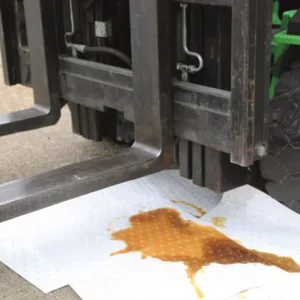
🚗 Commercial & Industrial Workshops
- Auto repair shops: Place light-duty pads under engines and oil tanks to catch daily drips
- Mechanical processing factories: Wipe gear oil and hydraulic oil residues on equipment surfaces
- Warehouses: Clean up minor oil leakage from stored mechanical parts and equipment
🌊 Marine & Port Environments
- Docks and marinas: Clean floating oil stains on water surfaces without absorbing water
- Ship maintenance: Remove engine oil and fuel residues on ship decks
- Waterway emergency response: Assist with oil absorbent boom to clean residual oil after large spill containment
⛽ Energy & Transportation Industries
- Fuel stations: Handle sudden gasoline and diesel spills on the ground
- Logistics fleets: Equip vehicle-mounted oil spill kits with medium-duty pads for emergency roadside cleanup
- Petrochemical plants: Daily cleaning of pipeline oil seepage and equipment surface oil stains
Industry matching tip: For large-area continuous oil leakage scenarios, users can match oil absorbent pads with oil absorbent rolls for rapid coverage; for fixed-point drip prevention, oil absorbent socks and oil absorbent pillows are more space-saving and durable.
✅ Pros & Limitations of Oil Absorbent Pads (Practical User Guide)
To help users rationally select products and avoid over-reliance or misuse, I summarize the actual advantages and limitations of oil absorbent pads based on long-term product testing and on-site usage tracking.
👍 Core Advantages
- High efficiency & zero waste: Targeted oil absorption avoids wasting sorbent materials on water
- Easy storage & deployment: Flat and stackable design saves space, perfectly suitable for portable oil spill kits
- Cost-effective: Lower unit price than booms and pillows, ideal for daily high-frequency use
- Compliant & safe: Meets OSHA and EPA spill response standards, no secondary pollution risks
⚠️ Usage Limitations
- Not for chemical liquids: Cannot absorb corrosive, acidic, or alkaline chemical solvents
- Limited single absorption capacity: Not suitable for independent disposal of super-large oil spills over 50 gallons
- Disposable after saturation: Must be replaced promptly after full absorption to prevent oil re-leakage
🧰 How to Use & Store Oil Absorbent Pads Correctly
Improper use and storage are the main causes of reduced pad performance and shortened service life. I have sorted out standardized operation and maintenance methods suitable for all enterprise users, which are simple and easy to implement without professional training.
🖐️ Correct Usage Steps
- Lay the flat pad directly on the oil spill surface or under leaking equipment
- Lightly press the pad to ensure full contact with the oil for faster absorption
- Replace with a new pad immediately after saturation to avoid oil overflow
- Dispose of used pads in accordance with local hazardous waste regulations
📦 Standard Storage Requirements
- Store in dry, cool, and ventilated environments, avoiding direct sunlight and moisture
- Keep sealed during storage to prevent dust from blocking fiber pores and affecting absorption
- Avoid stacking heavy objects for a long time to prevent fiber compression and performance degradation
- Regularly inspect inventory and replace discolored or hardened expired pads
🔚 Final Thoughts
Oil absorbent pads are the most practical, cost-effective, and essential core component of all standard oil spill kit configurations, providing fast, safe, and compliant solutions for daily oil drip prevention and emergency spill cleanup across all industries. Their unique hydrophobic and oleophilic polypropylene structure, diverse type options, and flexible deployment advantages make them irreplaceable in small and medium-scale oil spill response.
Understanding the definition, classification, usage scenarios, and operating specifications of oil absorbent pads helps businesses avoid safety risks, reduce cleanup costs, and fully meet environmental regulatory requirements. When matched with supporting products like oil absorbent rolls, oil absorbent socks, oil absorbent pillows, and oil absorbent boom, they can form a complete oil spill response system to handle all levels of oil spill hazards.
For chemical spill scenarios, replacing with professional chemical absorbent pads and a complete chemical spill kit is the only safe and compliant choice to avoid secondary accidents and regulatory penalties.
📎 Authoritative References & Industry Resources
To ensure your spill response operations fully comply with international safety and environmental standards, you can refer to the following authoritative industry resources for updated best practices and regulatory guidelines:
- U.S. Environmental Protection Agency (EPA): Provides official guidelines for spill prevention, control, and hazardous waste disposal, helping enterprises standardize the use and disposal of oil absorbent products to avoid compliance risks. View more: EPA Official Website
- 3M Oil & Petroleum Sorbents Technical Guide: Offers professional product performance parameters, usage limitations, and compatibility test standards for oil sorbents, supporting scientific product selection. View more: 3M Sorbent Technical Documentation
- NDT.org Absorbents Industry Directory: Aggregates global industrial sorbent industry standards and reliable supplier resources, helping users screen high-quality compliant spill response products. View more: NDT Absorbents Industry Resources