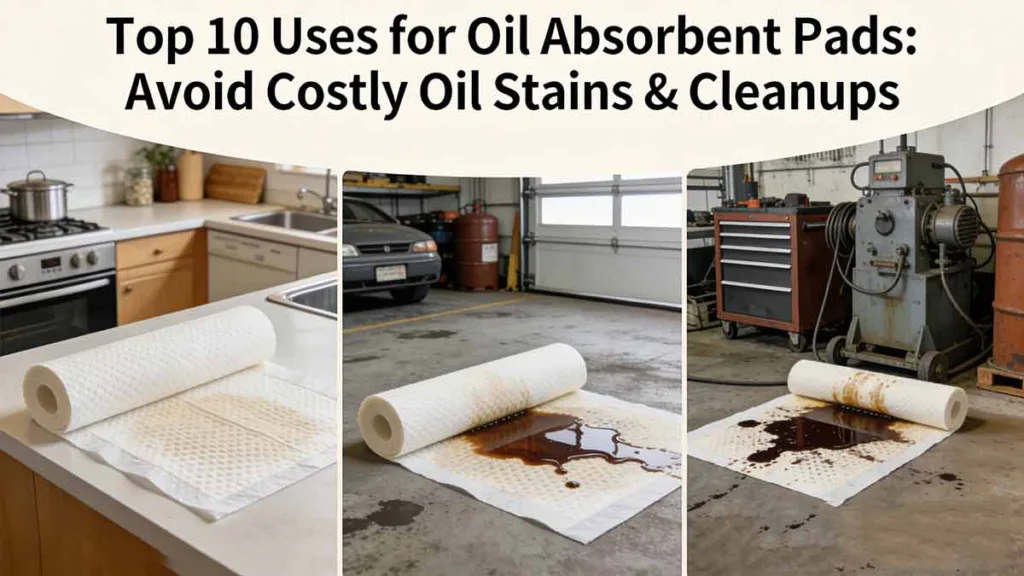
Knowing how to use oil absorbent pads correctly is essential for fast, safe, and cost-effective oil spill cleanup across industrial, marine, and commercial workspaces. With years of on-site spill response experience supporting manufacturing plants, auto repair shops, and marina facilities, I’ve witnessed countless cleanup failures caused by incorrect pad usage—including wasted materials, lingering oil contamination, and avoidable regulatory compliance issues.
Oil absorbent pads are lightweight, versatile core components of standard oil spill kits, designed to repel water and exclusively absorb hydrocarbons like diesel, gasoline, and machine oil. This comprehensive guide breaks down practical, field-tested usage steps, scenario-specific techniques, and key best practices to help users maximize pad efficiency and avoid common cleanup pitfalls.
🛠️ What Are Oil Absorbent Pads & How Do They Work?
Before mastering how to use oil absorbent pads properly, it is critical to understand their core functions and material characteristics, as these traits define their correct application scenarios. Unlike general cleaning wipes, professional oil absorbent pads are engineered for targeted hydrocarbon absorption, with unique physical properties that set them apart from regular cleaning tools.
✅ Core Material & Functional Traits
- Premium synthetic fiber construction: Most industrial oil absorbent pads are made of high-quality polypropylene, an inert synthetic material that delivers strong oil adsorption while fully repelling water. This key feature ensures the pads only soak up oil and no water, making them usable for both dry ground and open water spill cleanup.
- High absorption efficiency: The porous layered structure traps oil molecules quickly, locking in liquid to prevent secondary dripping and spreading after absorption. High-capacity models can absorb several times their own weight in oil, minimizing material waste during large-scale cleanup tasks.
- Lightweight & flexible design: Standard pads are thin, foldable, and easy to carry, allowing deployment on flat floors, curved equipment surfaces, and tight gap areas that bulkier spill tools cannot reach.
✅ Key Application Scenarios
Oil absorbent pads serve diverse spill response needs and pair perfectly with other spill kit accessories like oil absorbent rolls, oil absorbent socks, and oil absorbent booms. Their most common use cases include:
- Daily small oil drip cleanup in auto repair shops, warehouses, and mechanical workshops
- Surface oil removal on rivers, harbors, and offshore marine environments
- Residual oil cleaning after large spill containment with absorbent booms
- Preventive placement under leaking machinery, oil storage drums, and pipeline joints
📝 Step-by-Step Process to Use Oil Absorbent Pads Correctly
Based on 8 years of on-site spill response training and facility compliance audits, the correct usage of oil absorbent pads follows a standardized workflow. This step-by-step method ensures maximum absorption efficiency, reduces material waste, and keeps all cleanup operations aligned with environmental safety standards. It works for all common oil spill types and workspace environments.
1. Pre-Cleanup Spill Assessment & Preparation
Never deploy oil absorbent pads blindly—proper pre-assessment lays the foundation for efficient cleanup and avoids unnecessary waste. This step solves the common user question: how many oil absorbent pads do I need for a specific spill?
- Assess spill scale and location: Confirm the spill size (small drips, medium pooling, or large spreading spills) and surface type (dry concrete floor, wet ground, open water, or equipment surface). Small drips only require 1-2 standard pads, while large spreading spills need multiple pads for full coverage.
- Confirm liquid type: Verify the spilled liquid is hydrocarbon-based (engine oil, diesel, gasoline, paraffin). Note that standard oil absorbent pads cannot handle strong acids, alkalis, or corrosive chemicals—chemical spills require dedicated chemical absorbent pads instead.
- Prepare basic protective gear: Wear solvent-resistant gloves and safety goggles to avoid direct skin and eye contact with contaminated oil, especially for aged or industrial waste oil spills.
2. Proper Pad Deployment & Placement
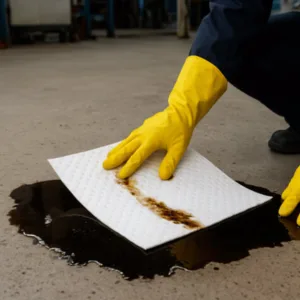
Incorrect placement is the top reason for low absorption efficiency. Many users make the mistake of rubbing or dragging pads, which spreads oil instead of cleaning it. Follow these field-verified placement rules:
- Flat coverage for pooled spills: Lay oil absorbent pads flat directly over the oil pool, ensuring the entire spill area is fully covered with no exposed gaps. For spills larger than a single pad’s coverage, lay multiple pads edge-to-edge without overlapping excessively.
- Light pressing for tight adhesion: Gently press the pad with gloved hands to make full contact with the oil. Avoid hard squeezing or dragging, as this breaks the pad’s porous structure and causes oil leakage.
- Floating placement for water spills: When cleaning floating oil on lakes, rivers, or docks, simply place pads on the water surface. The water-repellent design lets pads float steadily while absorbing surface oil without sinking.
3. Full Absorption & Secondary Treatment
Oil absorbent pads require a short soaking period to reach maximum absorption. Rushing this step leads to incomplete cleaning and repeated work.
- Allow sufficient soaking time: Let the pad sit on the spill for 2-5 minutes. You will visually observe the pad darkening as it absorbs oil, which is a clear sign of effective adsorption.
- Flip pads for full saturation: For thick oil pools or large-area spills, flip the pad halfway through the soaking process to let both sides absorb oil evenly, doubling the usage efficiency of each pad.
- Replace saturated pads timely: Once the pad is fully saturated and cannot absorb more oil, remove it immediately and replace it with a fresh pad for residual oil cleanup.
4. Post-Use Disposal & Reuse (If Applicable)
Proper post-use handling not only maintains workspace hygiene but also ensures compliance with local environmental regulations, a key detail for industrial facilities pursuing EPA compliance.
- Reuse eligible pads: Lightly saturated oil absorbent pads with no structural damage can be wrung out to recover excess oil for industrial reuse (where local laws permit). After wringing, the pads regain most absorption capacity for secondary light cleanup tasks.
- Standard hazardous waste disposal: Heavily saturated or damaged pads must be placed in sealed contaminated waste bags and disposed of via licensed waste disposal companies. Never discard used pads in regular trash or open environments.
- Site final cleaning: After pad removal, check the spill area for residual oil stains. Use a fresh dry pad to wipe tiny residues to complete a thorough cleanup.
💡 Scenario-Specific Tips to Use Oil Absorbent Pads
Oil absorbent pad usage methods vary slightly across different working scenarios. Mastering scenario-specific skills can greatly improve cleanup speed and reduce material consumption, answering the long-tail question: what is the best way to use oil absorbent pads for different spills?
🌊 Marine & Open Water Spills
- Always use oil absorbent pads after deploying oil absorbent booms. Booms first contain floating oil to prevent diffusion, then pads clean the centralized oil slick for precise removal.
- Avoid using pads in fast-flowing, turbulent water alone; secure pads lightly with floating anchors to prevent drifting before full absorption.
- Do not use surfactant-contaminated water for pad cleanup, as surfactants will compromise the pad’s water-repellent and floating properties.

🏭 Industrial Factory & Workshop Floors
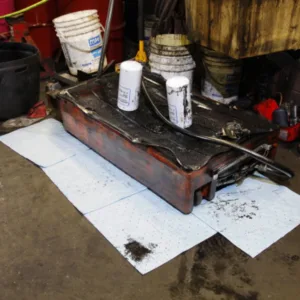
- For daily machine oil drips, place oil absorbent pads under equipment in advance for passive prevention, eliminating frequent repeated cleanup work.
- For narrow gaps between machines or ground seams, fold pads into small strips to fit tight spaces that standard cleaning tools cannot reach.
- Store pads in wall-mounted dispensers near high-risk spill areas to enable instant deployment within 10 seconds during emergencies.
🚗 Auto Repair & Maintenance Sites
- Use medium-weight oil absorbent pads for engine oil, transmission fluid, and diesel spills on garage floors and vehicle surfaces.
- Avoid using pads on overheated oil surfaces (above 60°C). Let the oil cool down first to prevent pad material degradation and safety risks.
⚠️ Common Mistakes When Using Oil Absorbent Pads & Fixes
From auditing hundreds of industrial and commercial facility spill response records, I’ve summarized the most frequent oil absorbent pad usage mistakes that lead to poor cleanup results, material waste, and compliance risks. Correcting these errors is key to maximizing pad performance.
Common Mistake | Negative Impacts | Correct Solution |
|---|---|---|
Dragging or rubbing pads on spill surfaces | Spreads oil residues, expands contamination area, damages the pad fiber structure | Use static placement and light pressing only; lift pads vertically after full absorption |
Using oil pads for chemical or acid spills | Pad material degrades, causing secondary leakage and chemical contamination | Reserve dedicated chemical absorbent pads for all corrosive liquid spills |
Overusing saturated pads repeatedly | Zero residual absorption capacity leads to spill recurrence | Replace pads once fully darkened and saturated; reuse only lightly saturated pads |
Improper outdoor storage of unused pads | Sunlight and moisture damage fiber porosity, reducing absorption speed | Store pads in dry, cool, shaded areas; seal packaging after use |
🔍 How to Choose the Right Oil Absorbent Pads for Better Usage Results
Knowing how to use oil absorbent pads is only half the battle; matching the right pad type to your usage scenario further boosts cleanup efficiency and cost performance. Many users struggle with choosing between standard and high-capacity pads, which directly affects daily spill response effects.
- Standard lightweight oil absorbent pads: Ideal for daily small drips, auto shop routine cleanup, and office mechanical equipment maintenance. They are low-cost, easy to store, and perfect for a basic oil spill kit configuration.
- High-capacity thickened oil absorbent pads: Suitable for industrial factories, marinas, and high-frequency large spill scenarios. With higher oil retention and stronger tear resistance, they adapt to heavy-duty long-term use.
- Antistatic oil absorbent pads: Designed for low-temperature and low-humidity industrial environments, they effectively reduce spark risks during spill cleanup for enhanced operational safety.
✅ Best Practices for Long-Term Oil Absorbent Pad Management
To maintain consistent spill response efficiency and extend pad service life, daily management and standardized usage specifications are essential. These long-term best practices help facilities reduce cleanup costs and maintain long-term environmental compliance.
- Reasonable inventory allocation: Place oil absorbent pads in all high-risk spill areas, including oil storage zones, machine operation zones, and dock edges, ensuring instant access during emergencies.
- Regular inventory inspection: Check pad status monthly, replace discolored, hardened, or damp pads, and maintain complete oil spill kit reserves.
- Staff operation training: Train on-site staff on standardized pad deployment, absorption judgment, and waste disposal methods to unify operational specifications.
- Support combined usage: Match oil absorbent pads with oil absorbent rolls, socks, and booms to form a full-set spill response system for all-size oil spills.
🌍 Authoritative Resources for Oil Spill Cleanup Best Practices
To ensure all oil absorbent pad usage operations comply with international environmental safety standards, you can refer to professional guidelines and technical specifications from authoritative industry institutions. These resources provide a standardized basis for spill response, product selection, and waste disposal:
- U.S. Environmental Protection Agency (EPA): Offers official guidelines for oil spill prevention, emergency response, and hazardous waste disposal, helping businesses meet SPCC compliance requirements and avoid regulatory fines: U.S. Environmental Protection Agency Official Guidelines.
- 3M Oil & Petroleum Sorbents Technical Guide: Provides professional performance parameters, usage limitations, and scenario matching suggestions for oil absorbent products, supporting scientific product selection and standardized operation:3M Industrial Sorbent Technical Specifications.
- NDT.org Absorbents Industry Directory: Aggregates global industrial absorbent product standards and reliable supplier resources, helping users select high-quality compliant spill cleanup tools: NDT Industrial Absorbent Industry Standards.
🔚 Final Thoughts
Mastering how to use oil absorbent pads correctly is a fundamental skill for safe, efficient, and compliant oil spill cleanup in all industrial, commercial, and marine environments. As versatile, cost-effective core spill kit accessories, oil absorbent pads deliver optimal performance only when deployed with standardized steps, scenario-specific skills, and proper post-use management. When paired with complementary products like oil absorbent rolls, socks, pillows, and booms, they form a complete spill response system that minimizes environmental risks, reduces cleanup costs, and helps facilities maintain long-term regulatory compliance. Adhering to field-tested usage best practices and authoritative industry standards ensures every spill response is fast, thorough, and safe.