How to use an oil spill kit for marine/industrial spills is a critical skill for businesses, mariners, and facility managers who handle oil, grease, or chemicals, where even a small spill can cause severe environmental damage and costly legal penalties. Marine and industrial settings (like ports, refineries, manufacturing plants, and vessels) face unique spill risks, from storm-driven leaks to equipment malfunctions. This guide breaks down everything you need to know to use an oil spill kit effectively, safely, and in compliance with regulations, so you can respond quickly to spills and minimize harm.
📌 Why Properly Using an Oil Spill Kit for Marine/Industrial Spills Matters
Marine and industrial spills are unlike household or small-scale leaks—they often involve larger volumes of oil, harsher environments, and stricter regulations. Using an oil spill kit incorrectly can worsen contamination, lead to EPA fines (up to $50,000 per day for non-compliance), and harm delicate marine ecosystems or industrial workspaces. Here’s why mastering oil spill kit usage is non-negotiable:
- Environmental Protection: Marine spills can poison fish, birds, and aquatic plants, while industrial spills can contaminate soil, groundwater, and nearby waterways. A properly used oil spill kit contains spills quickly, preventing toxins from spreading and reducing long-term ecological damage.
- Legal Compliance: Agencies like the EPA (U.S.) and IMO (International Maritime Organization) have strict rules for spill response. Failing to use an oil spill kit correctly can result in heavy fines, legal action, or even business shutdowns.
- Cost Savings: Quick, effective spill cleanup with a properly used kit reduces the cost of remediation, which can run into thousands of dollars for large spills. It also avoids fines and reputational damage that can hurt your business long-term.
- Workplace Safety: Industrial spills can create slip hazards, while marine spills may expose workers to harmful chemicals. Using an oil spill kit correctly keeps employees safe and prevents accidents.
The good news is that using an oil spill kit for marine/industrial spills is straightforward once you understand the components, steps, and best practices. You don’t need advanced training—just a clear understanding of how to respond quickly and correctly.
🔍 First: What’s in an Oil Spill Kit for Marine/Industrial Spills?
Not all oil spill kits are the same—marine and industrial kits are designed to handle harsh conditions (saltwater, heavy machinery, extreme weather) and larger spills. Before you learn how to use one, it’s important to know what components you’ll find inside. Most kits include the following, tailored to marine and industrial needs:
📋 Common Components of a Marine/Industrial Oil Spill Kit
Component | Purpose | Marine/Industrial-Specific Notes |
|---|---|---|
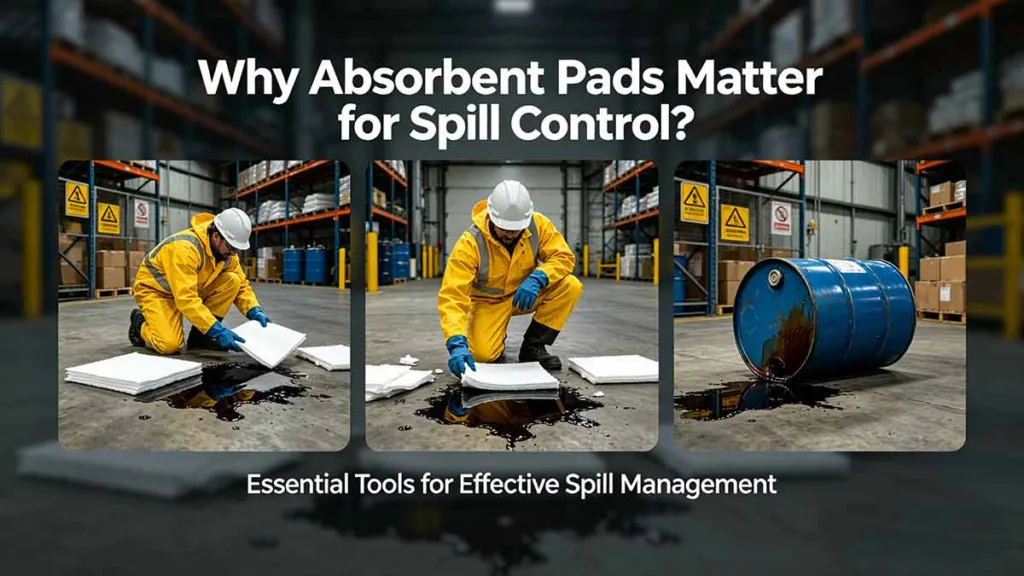
Soak up oil from surfaces (decks, floors, water) | Marine kits use water-resistant pads that float; industrial kits have heavy-duty, chemical-resistant pads for machinery spills. | |
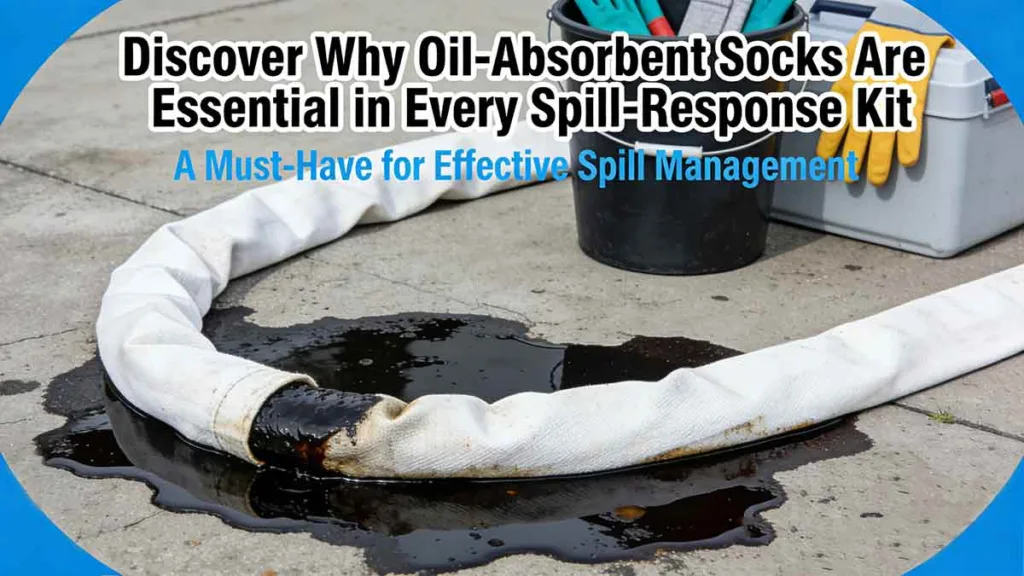
Absorbent Booms/Socks | Contain spills and prevent spreading | Marine booms float and resist saltwater damage; industrial socks are flexible for tight spaces (around machinery, pipes). |
Absorbent Pellets | Absorb large volumes of oil quickly | Industrial kits use high-capacity pellets for heavy spills; marine pellets are non-toxic to aquatic life. |
Protective Gear (Gloves, Goggles, Apron) | Keep workers safe from oil and chemicals | Marine gear is waterproof; industrial gear resists chemicals and sharp objects (e.g., metal shavings). |
Leak-Proof Bags/Containers | Dispose of used absorbents safely | Marine kits have durable, waterproof bags; industrial kits include chemical-resistant containers for hazardous waste. |
Skimmer (Marine Kits Only) | Remove floating oil from water surfaces | Lightweight, portable, and designed to work in rough water conditions. |
MSDS Manual | Guide for handling hazardous materials | Includes steps for specific chemicals and compliance requirements for marine/industrial settings. |
Pro Tip: Always check your kit regularly to ensure components are not expired, damaged, or missing. Marine kits should be stored in a waterproof container, while industrial kits should be kept near high-risk areas (e.g., oil storage tanks, machinery) for quick access.
A common question many people ask is: What’s the difference between a marine and an industrial oil spill kit? Marine kits focus on floating absorbents and water-based spill containment, while industrial kits prioritize chemical resistance and heavy-duty cleanup for factory floors, pipes, and storage areas.
✅ Step-by-Step Guide: How to Use an Oil Spill Kit for Marine/Industrial Spills
Using an oil spill kit for marine/industrial spills follows a simple, four-step process: Assess the Spill, Prepare for Cleanup, Contain & Absorb, and Dispose & Document. Follow these steps to ensure effective, compliant cleanup—whether you’re dealing with a small leak on a ship deck or a larger spill in a manufacturing plant.
⚠️ Step 1: Assess the Spill (Critical First Step)
Before using your oil spill kit, take 1–2 minutes to assess the spill. This helps you choose the right components and avoid mistakes that could worsen the situation. Here’s what to check:
- Size of the Spill: Is it a small leak (less than 1 gallon) or a large spill (more than 5 gallons)? Small spills can be handled with pads and socks; large spills may require additional kits or professional help.
- Type of Oil/Chemical: Is it petroleum-based (motor oil, diesel) or a chemical (solvents, hydraulic fluid)? Some absorbents are designed for specific substances—check the MSDS manual if unsure.
- Location: For marine spills: Is the spill on deck, in the water, or near sensitive areas (e.g., coral reefs, shorelines)? For industrial spills: Is it near machinery, electrical equipment, or water sources?
- Environmental Risks: Are there nearby plants, animals, or waterways that could be harmed? If the spill is near sensitive areas, prioritize containment first.
If the spill is larger than your kit can handle (e.g., more than 10 gallons) or involves hazardous chemicals (e.g., acids, fuels), stop and call a professional spill response team immediately. Never attempt to clean up a spill beyond your kit’s capacity.
🛡️ Step 2: Prepare for Cleanup (Stay Safe!)
Safety is key when using an oil spill kit—especially in marine and industrial settings, where spills may involve slippery surfaces or harmful chemicals. Follow these steps to prepare:
- Put on Protective Gear: Wear the gloves, goggles, and apron from your kit. For industrial spills involving chemicals, use chemical-resistant gloves; for marine spills, use waterproof gloves to avoid saltwater irritation.
- Secure the Area: For industrial spills, block off the area with cones or tape to prevent workers from slipping. For marine spills, move non-essential personnel away from the spill to avoid accidents.
- Gather Your Kit Components: Lay out the absorbents, containment tools, and disposal bags near the spill—this saves time and ensures you have everything you need within reach. For marine water spills, prepare the skimmer (if included) and floating booms.
- Check the Weather (Marine Only): If working on water, avoid cleanup during heavy winds or rough seas—this can spread the spill and put workers at risk. Wait for calmer conditions if possible.
🔒 Step 3: Contain & Absorb the Spill (The Core Process)
This step is where you’ll use the main components of your oil spill kit. The order of operations depends on whether the spill is on a surface (deck, floor) or in water (marine settings). Follow the guidelines below for each scenario:
🌊 For Marine Spills (Water or Deck)
- Contain the Spill First: If the spill is in the water, deploy floating absorbent booms around the spill to prevent it from spreading to shorelines or sensitive areas. Connect the booms securely (using hooks or ties) to form a barrier. For deck spills, use absorbent socks to create a perimeter around the spill.
- Skim Floating Oil (If Applicable): Use the skimmer from your kit to remove large globs of floating oil from the water. This reduces the amount of oil you’ll need to absorb with pads or pellets.
- Absorb Remaining Oil: Place floating absorbent pads on the water’s surface—they will float and soak up the remaining oil. For deck spills, lay absorbent pads directly on the spill, pressing down gently to ensure full contact. Use absorbent pellets for large, spread-out spills—sprinkle them over the oil and let them sit for 5–10 minutes to absorb fully.
- Clean Up Residue: Use small absorbent pads or rags to wipe up any remaining oil residue on decks or equipment. For water spills, check the boom area for any missed oil and add additional pads if needed.
🏭 For Industrial Spills (Floors, Machinery, Pipes)
- Stop the Source (If Possible): If the spill is from a leaking pipe or tank, turn off the valve or plug the leak (if safe to do so) before cleaning up. This prevents more oil from spilling while you work.
- Contain the Spill: Use absorbent socks to form a barrier around the spill, especially if it’s near drains or water sources. This prevents the oil from seeping into groundwater or sewer systems.
- Absorb the Oil: Lay heavy-duty absorbent pads over the spill, covering the entire area. For spills under machinery, use absorbent socks to reach tight spaces. For large spills, sprinkle absorbent pellets and let them sit for 5–10 minutes, then sweep them up with a broom or shovel.
- Clean Machinery: Use a small absorbent pad or rag to wipe oil off machinery surfaces—this prevents slips and protects equipment from damage. Avoid using water, as it can spread the oil or cause electrical hazards.
Pro Tip: Don’t overuse absorbents—using more than needed wastes supplies and increases disposal costs. A single absorbent pad can soak up 10–20 times its weight in oil, so start with a few and add more if necessary.
🗑️ Step 4: Dispose of Waste & Document the Spill
Proper disposal is just as important as cleanup—especially for marine and industrial spills, where used absorbents may be considered hazardous waste. Follow these steps to dispose of waste safely and stay compliant:
- Collect Used Absorbents: Pick up used pads, socks, and pellets and place them in the leak-proof bags or containers from your kit. Seal the bags tightly to prevent oil from leaking during transport. Label the bags “Used Oil-Absorbent Materials” for clarity.
- Dispose of Hazardous Waste: Contact a licensed hazardous waste disposal company to pick up the used absorbents. Do not throw them in regular trash—this is illegal and harmful to the environment. For marine spills, check local regulations for disposing of waste at sea (most areas prohibit dumping used absorbents overboard).
- Clean Your Kit: After cleanup, restock your oil spill kit with new components. Check for any damage to the kit container (especially marine kits, which may be exposed to saltwater) and replace if needed.
- Document the Spill: Record details about the spill (date, time, location, size, type of oil, cleanup steps taken) in a logbook. This documentation is required for compliance with EPA and IMO regulations and can help you identify spill risks in the future.
❌ Common Mistakes When Using an Oil Spill Kit for Marine/Industrial Spills
Even with the best intentions, many people make mistakes when using an oil spill kit—mistakes that can worsen contamination, lead to fines, or put workers at risk. Here are the most common mistakes to avoid:
- Mistake 1: Not Assessing the Spill First: Jumping into cleanup without assessing the spill size or chemical type can lead to using the wrong absorbents (e.g., using oil-only pads for chemical spills), which is ineffective and dangerous.
- Mistake 2: Forgetting Protective Gear: Skipping gloves or goggles can lead to skin irritation, chemical burns, or slips—especially in industrial settings with harsh chemicals or marine settings with slippery decks.
- Mistake 3: Not Containing the Spill First: Absorbing oil before containing it allows the spill to spread, making cleanup harder and increasing environmental damage. Always contain first, then absorb.
- Mistake 4: Using Expired or Damaged Components: Old absorbents lose their effectiveness—check your kit regularly to ensure pads, socks, and pellets are in good condition. Marine kits may degrade faster due to saltwater exposure.
- Mistake 5: Improper Disposal of Used Absorbents: Throwing used absorbents in regular trash or dumping them overboard (marine) is illegal and harmful. Always use a licensed disposal company.
- Mistake 6: Overlooking Small Spills: Even small leaks can turn into large spills if not cleaned up quickly. Don’t ignore small spills—use your kit to clean them up immediately to prevent spread.
By avoiding these mistakes, you can ensure your oil spill cleanup is effective, safe, and compliant. Remember: a little preparation goes a long way in preventing costly errors.
🌊 Marine-Specific Tips for Using an Oil Spill Kit
Marine spills present unique challenges—saltwater, wind, and sensitive ecosystems require extra care. Here are tips tailored to marine settings to help you use your oil spill kit effectively:
- Store Kits in Accessible Locations: On ships or docks, store oil spill kits near high-risk areas (e.g., fuel tanks, loading docks) and in waterproof containers to protect them from saltwater and weather. Make sure all crew members know where the kits are stored.
- Use Floating Absorbents: Always use floating booms and pads for water spills—regular absorbents will sink and spread the oil further. Look for marine-grade absorbents that resist saltwater damage and are non-toxic to aquatic life.
- Coordinate with Local Authorities: For marine spills near shorelines or sensitive areas (e.g., beaches, coral reefs), notify local maritime authorities (e.g., Coast Guard) before starting cleanup. They may provide additional support or guidance.
- Train Crew Members: Ensure all crew members know how to use the oil spill kit—hold regular drills to practice spill response. This ensures quick action in an emergency, which is critical for marine spills that can spread rapidly in wind or currents.
🏭 Industrial-Specific Tips for Using an Oil Spill Kit
Industrial settings (e.g., factories, refineries, warehouses) have their own set of challenges—heavy machinery, chemical spills, and large workspaces. Here are tips to streamline cleanup and stay safe:
- Place Kits Near High-Risk Areas: Store oil spill kits near oil storage tanks, machinery, and loading docks—this reduces response time. For large facilities, place multiple kits in different areas to ensure quick access.
- Use Chemical-Resistant Components: For industrial spills involving chemicals (e.g., solvents, hydraulic fluid), use chemical-resistant absorbents and protective gear. Oil-only absorbents won’t work for chemical spills and may react dangerously with some substances.
- Prevent Spills Proactively: Use absorbent mats under machinery to catch small leaks before they become large spills. This reduces the need for emergency cleanup and saves time and money.
- Train Employees Regularly: Train all employees on how to use the oil spill kit, especially those working with oil or chemicals. Hold quarterly drills to practice spill response and ensure everyone knows the steps.
🔧 How to Choose the Right Oil Spill Kit for Marine/Industrial Spills
Using the right oil spill kit is just as important as using it correctly. The wrong kit will be ineffective and may put you at risk of non-compliance. Here’s how to choose the right kit for your marine or industrial needs:
Setting | Key Kit Features | Recommended Size |
|---|---|---|
Small Marine Vessels (e.g., fishing boats, yachts) | Floating booms, waterproof absorbent pads, skimmer, compact storage container | 10–20 gallon capacity |
Large Marine Vessels (e.g., cargo ships, tankers) | Heavy-duty floating booms, high-capacity absorbents, multiple skimmers, and hazardous waste disposal bags | 50–100 gallon capacity |
Small Industrial Facilities (e.g., auto shops, small factories) | Chemical-resistant absorbents, socks, protective gear, leak-proof containers | 20–50 gallon capacity |
Large Industrial Facilities (e.g., refineries, manufacturing plants) | Heavy-duty absorbents, multiple containment socks/booms, chemical-resistant gear, spill response carts | 100+ gallon capacity |
Pro Tip: Look for kits that are certified by environmental agencies (e.g., EPA, IMO) to ensure compliance. For industrial settings, choose kits that meet OSHA safety standards; for marine settings, choose kits that meet maritime safety regulations.
📞 Final Thoughts: How to Use an Oil Spill Kit for Marine/Industrial Spills
Knowing how to use an oil spill kit for marine/industrial spills is a critical skill that protects the environment, keeps workers safe, and ensures compliance with strict regulations. By following the four-step process—Assess, Prepare, Contain & Absorb, Dispose & Document—you can respond quickly and effectively to any spill, whether it’s a small leak on a ship deck or a larger spill in an industrial facility.
Remember to avoid common mistakes, choose the right kit for your setting, and train your team regularly. A well-prepared response can mean the difference between a minor cleanup and a costly, environmentally damaging disaster.
If you’re unsure which oil spill kit is right for your marine or industrial needs, or if you need guidance on proper usage, don’t hesitate to reach out to a trusted provider of oil spill response products. We’re here to help you stay compliant, protect the environment, and handle spills with confidence. Mastering how to use an oil spill kit for marine/industrial spills is an investment in your business, your team, and the planet.