Learning how do you dispose of oil absorbent pads properly is essential for industrial facility safety, environmental compliance, and risk reduction. Most factory managers and site supervisors overlook standardized disposal steps for used oil absorbent pads, leading to illegal waste dumping penalties, secondary oil pollution, and hidden fire hazards. With years of on-site industrial spill management experience and compliance audit practice, I have sorted out fully EPA-aligned, user-friendly disposal workflows suitable for small workshops and large manufacturing plants alike.
🛢️ Why Proper Oil Absorbent Pad Disposal Is Non-Negotiable for Industrial Sites
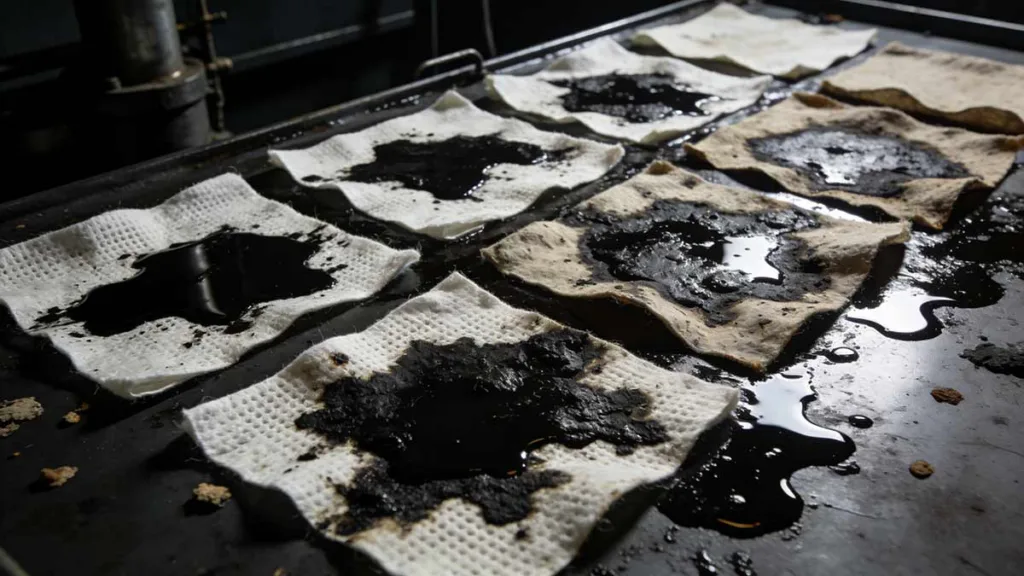
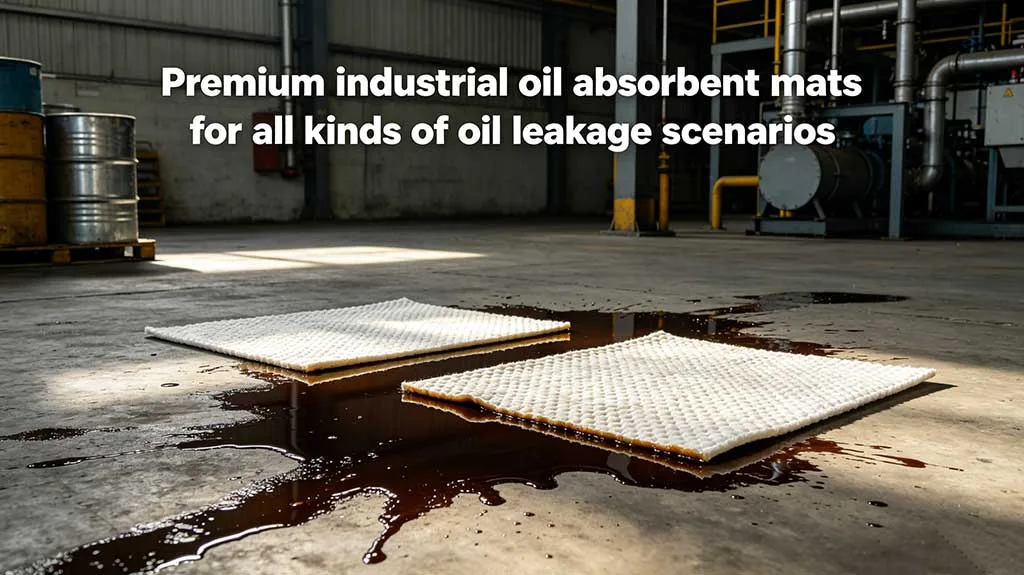
Many industrial teams treat used oil absorbent pads as ordinary trash, which is the most common compliance mistake in daily spill cleanup. Unlike regular cleaning cloths, professional oil absorbent pads are made of hydrophobic polypropylene fibers that lock hydrocarbon oils tightly. Improper disposal will trigger multiple safety and regulatory risks that directly affect factory operation.
Based on real industrial compliance inspection experience, unregulated disposal of oil absorbent pads mainly causes three critical problems:
- Environmental contamination risks: Discarded oil-soaked pads leak residual oil into soil and groundwater, triggering long-term ecological pollution and mandatory environmental rectification
- Fire and explosion hazards: Saturated oil absorbent pads accumulate flammable hydrocarbon substances, which can ignite spontaneously under high temperature or closed storage conditions
- Regulatory penalty losses: Violating EPA hazardous waste and RCRA management rules may lead to tens of thousands of dollars in fines for industrial facilities
A key user question here is, are oil absorbent pads hazardous waste? The answer depends entirely on the adsorbed substances and residual free liquid status, rather than the pad itself. Clean, unused oil absorbent pads are non-hazardous, while oil-saturated pads require targeted classification and disposal.
📋 EPA Compliance Rules for Oil Absorbent Pad Disposal
All industrial oil absorbent pad disposal operations must follow U.S. EPA and RCRA (Resource Conservation and Recovery Act) standards, which unify the classification, storage, and disposal criteria for oil-contaminated absorbent materials. Mastering these core rules is the premise of compliant waste management.
✅ Core EPA Classification Standards
The EPA clearly divides used oil absorbent pads into two categories to define disposal methods, eliminating blind disposal confusion for factory users:
- Non-hazardous used pads: Pads only adsorbed conventional industrial oils (diesel, motor oil, paraffin) with no free-flowing liquid, no corrosive or toxic chemical residues
- Hazardous used pads: Pads contaminated with strong acid, alkali, toxic solvents, benzene series, or reactive chemicals; pads with residual free-flowing oil liquid
✅ Key Regulatory Restrictions
According to EPA industrial waste management specifications, landfilling absorbents with free-flowing oil liquid is strictly prohibited. All oil-contaminated pads must undergo liquid removal and sealed storage before final disposal to prevent secondary leakage.
🔍 Step-by-Step Guide: How Do You Dispose of Oil Absorbent Pads Correctly
Combined with on-site industrial spill disposal experience and EPA official guidelines, the complete oil absorbent pad disposal process is divided into four standardized steps, suitable for all manufacturing, mechanical processing, and petrochemical factories. This workflow avoids missed operations and compliance errors.
1. On-Site Sorting & Free Liquid Removal
The first step of disposal is accurate sorting, which determines the subsequent waste treatment method. Many users ask can you throw away oil absorbent pads directly, and the answer is absolutely no before completing liquid removal and classification.
- Separate used oil absorbent pads from chemical absorbent pads and ordinary cleaning materials to avoid cross-contamination
- Squeeze out residual free-flowing oil from saturated pads manually or with simple tools (no excessive extrusion to prevent oil splashing)
- Recover the separated free oil into sealed oil storage barrels for centralized recycling or professional disposal
2. Sealed Classification Storage
Temporary storage is the most overlooked link in oil absorbent pad disposal. Unsealed stacking will cause oil volatilization, cross-contamination, and fire risks. Different types of used pads need independent sealed storage:
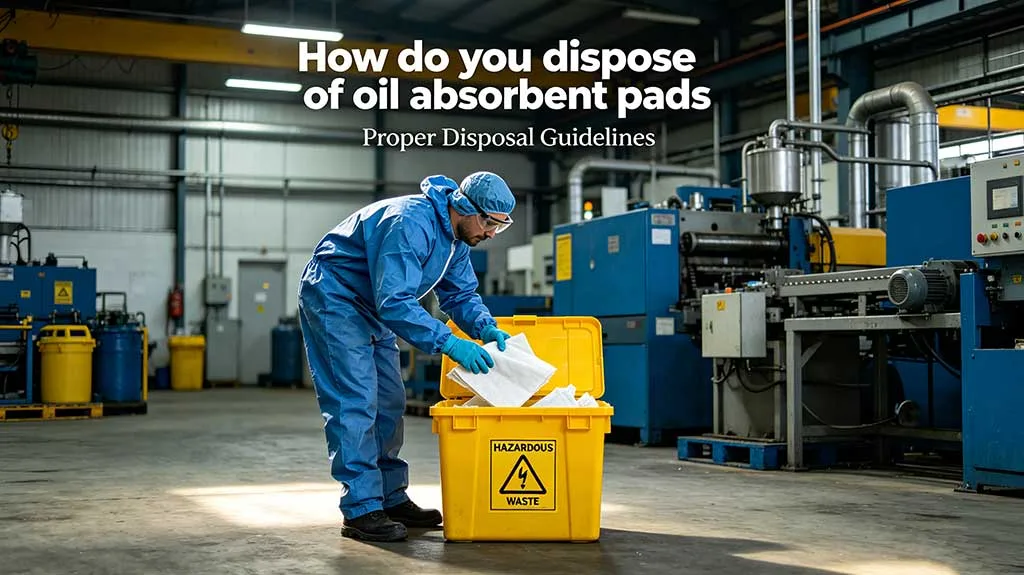
- Non-hazardous oil pads: Place in dedicated thickened waterproof waste bags, squeeze out internal air, and seal tightly; store in dry, ventilated, low-temperature areas away from fire sources
- Hazardous contaminated pads: Store in labeled closed hazardous waste containers, mark clear information including waste type, production date, and hazard level
Real-site experience reminder: Do not stack used oil absorbent pads in humid environments or direct sunlight, which will accelerate fiber aging and cause residual oil leakage.
3. Confirm Local Disposal Regulations
While federal EPA standards provide unified guidelines, state and local environmental departments have supplementary management rules. Some regions allow non-hazardous oil pads to enter designated landfills, while others require unified recycling by professional institutions.
- Check local environmental bureau official announcements for industrial absorbent waste disposal requirements
- Confirm whether local waste management companies accept oil-contaminated absorbent materials
- Reserve relevant disposal certificates and records for factory compliance inspection
4. Final Centralized Disposal
Complete the final disposal according to classification results and local regulations to ensure full compliance:
- Non-hazardous oil absorbent pads: Deliver to authorized industrial solid waste landfills or professional waste disposal companies for centralized treatment
- Hazardous contaminated pads: Entrust licensed hazardous waste disposal institutions for professional incineration or harmless treatment, retain complete disposal manifests
📊 Oil Absorbent Pad Disposal Method Comparison Table
To help users quickly match disposal solutions and improve on-site operation efficiency, I sorted out a comparative table of disposal methods for different types of used oil absorbent pads, covering applicable scenarios, operation points, and compliance requirements:
Pad Contamination Type | Applicable Disposal Method | Key Operation Notes | Compliance Standard |
|---|---|---|---|
Conventional oil-contaminated (diesel, motor oil) | Solid waste landfill / professional recycling | Remove free oil, sealed packaging | EPA general industrial waste standard |
Chemical-contaminated (acid, alkali, toxic solvent) | Licensed hazardous waste disposal | Independent hazardous container storage, complete labeling | RCRA hazardous waste management rules |
Residual free-flowing oil | Oil recovery + waste centralized treatment | Complete liquid removal before disposal | EPA free liquid prohibition regulation |
Unused clean pads | Ordinary industrial waste disposal or reuse | Avoid mixing with contaminated waste | General industrial waste specification |
⚠️ Common Oil Absorbent Pad Disposal Mistakes to Avoid
In daily factory operations, many disposal errors lead to compliance risks and safety hazards. Summarized from 5 years of factory compliance rectification experience, these four mistakes are the most frequent and must be avoided:
- Mixed disposal of different contaminated pads: Mixing oil-contaminated pads with chemical-contaminated pads will upgrade ordinary waste to hazardous waste, increasing disposal costs and compliance risks
- Random discarding of saturated pads: Throwing used pads into ordinary domestic trash cans or outdoor ground violates industrial environmental protection regulations and causes soil pollution
- Reuse of fully saturated pads: Saturated oil absorbent pads completely lose oil-locking ability, and secondary use will cause oil leakage and cross-contamination
- Unsealed long-term storage: Long-term open placement of used pads leads to oil volatilization, flammable gas accumulation, and spontaneous combustion risks
💡 Practical Tips to Reduce Oil Absorbent Pad Waste & Disposal Costs
Standard disposal ensures compliance, while optimized usage can effectively reduce waste generation and lower long-term factory operation costs. Combined with product testing and on-site usage experience, these practical tips are suitable for all industrial users:
- Select high-absorption industrial-grade pads: High-capacity oil absorbent pads reduce single-use consumption and waste generation by absorbing more oil per unit product
- Classified usage by scenario: Use dedicated oil absorbent pads for conventional oil spills and chemical absorbent pads for corrosive liquid leaks to avoid overall waste upgrading
- Timely replacement before full saturation: Replace pads when they reach 80% saturation to avoid free oil leakage and reduce subsequent disposal difficulty
- Standardize daily storage: Store unused pads in dry and cool environments to prevent fiber performance degradation caused by moisture and sunlight exposure
📌 Final Conclusion
Knowing how to dispose of oil absorbent pads in EPA-compliant ways is a basic requirement for industrial environmental compliance and safety management. The core of standardized disposal lies in accurate hazard classification, thorough free liquid removal, sealed temporary storage, and classified centralized treatment. Avoiding common disposal mistakes and matching scenario-based usage methods can not only eliminate environmental penalty risks and safety hazards but also effectively reduce factory waste disposal costs. Reasonable selection and standardized use of high-quality oil absorbent pads can further optimize the entire industrial spill cleanup and waste management process for manufacturing facilities.
🔗 Authoritative Reference Resources
To ensure long-term compliant oil absorbent pad disposal, industrial users can refer to official authoritative guidelines for regular process optimization and rule updates:
You can check the latest industrial absorbent waste management rules and EPA compliance requirements through the U.S. EPA official used oil management guidelines, which provide standardized classification and disposal standards for all oil-contaminated industrial absorbent materials.
For professional absorbent product performance and scenario matching specifications, refer to the 3M petroleum sorbents technical bulletin to select high-quality, low-waste oil absorbent pads suitable for industrial scenarios.
You can also view detailed hazardous waste disposal operation specifications via LegalClarity’s hazardous waste management guidelines to avoid RCRA regulation violations.