🌧️ What Are Polypropylene Absorbent Socks for Stormwater Protection
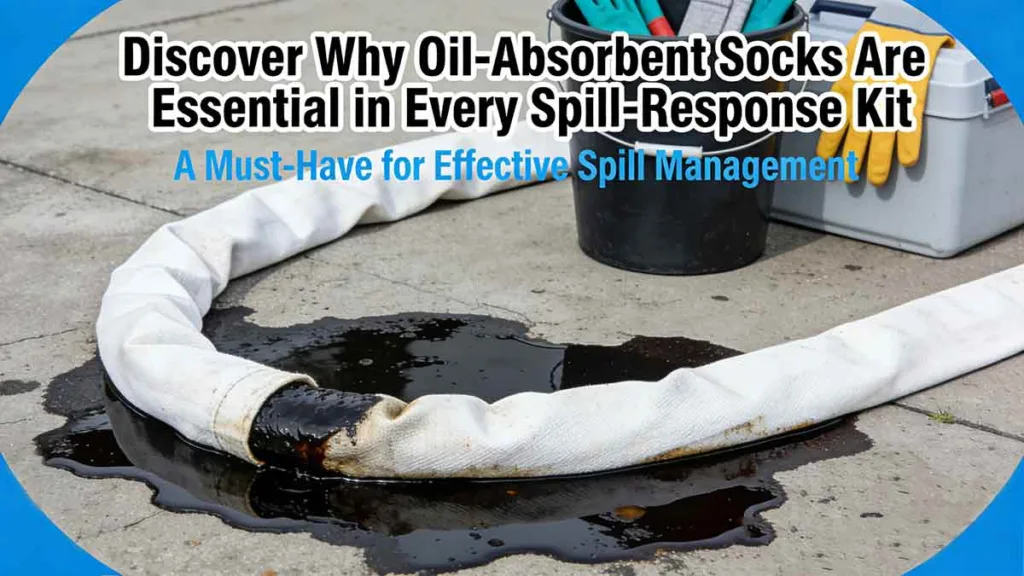
Polypropylene absorbent socks for stormwater protection are flexible, cylindrical spill containment tools engineered for industrial and commercial site runoff management. Filled with high-density polypropylene fibers, these durable socks balance effective filtration and targeted absorption to tackle common stormwater pollutants.
Unlike generic absorbent tools, professional polypropylene socks feature water-repellent and oil-adsorbent properties. They allow clean rainwater to pass through while trapping harmful contaminants, making them ideal for long-term stormwater management across manufacturing, construction, and logistics facilities.
These socks come in customizable lengths and diameters, enabling flexible deployment on irregular surfaces. They fill critical gaps in traditional stormwater protection systems that often fail to capture scattered runoff pollutants effectively.
⚠️ Hidden Stormwater Risks for Industrial & Commercial Facilities
Most facility operators overlook stormwater runoff as a major compliance and environmental hazard. Rainwater sweeping across industrial sites easily picks up invisible pollutants that trigger regulatory violations and ecological damage.
Common Stormwater Pollutants on Industrial Sites
- Petroleum contaminants: Machinery oil, hydraulic fluid, diesel, and gasoline residues from parking lots and equipment zones
- Chemical residues: Diluted hazmat liquids, cleaning agents, and processing chemical traces from production areas
- Sediment & debris: Construction dust, metal shavings, and workshop waste that cloud local water systems
Uncontrolled stormwater runoff carries these pollutants into public storm drains, rivers, and groundwater. This not only destroys aquatic ecosystems but also violates federal and state environmental regulations, leading to unplanned fines and operational disruptions.
✅ Key Benefits of Polypropylene Absorbent Socks for Stormwater Protection
Industrial-grade polypropylene absorbent socks stand out from ordinary sediment control products with multi-functional advantages tailored for facility compliance needs. Their unique design solves core pain points of traditional stormwater management tools.
Core Functional Advantages
- Dual containment & absorption: Forms a continuous physical barrier to block runoff spread while absorbing oil and chemical pollutants, achieving dual pollution control
- Superior flexibility & adaptability: Bends freely to fit storm drain perimeters, curved slopes, and irregular facility corners with no coverage blind spots
- Weather-resistant durability: Polypropylene material resists UV rays, corrosion, and moisture damage, maintaining stable performance in long-term outdoor exposure
- Zero operational disruption: Lightweight and tool-free deployment requires no complex construction, avoiding downtime for production facilities
Compliance & Cost Benefits
- Regulatory compliance guarantee: Aligns with EPA stormwater management standards and OSHA on-site safety requirements to avoid non-compliance penalties
- Cost-effective maintenance: Reusable after simple cleaning (for non-hazardous pollutants) and easy replacement when saturated, cutting long-term environmental management costs
- Rapid emergency response: Can be deployed instantly during sudden rainstorms or minor spills to prevent pollutant diffusion
📝 Step-by-Step Guide to Deploy Absorbent Socks for Stormwater Protection
Correct deployment is the key to maximizing the performance of absorbent socks for stormwater protection. Improper placement leads to incomplete pollutant capture and wasted product value. Follow this standardized workflow for optimal results.
1. Conduct On-Site Runoff Risk Assessment
First, identify high-risk runoff zones across your facility. Focus on loading docks, mechanical equipment areas, chemical storage zones, parking lots, and low-lying slopes where rainwater accumulates easily.
Classify potential pollutants (oil-only, universal mixed fluids, or hazardous chemicals) to select matched polypropylene absorbent sock types, avoiding mismatched product failure.
2. Select Suitable Absorbent Sock Specifications
Match sock length and diameter based on the coverage area and pollutant severity. Narrow-diameter socks fit tight drain gaps, while large-diameter options suit high-volume runoff zones.
Choose professional grades according to usage scenarios: oil-only polypropylene socks for petroleum pollution, hazmat-grade socks for chemical runoff, and universal socks for mixed daily pollutants.
3. Pre-Process the Deployment Site
Clear surface debris, stones, and uneven obstacles from the placement area. Level the ground slightly to ensure the absorbent socks fit closely with the ground surface.
A tight fit eliminates gaps that allow small-volume runoff and fine sediment to escape, ensuring full containment coverage.
4. Lay Continuous Absorbent Sock Barriers
Lay the prepared socks along the perimeter of runoff zones, storm drain openings, and slope edges. Connect socks end-to-end tightly to form an uninterrupted protective barrier.
For sloped sites, place socks in parallel rows from high to low terrain to slow runoff velocity and enhance pollutant absorption efficiency.
5. Real-Time Monitoring & Timely Replacement
Inspect absorbent socks during and after rain events. Saturated socks lose absorption capacity and must be replaced immediately to prevent secondary pollution.
Establish a regular inspection log for daily stormwater management to ensure continuous protection of facility runoff systems.
6. Standard Post-Use Disposal
Dispose of used socks strictly in accordance with local environmental regulations. Socks contaminated with hazardous chemicals require professional, classified disposal to avoid ecological secondary damage.
💡 Professional Best Practices for Maximum Stormwater Protection Efficiency
Single absorbent sock deployment can handle basic stormwater risks, while layered collaborative solutions achieve full-scene, zero-dead-angle protection for industrial facilities.
- Build layered containment systems: Combine polypropylene absorbent socks with absorbent mats and containment booms to form multi-level intercept structures for different runoff volumes
- Match with site transformation measures: Cooperate with diversion trenches and berms to guide stormwater flow, reducing runoff impact and improving soil filtration efficiency
- Reserve emergency inventory: Store a sufficient number of absorbent socks on-site to respond to sudden heavy rains and accidental leakage incidents quickly
- Standardize staff training: Train on-site safety personnel on sock deployment, inspection, and replacement specifications to standardize daily stormwater management
📊 Polypropylene Absorbent Sock Types & Stormwater Application Scenarios
Different types of industrial polypropylene absorbent socks target distinct stormwater pollution scenarios. Selecting matched products is critical to compliant and efficient runoff management.
Sock Type | Core Features | Applicable Stormwater Scenarios |
|---|---|---|
Oil-Only Polypropylene Socks | Hydrophobic, absorbs all petroleum fluids, repels clean water, durable outdoors | Parking lots, machinery workshops, diesel storage areas |
Hazmat Chemical Socks | Corrosion-resistant, absorbs acid, alkali, and solvent liquids, non-decomposable | Chemical workshops, reagent storage zones, and industrial processing areas |
High absorbency for mixed fluids, flexible, and cost-effective | Factory perimeters, loading docks, and general runoff zones |
🔍 Why Industrial-Grade Polypropylene Socks Outperform Ordinary Stormwater Tools
Many facilities choose low-cost ordinary sediment socks but fail compliance inspections. The core gap lies in material quality and industrial applicability, which determines stormwater protection effectiveness and regulatory compliance.
- Professional material performance: Industrial polypropylene fibers have stable absorption performance, no fiber shedding, and no secondary pollution, meeting EPA environmental standards
- Strict industrial specifications: Produced in accordance with OSHA workplace safety guidelines, suitable for long-term on-site industrial operation scenarios
- Customized industrial solutions: Supports personalized size and functional customization to adapt to the unique runoff risks of different manufacturing facilities
- Long service life: Resists extreme weather erosion, avoiding frequent replacement caused by aging and damage of ordinary products
📎 Authoritative Regulatory Resources for Stormwater Compliance
To ensure long-term standardized stormwater management, industrial facilities can refer to official U.S. environmental and safety regulations to optimize absorbent sock deployment strategies and meet compliance requirements.
EPA Official Guidelines provide core stormwater pollution prevention rules for industrial facilities, helping enterprises standardize runoff containment measures and avoid ecological violation penalties.
OSHA Oil Spill Preparedness Standards clarify on-site emergency containment specifications for petroleum and fluid runoff, guiding the compliant use of oil-only polypropylene absorbent socks.
🎯 Conclusion
Effective stormwater protection is an indispensable part of industrial facility environmental compliance and sustainable operation. Absorbent socks for stormwater protection serve as a simple, efficient, and cost-effective core solution to solve industrial runoff pollution risks.
Professional polypropylene absorbent socks surpass traditional stormwater management tools in flexibility, durability, and compliance. Scientific deployment, regular maintenance, and matched product selection can completely eliminate most stormwater-related legal and environmental risks for facilities.
By upgrading to industrial-grade polypropylene stormwater containment solutions, facilities can maintain long-term regulatory compliance, protect local water ecosystems, and achieve safe and stable operational development. Reach out to our team to customize targeted absorbent sock solutions for your facility’s unique stormwater management needs.