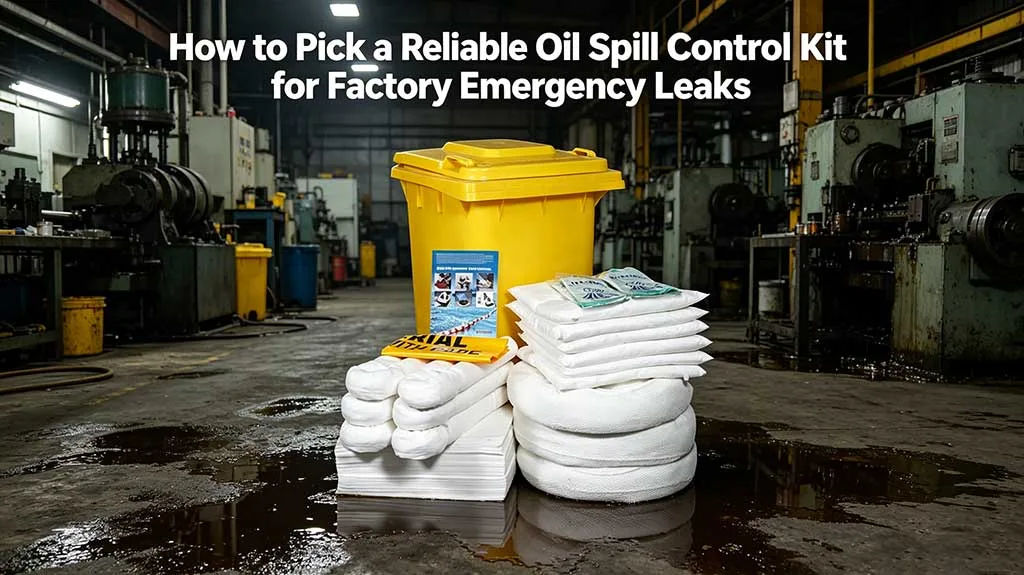
🛡️ Why Polypropylene Sorbent Rolls Are Essential for Modern Manufacturing Spill Prevention
Polypropylene sorbent rolls serve as versatile, high-performance solutions for manufacturing spill prevention, addressing the persistent leak and fluid spill risks that plague industrial facilities of all sizes. Most manufacturing safety and compliance issues stem from overlooked minor drips, accumulated fluid residues, and unmanaged small-scale spills, rather than infrequent large accidents.
Traditional reactive spill cleanup only resolves existing messes, failing to eliminate hidden hazards at the source. Proactive protection with polypropylene sorbent rolls transforms facility safety management, stopping leaks and spills before they trigger accidents, equipment damage, or regulatory violations.
Uncontrolled industrial spills lead to a chain of costly operational and safety issues:
- Slippery floor surfaces cause frequent slip-and-fall workplace injuries
- Persistent fluid corrosion that shortens industrial machinery service life
- Unplanned production downtime for spill cleaning and site restoration
- Non-compliance penalties for violating federal workplace and environmental safety standards
- Cross-contamination of raw materials, finished products, and warehouse inventory
Many facility managers wonder what makes polypropylene sorbent rolls better than ordinary absorbent materials for daily industrial risk prevention. Unlike disposable pads or rigid containment tools, these rolls deliver flexible, long-lasting, and customizable protection tailored to dynamic manufacturing environments.
📌 Key Types of Polypropylene Sorbent Rolls & Core Functional Advantages
Industrial manufacturing involves diverse fluid types, including petroleum oils, coolants, mixed industrial liquids, and corrosive chemicals. Generic absorbent products often fail to adapt to different scenarios, leading to poor absorption effects and secondary safety risks.
Professional polypropylene sorbent rolls are categorized into three targeted types, each engineered for specific industrial fluid control needs, ensuring precise and efficient spill prevention.
Sorbent Roll Type | Core Functional Features | Applicable Industrial Fluids |
|---|---|---|
Oil-Only Polypropylene Rolls | Repels clean water while fully absorbing all petroleum-based fluids; avoids saturation in wet working environments | Machine lubricants, hydraulic oil, diesel, gasoline, cutting oil |
Universal Polypropylene Rolls | Balanced high absorbency for mixed fluids; suitable for daily multi-scene spill interception | Coolants, water-based solutions, general industrial oils, mixed workshop fluids |
Hazmat Chemical Polypropylene Rolls | Resists corrosion from harsh chemicals; stable structure without decomposition or leakage | Acids, alkalis, solvents, paint chemicals, and unknown hazardous industrial liquids |
A key advantage of custom polypropylene sorbent rolls is their flexible sizing. Facilities can cut rolls into small sections for narrow workstations or deploy full rolls for large-area coverage, eliminating blind spots in spill prevention.
⚙️ 7 Practical Real-Life Use Cases for Polypropylene Sorbent Rolls in Manufacturing
The value of OSHA EPA-compliant sorbent rolls is fully reflected in daily facility operation scenarios. Targeted deployment in high-risk areas forms a comprehensive proactive spill control system, minimizing hidden hazards throughout production and maintenance workflows.
1. Under Industrial Machinery & CNC Equipment
Continuous machinery operation involves lubrication and coolant circulation, resulting in unavoidable minor drips and overspray. Long-term fluid accumulation around machine bases causes floor corrosion and slip risks.
Laying custom-cut polypropylene sorbent rolls under equipment creates a permanent protective liner. The dimpled layered structure traps fluids instantly, preventing surface pooling and maintaining dry, clean machine zones.
2. Assembly Line Perimeter Walkways
Automotive, mechanical, and electronic assembly lines generate constant fluid drips during part lubrication and processing. Foot traffic and forklift movement spread slippery fluids across walkways, expanding safety hazards.
Wide-width universal sorbent rolls laid along line perimeters form a continuous absorbent barrier. They intercept stray fluids before they reach walking areas, reducing cleaning workload and stabilizing on-site safety.
3. Maintenance & Equipment Repair Zones
Routine oil changes, fluid replacement, and emergency equipment repairs carry temporary high spill risks. Traditional bulky containment tools are inconvenient for rapid deployment and cleanup.
Workers roll out oil-only or universal sorbent rolls to form temporary spill mats before maintenance work. The flexible material adapts to any ground area, containing accidental splashes and simplifying post-job disposal.
4. Chemical & Solvent Storage Areas
Chemical manufacturing and paint production facilities store large volumes of corrosive solvents and chemical agents. Slow drips from drum spouts and minor container leaks are common hidden hazards.
Hazmat polypropylene sorbent rolls installed under storage pallets and rack bases resist chemical corrosion. They capture leaked hazardous liquids in real time, preventing floor damage, fire risks, and environmental contamination.
5. Workbenches & Processing Workstations
Metal fabrication, tool cleaning, and precision processing workstations face frequent small fluid spills. Unaddressed grease and solvent residues degrade workbench surfaces and affect product processing quality.
Custom-sized sorbent roll sections act as protective bench liners. They absorb scattered liquids, protect workstation surfaces, and keep operating environments tidy for precise processing work.
6. Facility Entryways & High-Traffic Transition Zones
In rainy and humid seasons, forklift tires and staff footwear carry external moisture and residual oil into factories. Traditional floor mats quickly saturate and fail to block fluid spread.
High-absorbency universal polypropylene sorbent rolls at entry points intercept incoming moisture and oil residues. They withstand high-frequency traffic and easy replacement, maintaining overall facility cleanliness.
7. Emergency Spill Response Control
Sudden container damage and fluid leakage incidents can release large volumes of industrial liquids, threatening production continuity and environmental safety. On-site staff can rapidly unroll large sorbent roll sections to surround spill areas. This quickly contains fluid spread, prevents pollutants from entering sewer systems, and supports fast, dust-free cleanup compared to granular absorbents.
✅ Core Benefits of Polypropylene Sorbent Rolls for Industrial Facilities
Deploying custom polypropylene sorbent rolls for factories delivers multi-dimensional value for facility safety, operational efficiency, and compliance management, far exceeding traditional spill control methods.
- Unmatched Versatility: Adaptable for floor laying, bench lining, temporary containment, and emergency interception to meet diverse industrial scenarios
- Cost-Efficient Operation: Custom cutting eliminates material waste; proactive prevention avoids costly spill accidents and penalty losses
- Full Regulatory Compliance: Aligns with OSHA workplace safety and EPA environmental protection requirements to avoid compliance risks
- High Operational Efficiency: Lightweight and flexible for fast deployment and replacement, reducing manual cleaning and maintenance workload
- Sustainable Site Safety: 24/7 continuous hazard interception keeps facilities clean, tidy, and free of potential safety risks
🔍 How to Select Suitable Polypropylene Sorbent Rolls for Your Facility
Choosing matched sorbent rolls is critical to maximizing spill prevention efficiency. Many facility managers struggle with how to pick qualified sorbent rolls for chemical and oil spill control. Four core practical factors guide accurate selection.
- On-Site Fluid Type: Select oil-only rolls for single petroleum fluids, universal rolls for mixed daily fluids, and hazmat rolls for corrosive chemicals
- Absorbency Requirements: Choose heavyweight rolls for high-risk large-fluid scenarios and lightweight/medium rolls for routine daily leak interception
- Deployment Space: Opt for wide rolls for walkways and large equipment zones, and narrow custom-cut rolls for workstations and narrow gaps
- Usage Frequency: Select perforated rolls for frequent partial replacement to reduce waste, and integrated rolls for long-term fixed deployment
🔗 Authoritative Compliance Resources & Industry Guidelines
To ensure standardized deployment of polypropylene sorbent rolls and full industrial spill control compliance, refer to official U.S. workplace safety and environmental protection regulations. These authoritative guidelines standardize daily prevention and emergency response workflows for industrial spills.
OSHA 1910.120 Hazardous Waste Operation Standards: This regulation defines strict requirements for hazardous material spill containment and prevention, guiding the compliant use of chemical-resistant polypropylene sorbent rolls in chemical manufacturing facilities.
EPA Industrial Spill Prevention Guidelines: The U.S. Environmental Protection Agency provides standardized specifications for industrial liquid leakage control, helping enterprises optimize sorbent roll layout to prevent soil and water environmental contamination.
🎯 Conclusion
Polypropylene sorbent rolls are the most practical, cost-effective solution for modern manufacturing spill prevention, covering daily hazard interception and emergency spill response. Their flexible customization, targeted absorbency, and stable performance make them a core component of industrial facility safety systems.
By deploying matched polypropylene sorbent rolls in high-risk factory zones, enterprises can effectively eliminate hidden leak hazards, reduce operational costs, and maintain long-term OSHA and EPA compliance. Upgrading from passive cleanup to proactive spill prevention is the key to sustainable, safe, and efficient industrial operation.