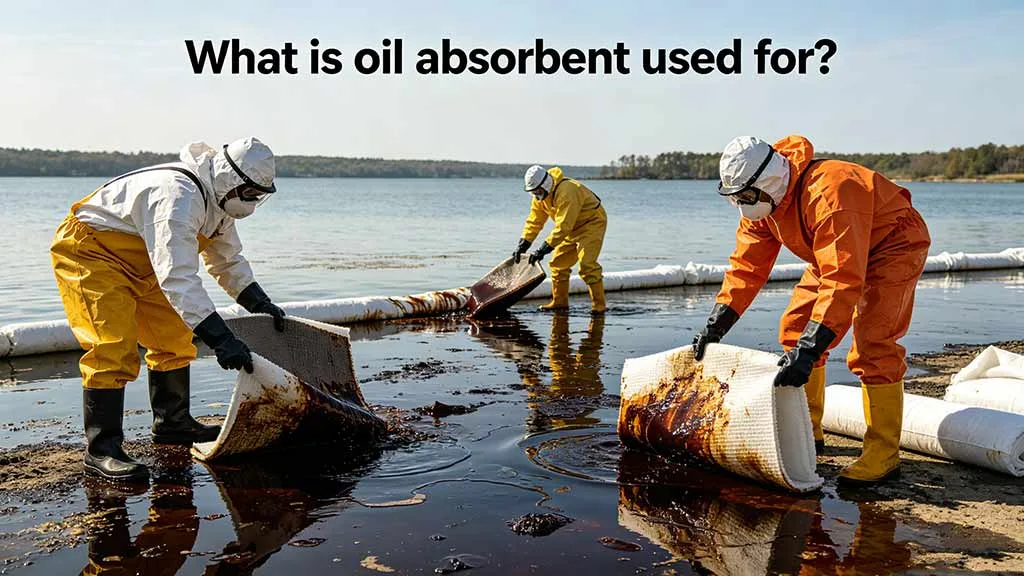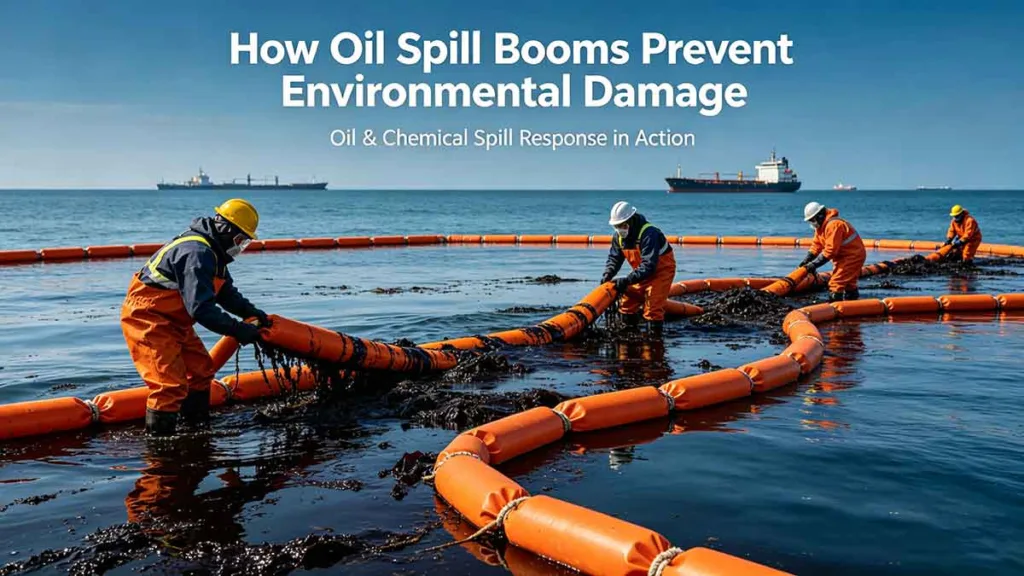
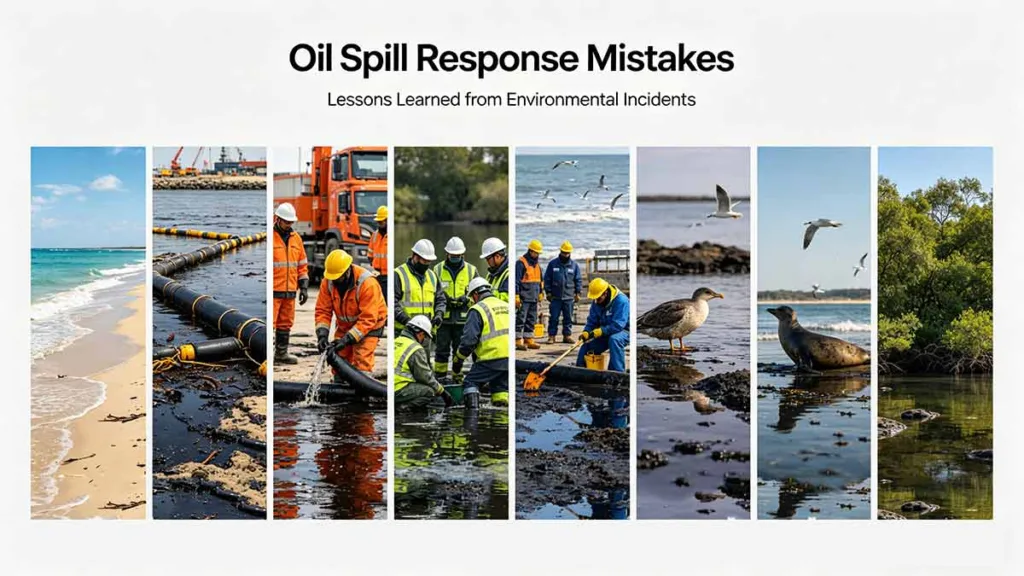
10 common mistakes to avoid when you respond to an oil spill are critical knowledge for businesses and facility managers who handle oil, as even small missteps can lead to costly environmental damage, legal penalties, and safety hazards. When you respond to an oil spill, every action matters—from the equipment you use to the steps you take—and avoiding these common errors ensures a faster, safer, and more compliant cleanup. This guide breaks down each mistake in detail, explains why it’s harmful, and provides actionable solutions, while highlighting how the right tools (like oil absorbent pads, oil spill kits, and chemical absorbent products) can prevent these errors altogether.
📌 Why Avoiding Mistakes When You Respond to an Oil Spill Matters
When you respond to an oil spill, cutting corners or making simple errors can have far-reaching consequences. Oil spills—whether small leaks in a warehouse or larger spills in industrial settings—threaten soil, water, and wildlife, while also exposing businesses to fines and reputational damage. Here’s why prioritizing proper oil spill response is non-negotiable:
- Environmental Protection: Improper response can let oil seep into soil, groundwater, or nearby waterways, killing plants, harming aquatic life, and creating long-term contamination that’s expensive to remediate. Even small spills can disrupt local ecosystems, especially if they reach sensitive areas like rivers or wetlands.
- Legal Compliance: Most regions have strict regulations governing how to respond to an oil spill, including requirements for cleanup procedures, equipment use, and waste disposal. Violations can result in fines ranging from $1,000 to $100,000+, depending on the spill size and environmental impact.
- Safety for Your Team: Oil spills create slip hazards, and some oils or chemical mixtures can release toxic fumes. Mistakes like not wearing proper PPE or using the wrong equipment can lead to injuries, burns, or respiratory issues for your team.
- Cost Savings: Fixing the aftermath of a poorly handled spill—including environmental remediation, fines, and equipment replacement—is far more expensive than investing in proper response tools and training upfront. Choosing the right oil spill response equipment from the start reduces long-term costs.
The good news is that most oil spill response mistakes are easily avoidable with basic knowledge, proper training, and the right tools. By familiarizing yourself with these 10 common errors, you can ensure that when you respond to an oil spill, you do so effectively and responsibly.
❌ 10 Common Mistakes to Avoid When You Respond to an Oil Spill
Below are the most frequent mistakes people make when they respond to an oil spill, along with detailed explanations of why they’re problematic and how to fix them. Each section includes practical tips and guidance on using the right oil spill response equipment to prevent errors.
🚫 Mistake 1: Waiting to Respond to an Oil Spill (Delaying Initial Action)
One of the biggest mistakes when you respond to an oil spill is waiting—even a few minutes can let the oil spread, making cleanup harder, more expensive, and more harmful to the environment. Oil spreads quickly, especially on water or porous surfaces like concrete, and delays can turn a small, manageable spill into a large, costly one.
🔍 Why This Mistake Hurts
- Oil seeps into porous materials (like concrete, soil, or fabric) within minutes, making it nearly impossible to fully remove without specialized equipment.
- Spreading oil increases the risk of it reaching waterways, storm drains, or sensitive environmental areas, which triggers stricter regulatory requirements and higher fines.
- Delays reduce the effectiveness of oil absorbent products, as oil that has spread thin is harder to contain and clean up.
✅ How to Fix It
- Have an oil spill kit readily available in high-risk areas (e.g., near storage tanks, machinery, or loading docks). A well-stocked oil spill kit should include oil absorbent pads, oil absorbent socks, and gloves for immediate use.
- Train your team to respond within 60 seconds of noticing a spill—designate a “spill responder” for each shift to take immediate action.
- For larger spills, activate your oil spill emergency response plan immediately and contact local environmental authorities if the spill threatens water or public areas.
Pro Tip: Keep oil absorbent rolls near high-risk areas—they can be cut to size to cover spills quickly and prevent spread, making them ideal for rapid initial response.
🚫 Mistake 2: Using the Wrong Oil Spill Response Equipment (Including Absorbents)
Another common mistake when you respond to an oil spill is using equipment that’s not designed for the type or size of the spill. This includes using the wrong absorbent products, tools, or protective gear, which can make the spill worse or put your team at risk.
🔍 Common Equipment Errors
Mistake | Why It’s Harmful | Correct Equipment |
|---|---|---|
Using chemical absorbent pads for oil spills | Chemical absorbent pads are designed for hazardous chemicals, not oil—they won’t absorb oil effectively and may release harmful substances when in contact with petroleum. | Oil absorbent pads (hydrophobic, designed to repel water and absorb only oil) |
Using small absorbent pads for large spills | Small pads can’t cover large spills, leading to incomplete cleanup and oil spread. | Oil absorbent rolls or oil absorbent boom (for large, spreading spills) |
Not using oil absorbent socks to contain spills | Without socks to create a barrier, oil can flow into drains or waterways. | Oil absorbent socks (placed around the spill perimeter to contain spread) |
Using regular gloves instead of chemical-resistant gloves | Oil and potentially harmful chemicals can seep through regular gloves, causing skin irritation or chemical burns. | Chemical-resistant gloves (included in quality oil spill kits) |
✅ How to Fix It
- Assess the spill first: Is it oil-only, or does it include chemicals? Use oil absorbent products for oil-only spills and chemical absorbent products (like chemical absorbent pads or chemical absorbent boom) for chemical spills.
- Match equipment size to the spill: Use oil absorbent pillows for small, concentrated spills (e.g., under a machine), oil absorbent rolls for medium spills, and oil absorbent boom for large or outdoor spills.
- Invest in a comprehensive oil spill kit that includes all necessary equipment—this ensures you have the right tools on hand when you respond to an oil spill, no matter the size.
Key Note: Oil absorbent boom is especially useful for outdoor spills or spills near water—its floating design contains oil on the surface, preventing it from spreading to sensitive areas. For chemical spills, opt for a chemical absorbent boom to safely contain hazardous substances without leaching.
🚫 Mistake 3: Ignoring Oil Spill Response Safety Rules (Putting Your Team at Risk)
When you respond to an oil spill, safety should be your top priority—but many people overlook basic safety rules, putting themselves and their team at risk of injury, illness, or worse. This includes not wearing proper PPE, working in poorly ventilated areas, or ignoring fire hazards.
🔍 Common Safety Mistakes
- Not Wearing PPE: Skipping gloves, goggles, or protective clothing can lead to skin contact with oil or chemicals, causing irritation, burns, or chemical poisoning. Some oils, like gasoline, are highly volatile and can cause respiratory issues if inhaled.
- Working Near Ignition Sources: Oil is flammable, so using spark-producing tools (e.g., drills, lighters) or working near open flames when you respond to an oil spill can trigger fires or explosions.
- Working Alone: If an accident occurs (e.g., a slip, chemical exposure), working alone means no one is available to help, increasing the risk of serious injury.
- Not Ventilating the Area: Enclosed spaces with oil spills can accumulate toxic fumes, leading to dizziness, nausea, or even suffocation.
✅ How to Fix It
- Mandate PPE for all spill responders: Gloves, goggles, protective clothing, and respiratory masks (if working with volatile oils or chemicals) should be worn at all times.
- Clear the area of ignition sources before starting cleanup—no smoking, no spark-producing tools, and turn off nearby machinery if possible.
- Always have at least two people present when you respond to an oil spill—one to handle cleanup and one to monitor safety and call for help if needed.
- Ensure proper ventilation: Open windows, doors, or use fans to circulate air in enclosed spaces. For large indoor spills, consider using a ventilation system to remove fumes.
Pro Tip: Include safety gear (gloves, goggles, masks) in your oil spill kit and chemical spill kit, so responders have immediate access to the protection they need. Regularly check and replace PPE to ensure it’s in good condition.
🚫 Mistake 4: Failing to Contain the Spill Before Cleanup
Many people jump straight to cleanup when they respond to an oil spill, but failing to contain the spill first is a major mistake. Without containment, oil will continue to spread, making cleanup harder, more time-consuming, and more expensive. Containment is especially critical for spills near drains, waterways, or sensitive areas.
🔍 Why Containment Matters
- Containment prevents oil from reaching storm drains, rivers, lakes, or oceans, which reduces environmental damage and regulatory penalties.
- Containing the spill keeps it in a concentrated area, making it easier to absorb and clean up with oil-absorbent products.
- Without containment, oil can seep into soil or groundwater, creating long-term contamination that’s difficult and costly to remediate.
✅ How to Fix It
- Use oil absorbent socks to create a barrier around the spill perimeter—place them tightly together to prevent oil from seeping through gaps. For outdoor spills, use oil absorbent boom to contain oil on water or large surfaces.
- Cover drains or storm grates with oil absorbent pads or plastic covers before starting cleanup—this prevents oil from flowing into water systems.
- For small spills, use oil absorbent pillows to plug leaks (e.g., from a broken pipe) while you contain the rest of the spill.
- If the spill is near water, deploy oil absorbent boom around the spill area to create a floating barrier—this stops oil from spreading further into the water.
Key Note: For chemical spills, use chemical absorbent socks and chemical absorbent boom instead—these products are designed to contain hazardous chemicals without breaking down or leaching toxins.
🚫 Mistake 5: Improper Disposal of Used Oil Absorbent Products
When you respond to an oil spill, cleaning up is only half the battle—disposing of used oil absorbent products (like oil absorbent pads, socks, or boom) improperly is another common mistake. Used absorbents are often contaminated with oil or chemicals, and improper disposal can lead to environmental damage and legal fines.
🔍 Common Disposal Errors
- Throwing used oil absorbent pads in regular trash: Contaminated absorbents can leak oil into landfills, soil, or waterways.
- Burning used absorbents: Burning releases toxic fumes into the air and is illegal in most regions.
- Mixing used oil absorbent products with chemical absorbent products: This makes disposal more difficult and may require special hazardous waste treatment.
✅ How to Fix It
- Place used oil absorbent products in a sealed, leak-proof container labeled “Used Oil-Contaminated Absorbents.” For chemical-contaminated absorbents, use a container labeled “Hazardous Waste.”
- Contact a licensed waste management company to collect and dispose of used absorbents—they will ensure proper disposal in compliance with local regulations.
- Do not reuse oil absorbent products that have been contaminated with chemicals—dispose of them as hazardous waste. Some oil-only absorbents can be recycled if they’re not too heavily contaminated.
Pro Tip: Include a sealed disposal bag in your oil spill kit and chemical spill kit, so you can immediately contain used absorbents and prevent secondary contamination.
🚫 Mistake 6: Not Training Your Team to Respond to an Oil Spill
Many businesses make the mistake of assuming their team knows how to respond to an oil spill without proper training. This leads to disorganized, ineffective cleanup, missed steps, and increased risk of mistakes, injuries, or environmental damage.
🔍 Why Training Matters
- Untrained teams may use the wrong equipment, skip containment steps, or ignore safety rules, making the spill worse.
- Training ensures everyone knows their role when you respond to an oil spill, leading to faster, more efficient cleanup.
- Trained teams are more likely to notice small spills before they become large, reducing cleanup costs and environmental impact.
✅ How to Fix It
- Provide regular oil spill response training for all team members—include hands-on practice with oil absorbent products, oil spill kits, and containment tools.
- Create a written oil spill emergency response plan that outlines steps, roles, and equipment locations, and review it with your team quarterly.
- Conduct mock spills to test your team’s response—this helps identify gaps in training or equipment and ensures everyone is prepared.
- Train designated “spill leaders” to oversee cleanup and ensure compliance with safety and regulatory rules.
Key Note: Training should include how to use all your oil spill response equipment, including oil absorbent pads, rolls, socks, boom, and oil spill kits. For teams that handle chemicals, add training on chemical absorbent products and chemical spill kits.
🚫 Mistake 7: Overlooking Small Spills (Thinking They’re “Not a Big Deal”)
When you respond to an oil spill, small spills are often ignored or handled casually—but this is a major mistake. Even a small spill (e.g., a few drops from a machine) can grow into a larger problem if not addressed immediately. Small spills can also seep into soil or drains, leading to long-term contamination.
🔍 Why Small Spills Matter
- Small spills can accumulate over time—multiple small leaks can add up to a large spill, increasing cleanup costs and environmental risk.
- Small spills near drains or waterways can quickly flow into larger bodies of water, causing environmental damage and regulatory penalties.
- Ignoring small spills sends a message to your team that spill response isn’t a priority, leading to more mistakes in the future.
✅ How to Fix It
- Treat every spill—no matter how small—as a priority. Keep small oil absorbent pads or oil absorbent pillows near machinery to clean up small leaks immediately.
- Train your team to report all spills, even small ones, so you can track patterns and fix the source (e.g., a leaky valve or faulty machine).
- Use oil absorbent rolls to clean up small, spread-out spills quickly—cutting the roll to size ensures you don’t waste product while containing the spill.
Pro Tip: Place small oil spill kits near high-risk machinery (e.g., pumps, storage tanks) so team members can clean up small spills in seconds, before they become larger problems.
🚫 Mistake 8: Not Checking Oil Spill Response Equipment Regularly
Having oil spill response equipment on hand is useless if it’s expired, damaged, or missing parts. Many businesses make the mistake of buying oil spill kits or absorbent products and then forgetting to check them, leading to equipment failure when they respond to an oil spill.
🔍 Common Equipment Issues
- Expired absorbent products: Oil absorbent pads, socks, and boom can dry out or break down over time, reducing their absorbency.
- Damaged equipment: Ripped absorbent products, broken boom connectors, or leaky disposal bags can render equipment useless during a spill.
- Missing items: Oil spill kits may be missing key items (e.g., gloves, absorbent pads) if not checked regularly, leading to delays in cleanup.
✅ How to Fix It
- Schedule monthly checks of all oil spill response equipment—inspect oil absorbent products for damage, check expiration dates, and ensure oil spill kits and chemical spill kits are fully stocked.
- Replace expired or damaged products immediately—store extra absorbent pads, socks, and boom to ensure you always have backups.
- Label equipment with purchase dates and expiration dates, and keep a log of checks and replacements.
- Store equipment in a cool, dry place to prevent damage—avoid storing absorbent products near heat sources or chemicals.
Key Note: Oil absorbent boom and chemical absorbent boom should be inspected for rips or damage, as even small tears can reduce their effectiveness in containing spills. Replace boom that shows signs of wear to ensure it works when you need it.
🚫 Mistake 9: Ignoring Oil Spill Response Compliance Requirements
When you respond to an oil spill, compliance with local, state, and federal regulations is critical—but many businesses overlook these requirements, leading to costly fines and legal trouble. Regulations vary by region, but they often include rules for spill reporting, cleanup procedures, and waste disposal.
🔍 Common Compliance Mistakes
- Not reporting spills: Many regions require reporting spills above a certain size (e.g., 5 gallons) to environmental authorities—failing to report can result in fines.
- Using non-compliant equipment: Some regions have specific requirements for oil spill response equipment (e.g., certified absorbent products), and using non-compliant products can lead to penalties.
- Improper record-keeping: Many regulations require keeping records of spills, cleanup steps, and waste disposal—failing to keep these records can result in fines during inspections.
✅ How to Fix It
- Research local regulations to understand requirements for spill reporting, cleanup, and disposal. Keep a copy of these regulations on hand for your team.
- Use compliant oil spill response equipment—choose absorbent products, oil spill kits, and chemical spill kits that meet local certification standards.
- Keep detailed records of all spills: date, time, location, size, cleanup steps, equipment used, and waste disposal. Store these records for at least 3 years (or longer, depending on regulations).
- Designate a compliance officer to oversee oil spill response and ensure all steps meet regulatory requirements.
Pro Tip: Work with a trusted supplier of oil spill response equipment to ensure your products are compliant. They can help you choose products that meet local regulations and avoid compliance risks.
🚫 Mistake 10: Not Having a Backup Plan for Large or Complex Spills
When you respond to an oil spill, not all spills are small or simple. Many businesses make the mistake of only preparing for small spills, leaving them unprepared for large or complex spills (e.g., spills near water, chemical spills, or spills that spread quickly). Without a backup plan, large spills can spiral out of control, causing severe environmental damage and financial loss.
🔍 Why Backup Plans Matter
- Large spills require more equipment, personnel, and time to clean up—without a backup plan, you’ll waste time scrambling to get the tools and help you need.
- Complex spills (e.g., chemical spills or spills near water) require specialized equipment and expertise—failing to plan for them can lead to mistakes and increased risk.
- A backup plan ensures you can quickly escalate the response if the spill grows, reducing environmental damage and regulatory penalties.
✅ How to Fix It
- Create a backup plan that includes: contacting a professional spill cleanup company for large spills, having extra oil absorbent boom and chemical absorbent boom on hand for complex spills, and designating a contact person for environmental authorities.
- Stock additional equipment for large spills: extra oil absorbent rolls, oil absorbent pillows, and boom, as well as a larger oil spill kit or chemical spill kit.
- Establish a relationship with a professional spill cleanup company in advance—this ensures you can get help quickly if you need it.
- Include backup steps in your oil spill emergency response plan, such as evacuating the area if the spill becomes too large or hazardous.
Key Note: For chemical spills, your backup plan should include using chemical absorbent products (chemical absorbent pads, rolls, socks, boom) and contacting a professional cleanup company that specializes in hazardous materials.
🛠️ How the Right Oil Spill Response Equipment Prevents These Mistakes
Many of the mistakes above can be avoided by investing in high-quality oil spill response equipment and using the right products for the job. Here’s how specific products help prevent common errors when you respond to an oil spill:
Equipment | Mistakes It Prevents | Key Benefits |
|---|---|---|
Oil Spill Kit | Delaying response, using the wrong equipment, and missing safety gear | All-in-one kit with absorbents, PPE, and disposal bags—ready for immediate use |
Oil Absorbent Pads | Small spills ignored, improper cleanup, using the wrong absorbents | Hydrophobic design absorbs only oil, ideal for small, concentrated spills |
Oil Absorbent Socks | Failing to contain spills, oil flowing into drains | Creates a barrier around spills, preventing spread to sensitive areas |
Oil Absorbent Boom | Large spills are spreading, and oil is reaching waterways | Floating design contains large spills, ideal for outdoor or water-adjacent areas |
Chemical Spill Kit | Using the wrong equipment for chemical spills, safety risks | Specialized for hazardous chemicals, including chemical absorbent products and PPE |
Oil Absorbent Rolls | Small spills are ignored, and inefficient cleanup for medium spills | Cut-to-size design for flexible use, covers medium-sized spills quickly |
Investing in the right equipment not only prevents mistakes when you respond to an oil spill but also saves time, money, and stress. High-quality absorbent products and spill kits ensure your team can respond quickly, safely, and compliantly, no matter the size or type of spill.
📝 Final Thoughts: Avoid These Mistakes to Respond to an Oil Spill Effectively
When you respond to an oil spill, avoiding these 10 common mistakes is key to protecting the environment, keeping your team safe, and staying compliant with regulations. From acting quickly and using the right equipment to training your team and having a backup plan, every step you take matters. Remember, the goal isn’t just to clean up the spill—it’s to do so in a way that minimizes harm, reduces costs, and prevents future spills.
The right oil spill response equipment—including oil absorbent pads, oil absorbent socks, oil absorbent boom, oil spill kits, and chemical absorbent products—plays a critical role in avoiding these mistakes. By choosing high-quality, compliant products, you can ensure your team has the tools they need to respond to an oil spill effectively, every time.
If you’re unsure which oil spill response equipment is right for your business, or if you need help preparing your team to respond to an oil spill, don’t hesitate to reach out. We offer a full range of high-quality absorbent products and spill kits designed to help you avoid these common mistakes and handle any spill with confidence. 10 common mistakes to avoid when you respond to an oil spill are easily preventable with the right knowledge and tools—let us help you get prepared.