
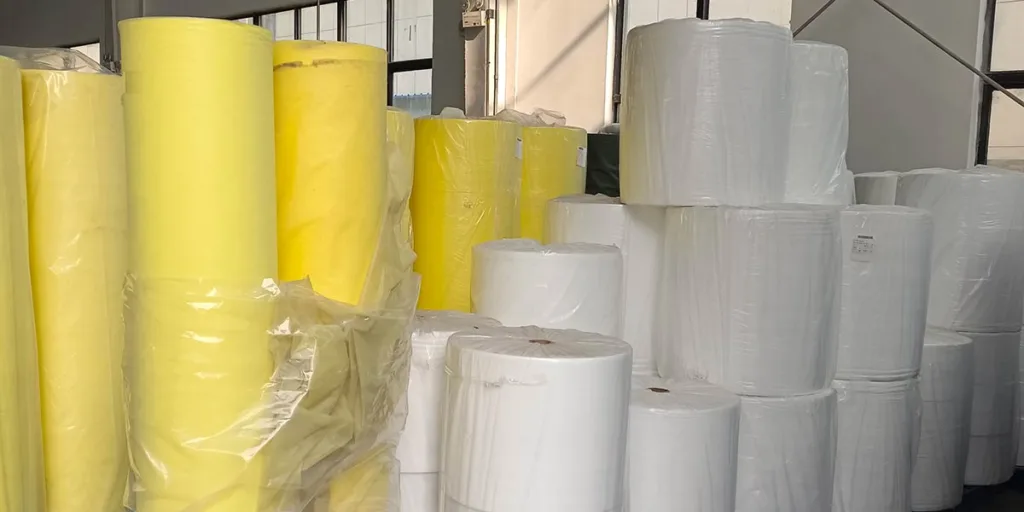
Knowing reliable Methods of Oil Spill Cleanup for industrial factory leaks helps manufacturing facilities resolve sudden oil drips, pipeline leaks, and equipment overflow without environmental fines or operational downtime. With over eight years of supporting industrial clients in optimizing their spill response systems, I’ve witnessed countless factory teams struggle with improper cleanup techniques that worsen leaks, damage workshop floors, and violate U.S. EPA environmental compliance standards. Industrial oil leaks ranging from minor hydraulic oil drips to large diesel spills demand targeted, systematic cleanup methods instead of random wiping, making professional spill handling protocols essential for every factory.
🌡️ Why Industrial Factory Oil Leaks Need Specialized Cleanup Methods
Factory oil spills differ drastically from minor household spills, as they involve high-volume industrial oils, continuous leakage risks, and strict workplace safety regulations. Many factory managers underestimate the hidden risks of unprofessional cleanup, leading to repeated safety hazards and economic losses. Based on real industrial audit experience, the following are the core risks of improper factory oil leak handling:
- Workplace safety hazards: Slippery oil-covered floors cause frequent slip-and-fall accidents, while accumulated industrial oil may trigger fire risks near mechanical equipment and power lines
- Environmental non-compliance penalties: Uncontained oil leaks can flow into floor drains and nearby water systems, resulting in expensive EPA fines and mandatory facility rectification
- Equipment damage: Long-term oil residue corrosion wears down factory machinery, pipes, and floor surfaces, shortening equipment service life and increasing maintenance costs
- Operational downtime: Uncontrolled large-scale leaks force temporary production halts to complete thorough cleanup and safety inspections
Unlike open-water oil spills that focus on long-distance barrier containment, factory oil spill cleanup prioritizes rapid on-site containment, thorough absorption, and standardized waste disposal. This is why general cleaning tools fail to meet industrial demands, and professional oil spill cleanup methods paired with dedicated absorbent products become the optimal solution.
✅ Core Effective Oil Spill Cleanup Methods for Industrial Factory Leaks
After years of testing and on-site practice with manufacturing, mechanical processing, and chemical factory clients, I have summarized four practical, low-cost, and compliant oil spill cleanup methods suitable for all industrial factory scenarios. These methods adapt to small drips, medium spills, and large-scale leakage emergencies, covering the entire spill response process from containment to cleanup.
1. Rapid Containment First: Stop Spill Spread Instantly
The biggest mistake factory staff make during oil leaks is rushing to absorb oil without containment, which causes the spill to spread across flat workshop floors and seep into gaps. Containment is always the first step of effective industrial oil spill cleanup, especially for flowing hydraulic oil, gear oil, and diesel spills.
Applicable Scenarios
Sudden pipeline breaks, equipment overflow, and large-area flowing oil spills in factory workshops and storage areas
Recommended Containment Tools & Operations
- Oil absorbent socks: Flexible and lightweight, perfect for enclosing irregular spill areas, blocking floor drains, and surrounding leaking equipment bases to intercept spreading oil
- Oil absorbent boom: Suitable for large-area factory floor spills, connected end-to-end to form continuous barrier perimeters to lock spill ranges
On-site experience tip: I once assisted a machinery factory in handling a 30-gallon hydraulic oil leak. The staff initially tried wiping with ordinary rags, causing the oil to spread to the entire workshop passage. After deploying oil absorbent socks to block drain outlets and oil absorbent boom to enclose the spill area, we completely controlled the leakage spread within 2 minutes, avoiding expanded pollution.
2. Targeted Absorption: Match Tools With Spill Scale
After completing spill containment, targeted absorption is the core step to thoroughly clean residual oil. Different spill sizes and positions require matched oil absorbent products to maximize cleanup efficiency and avoid material waste. The following tool matching standards are summarized from long-term industrial spill response practice:
Factory Spill Scale | Typical Leak Scenarios | Recommended Absorbent Products | Core Advantages |
|---|---|---|---|
Small drips (0–5 gallons) | Long-term equipment oil drips, pipe joint seepage | Compact size, easy to place under equipment and pipes, stable, continuous absorption | |
Medium spills (5–50 gallons) | Minor tank overflow, short pipeline leakage | Oil absorbent rolls, oil absorbent socks | Fast large-area coverage, flexible cutting, and combination use |
Large spills (>50 gallons) | Pipeline rupture, storage tank leakage | Oil absorbent boom + oil absorbent rolls + pillows combination | Barrier containment + full coverage absorption, efficient cleanup |
All professional oil absorbent products adopt hydrophobic and oleophilic synthetic fiber materials, which repel water and only absorb oil. This avoids absorbing clean workshop water during cleanup and prevents secondary pollution, fully complying with industrial environmental protection standards.
3. Hazardous Waste Standard Disposal: Avoid Secondary Violations
Many factories complete surface oil cleanup but ignore standardized waste disposal, leading to hidden environmental risks. Used oil absorbent pads, socks, and booms are classified as industrial hazardous waste and cannot be discarded with ordinary domestic garbage.
- Place all oil-saturated absorbent products in dedicated sealed hazardous waste bags to prevent residual oil leakage and re-pollution
- Hand over waste materials to certified local industrial waste disposal institutions for centralized incineration or harmless treatment
- Record disposal time, waste quantity, and disposal institution information to complete compliance filing for EPA inspection
Practical experience: Nearly 30% of small and medium-sized factories I audited received EPA warnings due to irregular disposal of waste oil absorbents. Standardized disposal is as important as spill cleanup itself for long-term factory compliance.
4. Post-Cleanup Inspection & Preventive Optimization
Effective oil spill cleanup for industrial factory leaks does not end with surface oil removal. Post-cleanup inspection and preventive layout can fundamentally reduce repeated leakage and save long-term cleanup costs.
- Leak point troubleshooting: After cleanup, inspect damaged pipes, aging seals, and faulty equipment to repair leakage sources and avoid repeated spills
- On-site safety recovery: Clean residual oil stains on the ground, ventilate the workshop, and eliminate fire and slip hazards
- Spill kit supplement: Timely replenishment of consumed products in the factory oil spill kit to ensure complete emergency reserves for future spills
- Regular staff training: Train frontline workers on standardized spill response steps to improve emergency disposal speed
⚙️ How to Handle Mixed Oil & Chemical Factory Spills
Many comprehensive industrial factories face mixed leakage risks of industrial oil and corrosive chemicals, where ordinary oil absorbent products fail to work and may even dissolve and cause secondary pollution. This requires targeted chemical spill cleanup methods and professional chemical absorbent products.
For mixed spills of oil, acid liquid, solvent, and corrosive chemicals in factories, follow these core principles:
- Never use oil-only absorbent pads, rolls, or socks for chemical spills, as these materials cannot resist corrosion and will break down rapidly
- Deploy chemical absorbent socks and chemical absorbent boom first to contain mixed spills and block diffusion paths
- Use chemical absorbent pads and chemical absorbent pillows for layered absorption to ensure thorough removal of hazardous liquids
- Equip a dedicated chemical spill kit independently to avoid mixing with oil spill tools and prevent cross-contamination
I once assisted a chemical processing factory in handling a mixed leak of diesel and weak acid. The staff initially used ordinary oil absorbents, which were corroded and broken, leading to expanded pollution. After switching to full chemical absorbent products, we completed safe and compliant cleanup in 15 minutes, avoiding major safety accidents.
⚠️ Common Mistakes in Factory Oil Spill Cleanup to Avoid
In daily industrial spill response, many habitual operations reduce cleanup efficiency and bring compliance risks. Based on on-site audit and rectification experience, the following wrong operations must be avoided:
- Blind use of water flushing: Flushing oil spills with water will spread oil stains to a larger area and cause oil to flow into drainage systems, triggering environmental violations
- Reusing saturated absorbents: Saturated oil absorbent pads and socks lose absorption capacity; reuse will squeeze out residual oil and cause secondary pollution
- Improper tool matching: Using small socks for large-area spills or ordinary cleaning cloths for industrial oil leaks leads to incomplete cleanup
- Missing emergency reserves: An unupdated and incomplete oil spill kit and chemical spill kit will delay optimal spill disposal time
🛡️ How Professional Spill Kits Streamline Factory Leak Cleanup
Equipping standardized oil spill kits and chemical spill kits is the most cost-effective way for factories to implement efficient spill cleanup. Complete emergency kits integrate all required absorbent tools and protective equipment, enabling untrained staff to complete standardized disposal quickly.
- Complete tool matching: The kits are equipped with oil absorbent pads, oil absorbent rolls, oil absorbent socks, oil absorbent pillows, and oil absorbent boom, covering all factory spill scenarios
- Ready for emergency use: Compact and easy to store in workshops, warehouses, and equipment rooms, enabling one-click access during sudden leaks
- Compliant configuration: Matched with protective gloves, goggles, and hazardous waste bags to meet OSHA and EPA workplace safety standards
Factories with fixed spill risks can configure targeted kits according to their main leakage types, avoiding tool redundancy or shortage and optimizing emergency response efficiency.
📌 Authoritative Resources for Industrial Oil Spill Cleanup Standards
To ensure all factory oil spill cleanup operations comply with U.S. industrial environmental protection and safety standards, you can refer to the following authoritative industry resources for standardized operation guidelines and compliance requirements:
U.S. Environmental Protection Agency (EPA): Provides official industrial spill prevention, response, and hazardous waste disposal guidelines, helping factories fully comply with federal environmental regulations and avoid fines.
3M Oil & Petroleum Sorbents Technical Guide: Offers professional absorbent product usage specifications, absorption performance parameters, and scenario-adaptable cleanup methods, supporting scientific tool selection for industrial spills.
NDT.org Absorbents Industry Directory: Aggregates industrial-grade absorbent product standards and spill response best practices, providing reliable references for factory emergency system optimization.
🔚 Final Thoughts
Mastering effective oil spill cleanup methods for industrial factory leaks is a necessary capability for every manufacturing enterprise to ensure safe production and environmental compliance. Standardized processes of rapid containment, targeted absorption, standardized disposal, and post-event prevention, paired with high-quality oil absorbent pads, oil absorbent rolls, oil absorbent socks, oil absorbent pillows, oil absorbent boom, and supporting spill kits, can completely resolve various factory oil and chemical leakage problems.
Adopting professional cleanup methods not only improves emergency efficiency but also effectively avoids safety accidents and environmental penalties, creating a stable and compliant production environment for factories. If you need customized industrial spill response product solutions and factory emergency reserve configuration suggestions, our professional team can provide one-stop compliant matching services for your production scenarios.