Are you searching for an eco-friendly, sustainable alternative to traditional petroleum-based nonwoven fabrics? Look no further than PLA nonwoven fabric. In this comprehensive guide, we’ll explore everything you need to know about PLA (polylactic acid) nonwoven—from what it is and how it’s made, to its lifespan, degradation time, and key advantages. Whether you’re in the textile industry, agriculture, or simply a conscious consumer, this article will help you understand why PLA nonwoven is gaining global attention.
What Is PLA Nonwoven Fabric?
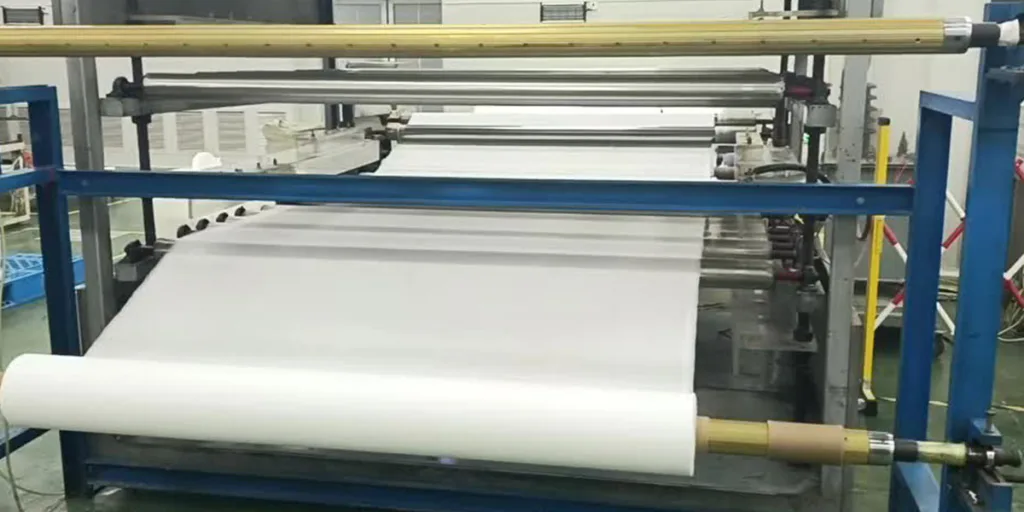
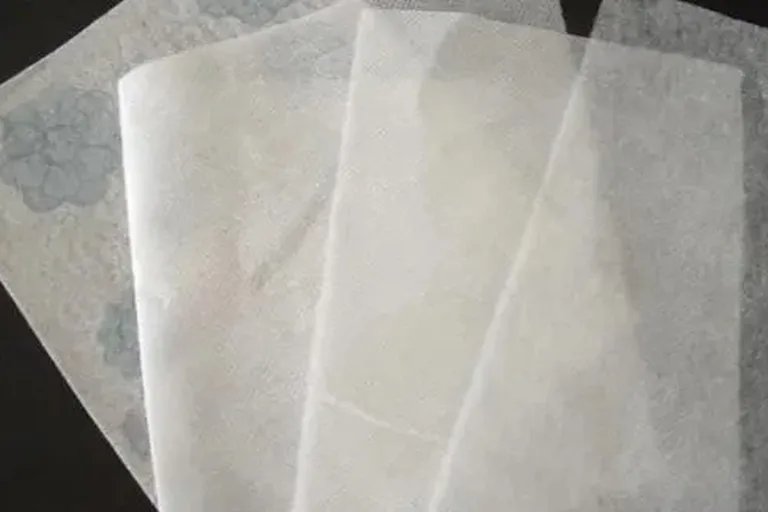
PLA nonwoven fabric, also known as polylactic acid nonwoven, degradable nonwoven, or corn fiber nonwoven, is a innovative material made from renewable plant resources—typically corn starch, sugarcane, or other biomass. The polymer polylactic acid is derived from these natural sources through fermentation and polymerization processes, resulting in a fully biodegradable and compostable fiber.
Unlike conventional nonwovens made from polypropylene (PP) or polyester (PET), PLA nonwoven is 100% bio-based and does not rely on fossil fuels. It offers a unique combination of performance and environmental responsibility, making it a top choice for industries aiming to reduce their carbon footprint.
Key characteristics:
Derived from annually renewable crops
Non-toxic and skin-friendly
Compostable under industrial and home conditions
Excellent breathability and moisture regulation
How Long Does PLA Nonwoven Fabric Last? (Shelf Life & Durability)
The usable lifespan of PLA nonwoven fabric depends heavily on the environment in which it is used. Generally speaking:
Standard storage conditions (cool, dry, away from UV): up to 2 years
Harsh environments (high humidity, temperature fluctuations): approximately 1 year
Corrosive or chemically aggressive settings: around 6 months
Because PLA is a bioplastic, it is sensitive to moisture and heat over time. However, during its intended use—such as in disposable medical garments, agricultural covers, or packaging—it performs reliably within these timeframes. Once its job is done, it can be directed to composting facilities where it will break down naturally.
PLA Nonwoven Degradation Time: How Fast Does It Decompose?
One of the most compelling features of PLA nonwoven is its ability to decompose without harming the environment. Under normal composting conditions (industrial or home compost), PLA nonwoven fabric typically degrades within 180 days—that’s about six months.
During decomposition, it breaks down into carbon dioxide, water, and biomass, leaving no toxic residues or microplastics. Importantly, PLA does not require specialized industrial facilities to start degrading; it will eventually decompose in a natural environment, though the rate may vary with temperature, humidity, and microbial activity.
This rapid and clean degradation cycle positions PLA nonwoven as a superior alternative to traditional plastics, which can persist for centuries.
Key Advantages of PLA Nonwoven Fabric
1. Exceptional Breathability
PLA nonwoven has a dense yet uniform microporous structure. This allows air and water vapor to pass through while still providing a barrier against liquids and particles. As a result:
In medical masks and protective clothing, it prevents stuffiness and reduces moisture buildup, enhancing comfort for long-term wear.
In agricultural applications, it helps regulate humidity under greenhouse covers and plant protection fabrics.
2. High Strength and Durability
Despite being biodegradable, PLA nonwoven boasts impressive mechanical strength. It can withstand handling, stitching, and moderate stress—making it suitable for:
Seedling bags that hold soil and support root development
Shopping bags that carry groceries without tearing
Geotextiles for erosion control (short-term projects)
3. Environmentally Friendly
Made from renewable resources (corn, sugarcane)
Fully compostable, reducing landfill waste
Lower carbon footprint compared to petroleum-based fabrics
4. Moisture Management
PLA fibers naturally wick moisture away from the skin, which is why they are increasingly used in hygiene products like diapers, feminine care, and adult incontinence pads. The fabric maintains a balanced humidity level, preventing skin irritation.
5. Safe for Sensitive Applications
Because PLA is derived from natural sugars and is non-toxic, it is safe for direct contact with food, plants, and human skin. It is often used in food packaging, tea bags, and cosmetic wipes.
Common Applications of PLA Nonwoven Fabric
Medical & Healthcare: Surgical gowns, face masks, drapes, wipes
Agriculture: Crop covers, seedling bags, greenhouse shading, weed control mats
Packaging: Eco-friendly shopping bags, gift wrap, food packaging
Hygiene Products: Diapers, sanitary napkins, wet wipes
Home & Lifestyle: Laundry bags, furniture dust covers, air filters
PLA vs. Traditional Nonwovens: A Quick Comparison
| Feature | PLA Nonwoven | Polypropylene (PP) Nonwoven |
|---|---|---|
| Raw material source | Renewable (corn, sugarcane) | Fossil fuel (petroleum) |
| Biodegradability | Yes (compostable) | No (persists for centuries) |
| Carbon footprint | Low | High |
| Breathability | Excellent | Good |
| Cost | Slightly higher | Lower |
| End-of-life options | Composting, biogas | Landfill or incineration |
Frequently Asked Questions (FAQ)
Is PLA nonwoven fabric the same as polylactic acid nonwoven?
Yes, they are the same product. “PLA” is simply an abbreviation for polylactic acid. Other common names include “corn fiber nonwoven” and “degradable nonwoven.”
Can PLA nonwoven be recycled?
While PLA is technically recyclable, it is not compatible with conventional plastic recycling streams (like PET or PP). The best end-of-life solution is industrial composting. Always check local facilities for bioplastic composting options.
Does PLA nonwoven melt in high heat?
PLA has a relatively low melting point (around 150–160°C) compared to polyester. It is not suitable for applications involving high temperatures, such as ironing or hot-fill packaging.
Is PLA nonwoven safe for vegetable gardens?
Absolutely! PLA is non-toxic and will not leach harmful chemicals into the soil. It is often used for biodegradable mulch films and seedling pots that can be planted directly into the ground.
How can I tell if a product is made from PLA nonwoven?
Look for labeling such as “PLA,” “biodegradable nonwoven,” or “corn fiber.” Some manufacturers also include certification logos like “OK Compost” or “Seedling.”
Conclusion: Why Choose PLA Nonwoven Fabric?
PLA nonwoven fabric represents a significant step toward a circular economy. It combines functionality with environmental stewardship, offering a viable alternative to single-use plastics in many industries. From reducing dependence on fossil fuels to providing a safe, breathable material for medical and agricultural use, PLA nonwoven is truly a material for the future.
As consumer demand for sustainable products grows, adopting PLA nonwoven can help businesses meet regulatory requirements, enhance brand image, and contribute to a healthier planet.
Ready to make the switch? Explore our range of PLA nonwoven products and join the green revolution today.
Keywords: PLA nonwoven fabric, polylactic acid nonwoven, degradable nonwoven, corn fiber nonwoven, biodegradable fabric, eco-friendly nonwoven, compostable nonwoven, PLA fabric applications, PLA degradation time.