🌊 What Are Polypropylene-Based Industrial Spill Kits And Why Facilities Need Them
Polypropylene-based industrial spill kits are the most widely used all-in-one emergency response tools for liquid leakage control across commercial and industrial workplaces. Designed with customized industrial-grade polypropylene absorbent media, these bundled kits solve unplanned oil, water, and chemical spill incidents that almost all production storage and transit facilities face daily.
Most workplace safety incidents and environmental violations stem from unprepared spill response and mismatched absorbent emergency supplies. Frontline site managers often overlook latent liquid spill hazards until small leaks escalate into uncontrollable crises. Industrial-grade polypropylene materials stand out for this scenario thanks to stable physical and chemical adsorption properties tailored for emergency leakage cleanup.
Before diving into selection and operation details, it is critical to clarify the core definition and basic positioning of these industry-specific kits:
- Core Definition: Pre-configured bundled emergency sets composed of polypropylene absorbent consumables, personal protective gear, and waste disposal accessories for on-site rapid liquid spill containment and cleanup
- Core Material Attribute: Melt-blown polypropylene substrate with modified blending formulas for targeted water, oil, or corrosive chemical adsorption
- Core Industry Positioning: Mandatory frontline safety facility for occupational health and environmental pollution risk control
Many facility operators hold a wrong viewpoint that spill kits are only necessary for high-risk chemical plants. In fact, low-risk workplaces including warehouses, food processing workshops, and mechanical maintenance stations also face costly slip accidents and minor pollution fines without basic spill containment equipment.
📌 Three Main Categories of Polypropylene Industrial Spill Kits & Use Scenarios
Manufacturers classify industrial spill kits strictly by modified polypropylene material formulas and adaptive liquid media. No universal one-size-fits-all spill kit can cover all industrial leakage scenarios, making category differentiation the first step of compliant spill risk management.
The three mainstream commercial types cover all low-, medium-, and high-risk industrial spill scenarios, with clear material differences and application boundaries listed below.
🔹 Universal Polypropylene Spill Kits For General Mixed Liquid Leaks
Universal spill kits adopt dual-component blended polypropylene with balanced hydrophilic and lipophilic properties. This baseline material formula enables synchronous adsorption of non-corrosive water-based and oil-based mixed liquids for daily low-hazard spill events.
- Material Features: Unmodified blended melt-blown polypropylene, soft texture, high dispersion adsorption, no chemical surface activation treatment
- Adaptable Liquids: Cooling fluid, machine lubricant, cleaning detergent, tap water, and other mild, non-toxic mixed liquids
- Best Use Cases: Indoor logistics warehouses, general assembly workshops, office equipment maintenance areas, food production assembly lines
- Core Limitations: Cannot resist strong acid-alkali corrosion; ineffective for large-scale outdoor floating oil pollution
🔹 Oil Only Polypropylene Spill Kits For Petroleum Fuel Leakage
Oil-only spill kits use surface-modified oleophilic hydrophobic polypropylene as the core absorbent material. The special chemical coating completely blocks water molecule infiltration while locking hydrocarbon oil molecules, solving the biggest pain point of outdoor water-mixed oil spill cleanup.
- Material Features: Hydrophobic activated polypropylene, ultraviolet and weather resistant, low density to float steadily on water surfaces
- Adaptable Liquids: Gasoline, diesel, crude oil, hydraulic oil, engine oil, and all petroleum-derived hydrocarbon liquids
- Best Use Cases: Marine offshore platforms, refineries, fuel depots, roadside construction sites, fleet transit parking yards
- Core Limitations: Zero adsorption capacity for all water-based liquids; vulnerable to strong chemical solvent erosion
🔹 Hazmat Chemical Spill Kits For Corrosive Toxic Liquid Spills
Hazmat spill kits adopt high-density chemically stabilized polypropylene with anti-corrosion composite coating. This high-grade industrial formula prevents material decomposition when contacting hazardous aggressive liquids for high-risk chemical emergency disposal.
- Material Features: Cross-linked modified polypropylene, high tensile strength, acid- and alkali-resistant, anti-toxic liquid penetration
- Adaptable Liquids: Strong acids, strong alkalis, industrial solvents, toxic biochemical reagents, and unknown hazardous leaked liquids
- Best Use Cases: Pharmaceutical production workshops, chemical processing plants, industrial testing laboratories, hazardous material transit warehouses
- Core Limitations: High production and procurement cost; unnecessary and uneconomical for common oil-water mixed spills
📊 Side By Side Comparison of Three Polypropylene Spill Kit Variants
The below comparison table summarizes core parameters to help on-site safety managers make quick, accurate selections without professional material knowledge. It also marks matching regulatory baseline requirements for each product line.
Comparison Dimension | Universal Polypropylene Spill Kits | Oil Only Spill Kits | Hazmat Chemical Spill Kits |
Core Absorbent Medium | Dual-purpose blended polypropylene | Hydrophobic oleophilic modified polypropylene | Anti corrosion stabilized polypropylene |
Primary Working Environment | Indoor closed low risk work zones | Outdoor open air and water surface zones | High risk chemical operation zones |
Key Compliant Regulation Baseline | Basic OSHA workplace hazard prep rules | EPA SPCC water pollution prevention protocols | OSHA HCS + EPA chemical discharge standards |
Standard Visual Identification Color | Industrial gray | Pure white | High visibility safety yellow |
Relative Procurement Cost | Lowest best for large batch deployment | Medium targeted scenario pricing | High full safety accessory configuration |
🎯 Five Critical Reasons All Industrial Facilities Must Deploy Spill Kits
Most business leaders view spill kits as passive safety accessories instead of core risk control assets. In practice, deploying qualified polypropylene spill kits solves five irreversible operational and compliance risks that threaten all industrial institutions.
🔹 Enable On-Site Instant Leakage Emergency Response
Liquid spill accidents have rapid chain reaction characteristics. A 3 to 5 minute response delay can turn a small drum leakage into large area floor contamination or outdoor water diffusion.
- Pre-positioned spill kits eliminate material preparation delay during emergencies
- Standard polypropylene absorbents finish containment and adsorption within minutes
- Cut production downtime caused by accidental liquid leakage and site cleanup
This answers the common user question: what is the biggest on-site benefit of installing spill kits? Faster on-site disposal to contain accidents before external intervention is required.
🔹 Reduce On-Site Occupational Injury Hazards
Uncleaned liquid spills rank among the top 5 causes of non-mechanical workplace injuries across North American industrial sites. Slippery surfaces, volatile oil vapor, and accidental toxic liquid contact cause frequent compensation and safety record penalties.
- Eliminate slip and fall injuries from scattered oily or aqueous spills
- Prevent chemical burns from unneutralized corrosive liquid contact
- Protect frontline workers from inhalation of toxic volatile leaked media
🔹 Block Cross Media Environmental Pollution Risks
EPA public data shows unregulated industrial liquid spills are a major source of soil and surface water system contamination. Remediating polluted soil and municipal water pipelines costs enterprises millions of dollars in post-accident governance fees.
Polypropylene spill kit systems act as the first environmental defense line:
- Block leaked liquid infiltration into underground soil layers
- Prevent pollutant flow into stormwater and municipal drainage systems
- Centralize contaminated waste for harmless subsequent disposal
🔹 Meet Mandatory OSHA and EPA Regulatory Compliance Rules
Regulatory compliance is the most direct driving factor for spill kit deployment. Both OSHA and EPA have written mandatory clauses for industrial liquid spill preparedness with zero exemption for qualified industrial sites.
- OSHA Mandate: Hazard Communication Standard requires all industrial sites to equip matched emergency spill response hardware for hazardous material handling zones
- EPA Mandate: SPCC rule enforces pre-configured oil spill containment kits for all facilities storing bulk petroleum-based products
- Audit Consequence: Missing or mismatched spill kits trigger on-the-spot fines and forced production shutdown rectification
Site auditors specifically check whether spill kit absorbent materials meet industrial polypropylene safety benchmarks during routine compliance inspections.
🔹 Realize Low-Cost Proactive Enterprise Risk Management
The total procurement and quarterly maintenance cost of polypropylene spill kits is far lower than post-accident economic losses. Most enterprises ignore the invisible high cost of spill-related operational risks.
- Direct high costs after spills: equipment maintenance, environmental remediation, administrative fines
- Indirect high costs: worker medical compensation, production shutdown, brand reputation loss
- Spill kit investment reduces overall enterprise risk management expenditure long-term
🛠️ Standard Internal Components of Qualified Polypropylene Spill Kits
All formal industrial spill kits follow unified industrial component configuration standards based on ANSI national safety guidelines. Basic accessories remain consistent across all three kit types with targeted high-risk upgrades for hazmat and oil-focused models.
🔹 Universal Basic Accessories For All Spill Kit Models
These core polypropylene-based consumables form the basic spill disposal workflow for all low medium risk leakage events:
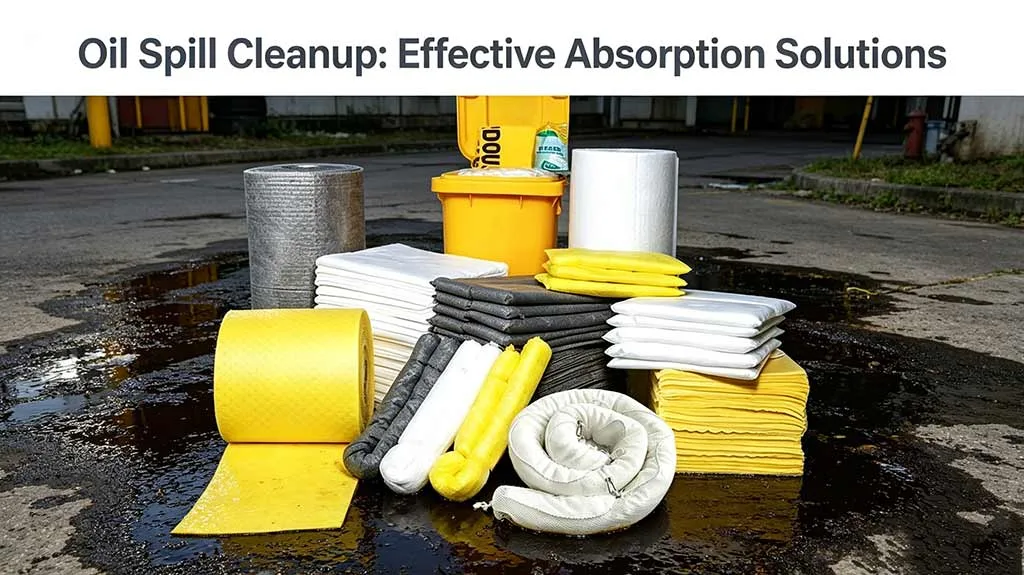
- Polypropylene absorbent pads and rolls: Flat surface consumables for small area scattered spill adsorption and daily bench leakage cleanup
- Flexible absorbent socks: Tubular polypropylene barriers to enclose spill boundaries and stop liquid outward diffusion
- Sealed waste disposal bags: Store saturated contaminated polypropylene materials to avoid secondary environmental pollution
- Step-by-step operation guide: Plain language on-site guidance for untrained frontline staff during emergency scenarios
🔹 Custom Specialized Accessories By Spill Kit Category
Manufacturers add scenario-exclusive accessories based on on-site risk intensity to complete full closed-loop emergency disposal:
- Oil only spill kit upgrades: Polypropylene floating pillows and containment booms for large-scale water surface floating oil recovery
- Hazmat spill kit upgrades: Full set chemical resistant PPE and liquid neutralizing reagents for corrosive liquid disposal
- Large scale site upgrades: Wheeled mobile bracket configurations for high capacity multi point industrial park spill response
✅ Step-by-Step Guide To Select Matched Polypropylene Spill Kits
Improper spill kit selection is the top cause of disposal failure and safety audit non-compliance. You can screen qualified products strictly following four easy judgment dimensions without professional material expertise.
🔹 Screen By On-Site Leakage Liquid Properties
Liquid chemical properties are the primary selection standard that decides polypropylene material formula matching:
- Mixed water and non-corrosive oil leaks → select universal polypropylene spill kits
- Single petroleum and fuel leakage → select dedicated oil-only hydrophobic spill kits
- Toxic corrosive chemical spills → select full protection hazmat spill kits
🔹 Confirm By Maximum Predicted Spill Volume
Leakage volume decides kit capacity and deployment quantity to avoid insufficient adsorption capacity during major incidents:
- Small workstations with minor occasional leaks: mini portable single box spill kits
- Medium production workshops: standard 30 to 50 gallon capacity fixed spill kits
- Large chemical parks and oil depots: multi-point deployed large capacity mobile spill kits
🔹 Adapt Selection To On-Site Geographic Environment
Ambient environment directly affects polypropylene material service life and adsorption performance:
- Indoor temperature stable closed zones: lightweight universal or standard hazmat kits
- Outdoor ultraviolet rain-exposed zones: weather-resistant oil-only modified polypropylene kits
🔹 Verify Matching Local And Federal Compliance Standards
Always confirm product certification matches local industrial audit requirements. Prioritize spill kits manufactured with ANSI-certified polypropylene raw materials to pass OSHA and EPA spot checks one time.
📍 Scientific Placement Inspection And Long-Term Maintenance Protocols
Even top-grade polypropylene spill kits fail emergency tests with improper placement and long-term idle aging. Standard daily management maintains full kit availability for sudden zero warning spill accidents.
🔹 Standard Spill Kit Placement Principles
- Accessible location: Install at unobstructed eye-level positions within 20 meters of high-risk spill generation points
- Obvious marking: Paste high-visibility safety signs to mark all spill kit storage positions
- Priority zones: Chemical storage cabinets, loading/unloading docks, fuel filling stations and main mechanical operation areas
🔹 Quarterly Inspection And Routine Maintenance Checklist
- Check polypropylene absorbent consumables for dampness, fragmentation, and expiration every calendar quarter
- Replenish saturated and consumed pads, socks and auxiliary accessories immediately after every spill drill or real incident
- Organize quarterly staff training on basic spill kit operation and emergency evacuation workflows
- Replace aging, degraded polypropylene kits every 24 months to guarantee stable adsorption performance
⚠️ High Risk Spill Kit Deployment Mistakes Industrial Facilities Need To Avoid
Summarized from thousands of industrial safety audit cases, three low-recognition operational mistakes cause most spill response failures and regulatory penalties. Avoid these errors to stabilize your site safety compliance status.
🔹 Using Universal Kits For Outdoor Floating Oil Spills
Blindly applying universal dual-purpose polypropylene kits for outdoor oil spills causes rapid material water saturation. Residual floating oil will violate EPA surface water pollution control rules and lead to rectification notices.
Standard Correction Solution: Deploy dedicated water repellent oil-only polypropylene spill kits for all outdoor fuel operation areas
🔹 Applying Common Kits For High Risk Chemical Leaks
Non-modified ordinary polypropylene materials will decompose when contacting strong acid and alkali chemicals. This causes secondary liquid leakage and on-site toxic hazard diffusion.
Standard Correction Solution: Equip full configuration anti-corrosion hazmat spill kits for all chemical handling and laboratory work zones
🔹 Single Kit Type Deployment For Mixed Risk Industrial Parks
Large comprehensive industrial sites own indoor maintenance, outdoor fuel storage, and chemical auxiliary workshops. A single spill kit type cannot cover cross-scenario spill risks and forms fatal safety blind spots.
Standard Correction Solution: Build mixed three-category spill kit deployment systems for full scene risk coverage
🔗 Authoritative External Reference Guidelines And Website Access Guidance
To perfect your full lifecycle industrial spill management system and align with 2026 latest federal safety policies, you can refer to three official authoritative industry platforms for standardized operation and parameter verification. All links support direct open access for on-site safety managers.
- OSHA official workplace hazard preparation guidelines: Access this U.S. federal occupational safety platform to check the latest spill preparedness mandatory clauses, on-site audit checklists, and worker training standard requirements for spill response equipment.
- EPA industrial liquid pollution control database: Browse this official environmental protection website to inquire about SPCC protocol details, cross-media spill pollution disposal standards, and eligible funding for facility environmental safety upgrades.
- ANSI national industrial standard library: Log into this national standardization platform to verify polypropylene absorbent material industry benchmarks and national spill kit configuration specifications for compliant product screening.
✅ Conclusion: Optimize On-Site Spill Safety With Qualified Polypropylene Spill Kits
Qualified polypropylene universal oil-only and hazmat spill kits are low-investment, high-return core safety assets for all modern industrial facilities. From basic on-site worker protection and environmental pollution isolation to strict OSHA and EPA regulatory audit compliance, these tailored absorbent emergency kits cover the whole chain of industrial liquid spill risk control.
Screening-matched formula-specific polypropylene spill kits, arranging scientific zone-based placement and executing standardized quarterly maintenance can completely eliminate most preventable spill-related workplace accidents and administrative penalties. If you need scenario-tailored spill kit configuration schemes matching your factory’s onsite risk indicators and industry audit standards, contact our professional team for customized industrial adsorption and emergency leakage containment solutions.