🌊 What Are Industrial Spill Kits and Why Does Site Compliance Depend On Them
Industrial spill kits are essential emergency containment tools that support fast cleanup of liquid leaks to protect staff assets and meet OSHA and EPA regulatory standards. Every industrial workplace faces unique spill risks ranging from routine hydraulic fluid drips to corrosive chemical leaks and outdoor petroleum spills. Without matched spill containment solutions, facilities face safety hazards, environmental contamination risks, and costly compliance penalties.
Many business operators underestimate the value of categorized spill kits and rely on one-size-fits-all generic tools. This common mistake leads to inefficient spill cleanup, incomplete hazard elimination, and repeated audit failures. Professional universal oil-only and hazmat spill kits are engineered with targeted polypropylene absorbent materials and supporting accessories to fit distinct industrial spill scenarios.
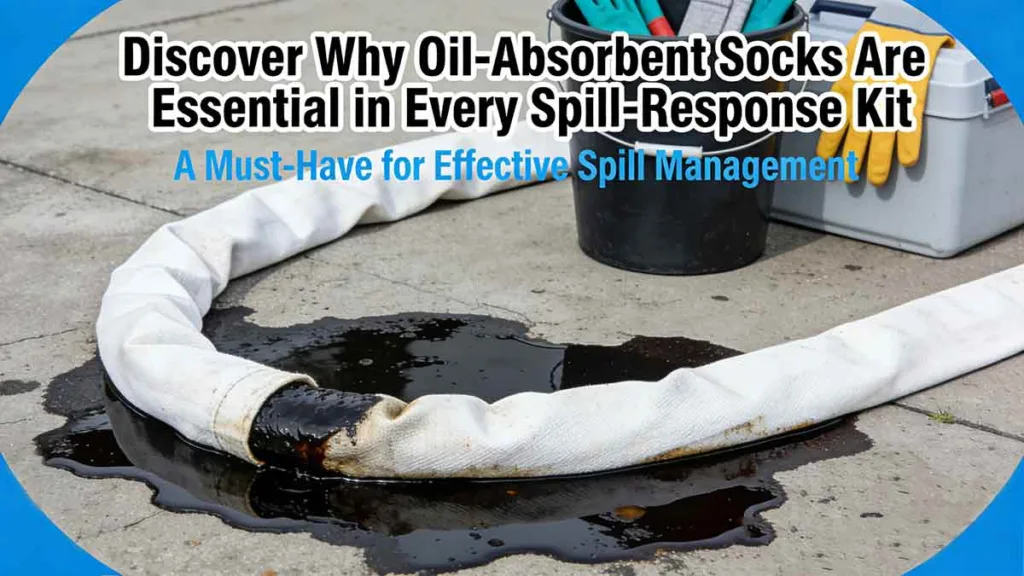
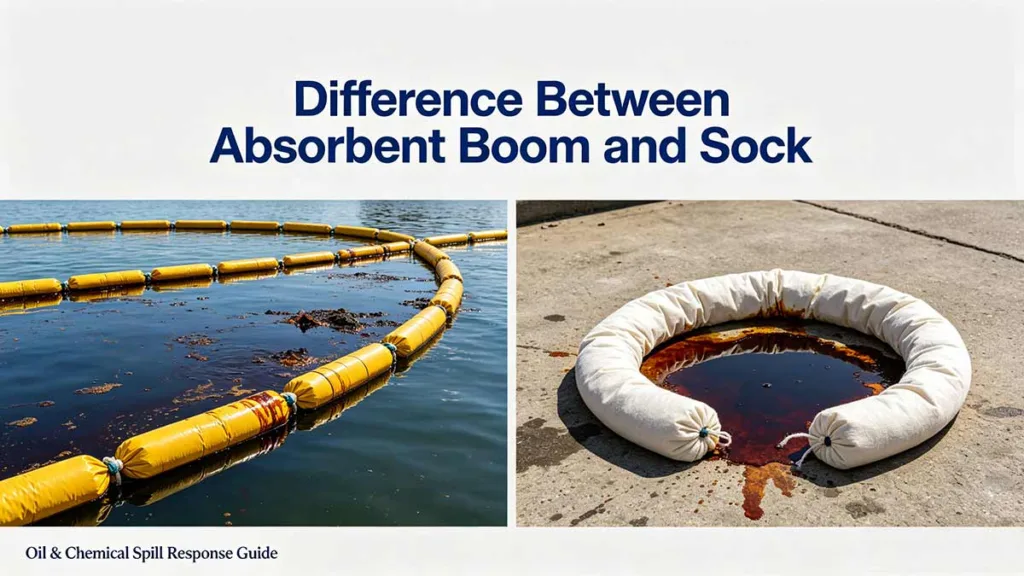
Standard fully equipped industrial spill kits consist of integrated functional components covering the entire spill response process. Core universal configurations include high-performance polypropylene absorbent pads, socks and booms, disposable leak-proof waste bags, professional protective gear, and step-by-step operation guidelines.
Each component serves a specific safety purpose
- Specialized absorbents: Custom polypropylene materials for targeted adsorption of oil, water, or chemical liquids without secondary pollution
- Personal protective equipment: Basic safety gear to shield on-site workers from liquid contact injuries
- Containment accessories: Tools to block spill diffusion and limit hazard spread quickly
- Disposal supplies: Standardized packaging for hazardous waste post-cleanup processing
The core difference between the three main spill kit types lies in absorbent material, performance, chemical resistance, and scenario adaptation. Mastering these differences is the first step to building a reliable site spill prevention system.
📌 Core Differences Between Universal Oil Only and Hazmat Spill Kits
Most industrial spill response failures stem from mismatched spill kit selection. Universal oil-only and hazmat spill kits adopt differentiated polypropylene material formulas, structural designs, and accessory configurations to adapt to low-risk routine spills, outdoor petroleum leaks, and high-risk hazardous chemical spills, respectively.
The following detailed comparison clarifies their core features, applicable scenarios, advantages, and limitations to help industrial users make precise selections.
🔹 Universal Spill Kits Multi-Purpose Solution for Indoor General Industrial Spills
Universal spill kits are versatile, all-around containment tools designed for common non-aggressive liquid spills in daily industrial operations. Built with blended polypropylene absorbent materials, these kits balance water and oil adsorption capacity to handle mixed liquid leakage scenarios efficiently.
Key structural and performance features
- Dual adsorption capacity: Absorb both water-based and oil-based liquids, including coolants, lubricants, solvents, and cleaning fluids
- Standard grey appearance: Unified color marking for easy classification and on-site management
- Indoor scenario adaptation: Optimized for hard flat surfaces such as concrete factory floors and indoor warehouse ground
- Cost-effective configuration: Balanced material consumption and functional design for daily low-frequency spill response
Best applicable industrial scenarios
Universal spill kits fit closed indoor workplaces with mixed low-risk liquid spills. Typical application sites include mechanical processing workshops, equipment maintenance areas, indoor warehouses, factory production lines, and logistics loading and unloading indoor stations.
These kits perfectly solve routine leakage problems such as hydraulic system drips, mechanical oil spills, and aqueous solvent overflow. They serve as the most practical daily safety configuration for most small and medium-sized industrial facilities.
Usage limitations
Universal spill kits cannot resist corrosive, acidic, alkaline, and highly toxic chemical liquids. They also fail to adapt to complex outdoor environments with rainwater interference and are not suitable for large-scale petroleum spill cleanup.
🔹 Oil Only Spill Kits Hydrophobic Solution for Outdoor Petroleum Spills
Oil-only spill kits are professionally customized for petroleum hydrocarbon spills, featuring exclusive hydrophobic and oleophilic polypropylene absorbent technology. The core design principle is to repel clean water completely while efficiently adsorbing all types of oil-based liquids, solving the pain point of ineffective outdoor oil spill cleanup caused by rainwater mixing.
Key structural and performance features
- Strict hydrophobic performance: Special modified polypropylene materials do not absorb water and can float on water surfaces to adsorb floating oil slicks
- Distinct white absorbents: Easy to observe saturation status for timely replacement and cleanup verification
- Outdoor weather resistance: Materials resist mild wind and rain erosion, suitable for long-term open-air placement
- Marine environment compatibility: Stable adsorption effect on water surface oil spills without secondary liquid mixing pollution
Best applicable industrial scenarios
Oil-only spill kits are the mandatory safety configuration for all outdoor petroleum operation sites. Typical scenarios include oil and gas field operation areas, refinery open yards, port shipping terminals, transportation vehicle parking lots, auto repair outdoor zones, and river and coastal marine operation sites.
They effectively deal with diesel gasoline crude oil lubricating oil and various petroleum derivative spills, thoroughly eliminating outdoor oil pollution risks to soil and water bodies.
Usage limitations
Oil-only spill kits have no adsorption effect on water-based liquids and cannot resist corrosive chemicals. They are only applicable to single petroleum spill scenarios and cannot handle mixed liquid or hazardous chemical leakage.
🔹 Hazmat Spill Kits Professional Grade for Hazardous Chemical Spills
Hazmat spill kits are the most specialized and highest safety level spill containment solutions among the three types. Adopting chemically enhanced modified polypropylene materials, these kits can resist strong acid, strong alkali, corrosive, and highly toxic liquid erosion, providing full protection for high-risk chemical operation scenarios.
Key structural and performance features
- Ultra-strong chemical resistance: Special-treated polypropylene materials avoid decomposition and failure when contacting corrosive, hazardous liquids
- High visibility yellow design: Eye-catching color ensures quick identification and emergency access in complex workshop environments
- Upgraded protective configuration: Equipped with a full set of chemical-resistant PPE, including anti-corrosion gloves, face shields, and sealed protective clothing
- Unknown liquid adaptability: Cope with sudden and uncertain hazardous chemical spills with stable safety performance
Best applicable industrial scenarios
Hazmat spill kits are mandatory compliance equipment for all chemical-related high-risk sites. Core application scenarios include chemical processing plants, pharmaceutical production workshops, industrial laboratories, pesticide manufacturing sites, and hazardous material storage and transportation stations.
These kits are mainly used to clean up acidic, alkaline, toxic, corrosive, and reactive chemical spills, preventing staff poisoning, equipment corrosion, and environmental damage.
Usage limitations
Hazmat spill kits have higher procurement costs. Excess professional configurations cause functional waste if used for conventional oil and water spills, so targeted selection is required according to actual hazard types.
📊 Intuitive Comparison of Universal Oil Only and Hazmat Spill Kits
The following systematic table summarizes the core differences of the three spill kit types in material performance, applicable scenarios, appearance characteristics, and compliance value, helping users quickly screen targeted products.
Comparison Dimension | Universal Spill Kits | Oil-Only Spill Kits | Hazmat Spill Kits |
Core Absorbent Material | Dual-purpose polypropylene | Hydrophobic oleophilic polypropylene | Chemical resistant modified polypropylene |
Applicable Liquid Type | Water, oil, and mild solvent liquids | All petroleum hydrocarbon liquids | Acid alkali toxic corrosive chemicals |
Applicable Environment | Indoor closed industrial spaces | Outdoor open and water surface environments | High risk chemical operation sites |
Appearance Color | Grey | White | Bright yellow |
Core Advantage | Versatile, cost-effective, and daily use | Waterproof floating pure oil adsorption | High safety chemical corrosion resistance |
Main Limitation | No chemical corrosion resistance | Cannot absorb water or chemicals | High cost functional redundancy for common spills |
Compliance Standard | Basic OSHA workplace safety standards | EPA water pollution prevention and OSHA outdoor operation standards | Strict OSHA hazmat and EPA chemical emission standards |
✅ Step-by-Step Guide to Choosing Suitable Industrial Spill Kits
Correct spill kit selection needs to combine on-site liquid types, operating environments, spill volume, and regulatory requirements comprehensively. Blind purchase of high-end or low-cost products will lead to safety hazards or resource waste. The following four core steps help enterprises complete accurate matching.
🔎 Confirm On-Site Spill Liquid Categories
The liquid type is the primary basis for spill kit selection. Enterprises need to sort out all possible leaked liquids in daily operations and classify them into three categories: conventional mixed liquids, pure petroleum liquids, and hazardous chemical liquids.
- Mixed water and oil non-corrosive liquids, choose universal spill kits
- Single petroleum diesel gasoline crude oil liquids choose oil-only spill kits
- Acidic, alkaline, toxic, and corrosive chemical liquids require hazmat spill kits
📍 Match Actual Operation Environment Conditions
Indoor and outdoor environments put forward completely different performance requirements for spill kits. Environmental factors directly determine the service effect and service life of absorbent materials.
- Indoor factory floors, maintenance workshops, and closed warehouses prioritize universal spill kits
- Outdoor open yards, ports, docks, and rainy climate areas prioritize oil-only spill kits
- Closed chemical workshops, laboratories, and hazardous material storage areas prioritize hazmat spill kits
📏 Evaluate Spill Volume and Risk Level
Different site operation scales correspond to different maximum spill volumes. Small maintenance stations only need compact small capacity kits, while large industrial sites need large capacity or mobile spill response kits to cope with massive leakage.
- Small volume, occasional spills, adopt portable mini spill kits for flexible deployment
- Medium volume, frequent spills adopt standard medium capacity integrated spill kits
- Large volume high-risk spills adopt large capacity fixed or mobile cart-type spill kits
📜 Verify Regulatory Compliance Requirements
All industrial spill kits deployed on site must meet federal and industry-specific safety compliance standards to pass routine safety audits. Different kit types correspond to targeted regulatory constraints.
- Universal kits comply with OSHA 29 CFR 1910 general workplace safety specifications
- Oil-only kits meet EPA SPCC water pollution prevention and DOT transportation safety standards
- Hazmat kits strictly follow OSHA hazmat operation and chemical environmental protection regulations
💡 Common Spill Kit Selection Mistakes and Practical Solutions
In actual industrial safety management, many enterprises have hidden safety risks and compliance problems due to incorrect spill kit selection and use. Summarizing common mistakes can help users optimize site spill prevention systems.
Mistake 1: Universal Kits for Outdoor Oil Spills
Many enterprises use universal grey absorbent kits for outdoor oil spill cleanup. Universal materials absorb rainwater while adsorbing oil, resulting in rapid saturation, low cleanup efficiency, and residual oil pollution on water surfaces and soil.
Correct Solution
Replace with professional oil-only white polypropylene spill kits. The hydrophobic design ensures zero water absorption and full adsorption of petroleum liquids, completely solving outdoor mixed water and oil spill problems.
Mistake 2: Universal Kits for Chemical Hazardous Spills
Using universal or oil-only kits to clean up corrosive chemical spills will cause absorbent material decomposition and leakage. Unresisted corrosive liquids will hurt staff and pollute the environment, triggering serious safety accidents.
Correct Solution
Deploy dedicated hazmat chemical-resistant spill kits with modified polypropylene materials and a full set of anti-corrosion PPE to ensure safe and thorough disposal of hazardous chemical spills.
Mistake 3: Single Kit Type for Mixed Risk Sites
Some comprehensive industrial parks have both indoor mechanical maintenance, outdoor oil storage, and chemical auxiliary operation areas. Using only one type of spill kit cannot cover all risk scenarios, leading to blind spots in safety protection.
Correct Solution
Adopt mixed deployment mode, equip universal kits for indoor areas, oil-only kits for outdoor oil areas, and hazmat kits for chemical operation areas to realize full coverage of site spill risks.
🔧 Daily Maintenance and Team Training for Long-Term Spill Compliance
High-performance universal oil-only and hazmat spill kits can only maintain stable safety and compliance effects with standardized daily management and employee training. Complete equipment configuration without subsequent maintenance and training will still lead to emergency response failure.
Standard Daily Maintenance Rules
- Implement monthly full inspection check, absorbent saturation, PPE integrity, and accessory completeness, and replace expired and damaged parts in time
- Classify and place different types of spill kits in dry, ventilated, and easily accessible positions with clear color and type labels
- Establish inspection and replacement records to form standardized safety files for regulatory audit verification
Effective Spill Response Training Focus
Frontline employees need to master targeted usage methods for different spill kits. Routine training should cover quick identification of spill types, accurate kit selection, standard PPE wearing, and standardized spill interception and cleanup steps.
Regular emergency drills can shorten on-site response time, avoid improper operation causing accident escalation, and ensure that every spill can be disposed of efficiently and safely.
🎯 Conclusion: Match Spill Kit Types to Site Risks for Full Safety Compliance
Universal oil-only and hazmat spill kits are three core industrial spill containment solutions with distinct positioning and complementary functions. There is no absolute best product, only the most suitable solution for site scenarios. Universal kits meet daily indoor mixed spill needs, oil-only kits solve outdoor petroleum spill risks, and hazmat kits guarantee high-risk chemical operation safety.
As a professional manufacturer of polypropylene series absorbent products and emergency spill kits, we focus on customized industrial spill containment solutions. Our universal oil-only and hazmat spill kits adopt high-purity modified polypropylene materials with stable adsorption performance, durable quality, and full OSHA EPA compliance, helping enterprises eliminate safety hazards, avoid regulatory fines, and realize long-term stable workplace safety operation.
To further optimize your on-site spill prevention and control system and maintain continuous regulatory compliance, you can refer to authoritative industry standards and guidelines. You can check OSHA official safety guidelines to master standardized spill emergency response procedures, learn environmental pollution control specifications from EPA official rules, and refer to professional industrial safety standard systems from ANSI industrial standard guidelines to continuously upgrade your workplace safety management system.