
📌 What Industrial Spill Kits Are & Why Every Facility Must Maintain OSHA-Approved Spill Kits
- Federal OSHA 29 CFR 1910.120 HAZWOPER standards enforce mandatory spill response supplies for sites storing dangerous substances
- Single OSHA violations for missing or underfilled spill kits carry fines starting at $16,131
- Unprepared teams risk uncontrolled chemical leaks, slip hazards, and permanent workplace safety violations
🧩 Three Core Categories of Industrial Spill Kits & Ideal Workplace Use Cases
⚪ Oil-Only Spill Kits for Petroleum & Aquatic Spill Response
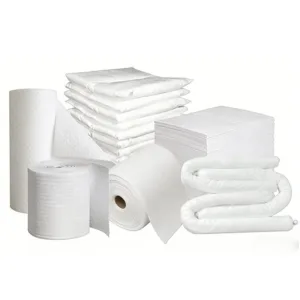
- Built with hydrophobic white polypropylene absorbents that repel pure water and absorb only hydrocarbon liquids
- Compatible liquids: diesel, gasoline, motor oil, hydraulic fluid, and jet fuel
- Suitable work zones: marinas, vehicle fleets, outdoor equipment yards, and waterfront storage areas
- Available formats: portable bag kits, compact bucket sets, and large 95-gallon drum spill kits
⚫ Universal Spill Kits for Mixed General Industrial Liquids
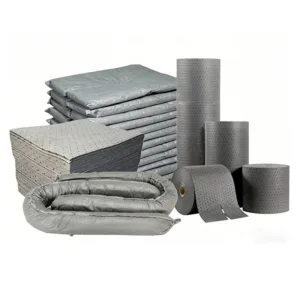
- Equipped with multi-purpose gray absorbents that soak up oil, water-based coolants, and mild non-corrosive fluids
- Best for mixed-use factories with multiple liquid storage types and unknown minor spills
- Product range includes drawstring sack packs, drum-mounted kits, and wheeled mobile spill carts
- Top pick for warehouses, light manufacturing plants, and auto repair garages with diverse liquid inventory
🟡 Hazmat Chemical Spill Kits for Corrosive & Hazardous Substance Leaks
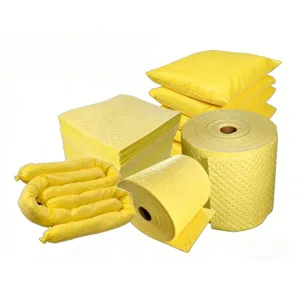
- Fitted with chemical-resistant yellow absorbents formulated to neutralize acids, solvents, and strong bases
- Pre-packed with full protective gear, neutralizer powders, and heavy-duty hazardous waste disposal bags
- Mandatory for sites storing materials with official SDS hazard documentation
- Specialized styles cover battery acid spills, lab chemical leaks, and large industrial hazardous waste releases
- OSHA mandates minimum First Responder Operations-level training for all staff handling hazmat spill cleanup
📋 Universal Spill Kit Inventory Checklist for Monthly OSHA Inspections
- Absorbent supplies matched to on-site liquid hazards
- Oil-only, universal, or hazmat absorbent pads sized to contain the maximum expected spill volume
- Absorbent socks and containment booms to build liquid barriers before cleanup begins
- Personal protective equipment for spill responders
- Nitrile chemical gloves; neoprene gloves required for highly corrosive fluids
- Safety goggles or full-face protective shields
- Disposable coveralls or waterproof chemical aprons (required exclusively for hazmat kits)
- Waste documentation and disposal accessories
- Minimum two heavy-duty waste bags with twist ties for contaminated absorbent storage
- Hazardous waste labeling stickers to meet 40 CFR 262 federal waste transport rules
- Printed spill response instruction cards for quick emergency reference
- Spill incident report forms for CERCLA Section 103 mandatory spill reporting
📏 Accurate Spill Kit Sizing Guidelines to Prevent Understock Compliance Failures
Spill Kit Size Matching Table for Common Industrial Storage Volumes
| Spill Scale | Standard Container Size | Recommended Spill Kit Type |
|---|---|---|
| Minor portable spills | Small vehicle tanks, 5-gallon jugs | Economy bag kits, 5-gallon bucket spill packs |
| Medium liquid leaks | Storage tanks up to 30 gallons | 20-gallon or 30-gallon drum spill kits |
| Large drum & IBC spills | 55-gallon metal/plastic drums | 55-gallon or 65-gallon drum spill kits |
| Mass facility-wide response | Multiple clustered drums, bulk storage | 95-gallon drum kits or wheeled mobile spill carts |
- Shared single central spill kits do not meet OSHA standards for multi-zone facilities
- Separate storage bays with drum inventory require individually sized spill kits for each isolated work area
⚖️ Core OSHA Regulatory Standards Inspectors Evaluate During Spill Kit Audits
- 29 CFR 1910.120 (HAZWOPER)
- Requires written facility emergency spill response plans and formally trained on-site responders
- Hazmat spill handling staff must complete certified First Responder Operations training
- 29 CFR 1910.38 (Emergency Action Plans)
- Enforces documented step-by-step procedures for all liquid spill emergency scenarios
- 29 CFR 1910.132 (General PPE Rules)
- Mandates hazard-matched protective gear stored alongside all spill kit absorbents
- 40 CFR 112 (EPA SPCC Oil Spill Rule)
- Applies to facilities holding more than 1,320 gallons of aboveground oil storage
- Requires dedicated oil spill prevention and rapid response protocols with oil-only absorbent kits
- Spill kits positioned within immediate reach of all liquid storage stations
- No expired, degraded, or missing absorbent supplies inside each kit
- All on-site staff hold documented spill kit usage training records
- PPE inside each kit is chemically compatible with stored liquids on-site
🧑🏫 Mandatory Spill Kit Training Content All Facility Employees Must Complete
- Spill hazard identification protocols
- Quick liquid classification to spot flammable, corrosive, or inhalation-risk spills
- Locating and reviewing SDS safety documents for all stored chemical substances
- Proper spill kit selection logic
- Matching oil-only, universal, or hazmat kits to the leaked liquid type
- Confirming the kit size can contain the full volume of the spilled container
- Standard PPE wearing sequence for spill response
- Step order: chemical gloves first, followed by eye protection, then disposable aprons or coveralls
- Safe spill containment and cleanup workflow
- Lay absorbent booms around spill edges before applying absorbent pads
- Never wipe spilled liquid toward the floor drains to avoid environmental contamination
- Regulated hazardous waste disposal steps
- All absorbents touching hazardous chemicals qualify as regulated waste
- Seal, label, and store contaminated materials in designated satellite waste zones following 40 CFR 262.15
- Permanent incident documentation requirements
- Log spill date, leaked liquid volume, cleanup actions, and waste disposal methods
- Retain all spill and training records in employee files for a minimum of three years
🔁 Year-Round Spill Kit Maintenance Schedule to Stay Audit Ready
- Monthly visual spot checks
- Confirm spill kits stay in designated, accessible storage locations
- Inspect all sealed packaging for damage, expiration, or cracked PPE
- Count absorbent pads, socks, and disposal bags to replenish missing stock early
- Immediate restock after every spill use
- Partially emptied spill kits count as non-compliant equipment during inspections
- Replace used polypropylene absorbent components separately without buying full replacement kits
- Annual full inventory audit cycle
- Count all absorbent supplies across every spill kit on the property
- Swap out compressed, discolored absorbents degraded by heat, humidity, or UV light exposure
- Update all employee spill training records and refresh printed instruction cards inside kits
❓ Frequently Asked Compliance Questions About Spill Kits & OSHA Rules
Can generic kitty litter replace industrial polypropylene absorbents for spill cleanup?
- Granular clay delivers far lower liquid absorption capacity than specialized industrial absorbents
- Kitty litter fails the hydrophobic standards required for a clean oil-only spill response near water
- Loose clay particles create severe slip hazards across concrete factory floors
Certified polypropylene absorbent spill kits remain the defensible, compliant solution for all official OSHA inspections.
Do absorbent pads inside spill kits carry formal expiration dates?
- Heat, constant moisture, and direct sunlight break down polypropylene absorbent fibers
- Replace any discolored, compressed, or crumbly absorbents stored longer than 3–5 years
- Store spare absorbent stock indoors in cool, shaded cabinets to extend usable lifespan
What waste classification applies to used absorbent materials post-spill cleanup?
- Absorbents soaked with non-hazardous coolants or mild oils qualify as regular industrial waste
- Materials contaminated with listed corrosive, toxic, or flammable chemicals become regulated hazardous waste
- When the liquid hazard status is unclear, facility managers should contact local state environmental agencies for official guidance
How many separate spill kits does a multi-zone industrial facility need?
✅ Final Takeaways for Fully OSHA-Compliant Spill Kit Operations
Maintaining regulation-ready spill kits relies on three consistent core actions: selecting the correct polypropylene absorbent kit variant matched to on-site liquids, completing recurring monthly maintenance checks, and delivering annual documented spill response training for every team member.
Facility managers who follow this guide avoid costly OSHA fines, eliminate uncontrolled chemical leak risks, and streamline emergency cleanup workflows during unexpected spills. Custom oil-only, universal, and hazmat spill kits built with high-performance polypropylene absorbents simplify long-term compliance for factories, marinas, vehicle fleets, and chemical storage facilities of all sizes.
Authoritative External Anchor Links (Natural Transition)
- You can read the full official text of OSHA’s HAZWOPER workplace spill response standards via the U.S. Department of Labor’s official safety portal: OSHA Hazardous Waste Operations & Emergency Response Standard
- The EPA’s SPCC oil spill prevention planning guide offers detailed sizing and storage rules for facilities holding large petroleum inventories: EPA SPCC Rule Facility Compliance Guidance
- The National Institute for Occupational Safety and Health publishes simplified spill response training frameworks for frontline industrial teams: NIOSH Workplace Hazardous Substance Emergency Response Guide