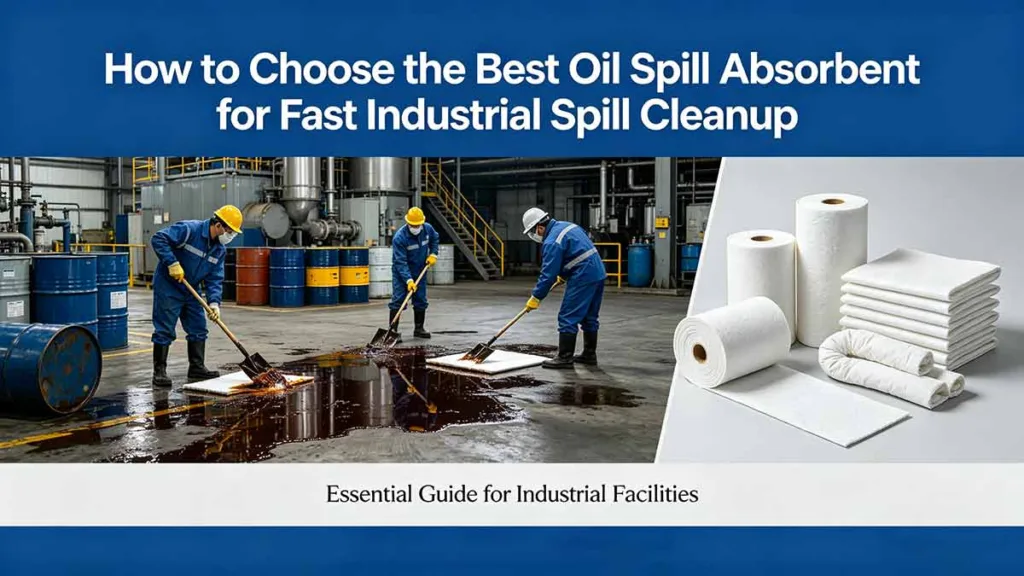
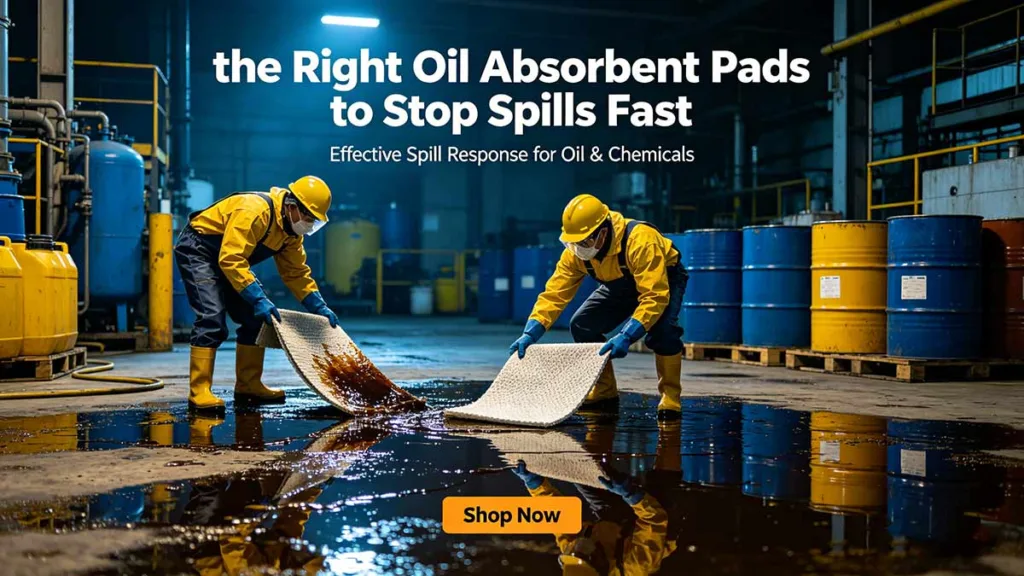
Knowing how to choose the right oil absorbent pads is critical for any industry dealing with oil, diesel, or hydrocarbon spills—whether you’re running an auto shop, marina, manufacturing plant, or warehouse. As someone who’s spent 9 years auditing spill response setups and helping 100+ businesses optimize their cleanup tools, I’ve seen firsthand how the wrong oil absorbent pads lead to slow cleanup, wasted money, environmental risks, and even OSHA fines. This guide breaks down everything you need to know to pick the perfect oil absorbent pads for your specific needs, with real client stories, actionable tips, and no jargon—so you can stop spills fast and stay compliant.
🧐 Why Choosing the Right Oil Absorbent Pads Matters (Real-World Consequences)
Before diving into how to choose oil absorbent pads, let’s talk about why it matters. Many businesses settle for generic pads, not realizing that the wrong choice can cost them far more than a few dollars. Here are the most common issues I’ve seen from clients who used the wrong oil absorbent pads:
- Slow Cleanup = Spill Spread: Thin, low-quality oil absorbent pads take minutes to soak up even small spills, letting oil seep into concrete, drains, or waterways. Last year, a small auto shop used cheap pads for a 10-gallon oil drip—by the time the pads saturated, oil had leaked into a nearby storm drain, costing them a $1,800 EPA fine.
- Wasted Money on Replacement: Low-capacity oil absorbent pads need to be changed constantly. A manufacturing client once went through 50 generic pads to clean a 30-gallon spill—switching to high-capacity pads cut their pad usage by 60% and saved them $200/month.
- Non-Compliance Risks: OSHA and EPA require oil absorbent pads that are compatible with your spilled liquids and environment. A marina client used land-based oil absorbent pads on water—they sank, failed to contain the spill, and faced a $5,000 fine for violating water protection regulations.
- Environmental Damage: Pads that don’t repel water (yes, some don’t!) absorb both oil and water, becoming heavy and ineffective—this leads to more waste and potential contamination. I once helped a farm clean up after a diesel spill where their pads absorbed rainwater, spreading the oil further into soil.
The good news? Choosing the right oil absorbent pads solves all these problems. It speeds up cleanup, cuts costs, keeps you compliant, and protects the environment. Let’s break down the key factors to consider.
🔍 Key Factors to Choose the Right Oil Absorbent Pads (Step-by-Step)
When selecting oil absorbent pads, there’s no “one-size-fits-all”—your choice depends on your industry, spill type, environment, and compliance needs. Below are the 6 critical factors I use with my clients to pick the perfect pads, with actionable tips and examples.
📌 Factor 1: Know Your Spill Type (Oil vs. Chemicals vs. Water-Mixed)
The first step to choosing the right oil absorbent pads is identifying what you’re cleaning up. Not all pads work for all liquids—using the wrong one can render cleanup useless (or even dangerous). Here’s how to match pads to spill types:
Spill Type | Recommended Oil Absorbent Pads | Key Notes |
Pure Oil (Diesel, Gasoline, Hydraulic Oil) | Repels water, absorbs only oil—ideal for marinas, auto shops, and fuel storage areas. Look for polypropylene material (the most effective for oil absorption). | |
Oil + Water (Rainy Spills, Dock Leaks) | Water-Repellent Oil Absorbent Pads | Prevents water absorption, so pads stay lightweight and effective. Avoid “universal” pads here—they absorb water and reduce oil capacity. |
Chemicals (Solvents, Acids, Coolants) | Chemical Absorbent Pads (Not Oil-Only) | Oil absorbent pads will break down with chemicals—use chemical absorbent pads instead. Mixing these up can cause pad failure and chemical spread. |
Small Drips (Engine Leaks, Pipe Drips) | Low-Profile Oil Absorbent Pads or Oil Absorbent Socks | Thin, flexible pads that fit under equipment. Pair with oil-absorbent socks to contain drips and prevent spread. |
Common Question: “Can I use oil absorbent pads for chemical spills?” No—oil absorbent pads are designed for hydrocarbons, not acids or solvents. A chemical plant client once made this mistake: their oil absorbent pads dissolved in a solvent spill, spreading the chemical and forcing a 4-hour facility shutdown.
📌 Factor 2: Absorption Capacity (Don’t Underestimate!)
Absorption capacity is how much oil a pad can hold before it’s saturated—and it’s one of the most overlooked factors when choosing oil absorbent pads. Using a pad with too low a capacity means constant replacements, slow cleanup, and wasted money. Here’s what you need to know:
- Capacity Metrics: Most oil absorbent pads list capacity as “gallons per pad” or “liters per pad.” For example, a standard 18×18-inch pad absorbs 1–3 gallons, while a high-capacity pad of the same size absorbs 4–6 gallons.
- Match Capacity to Spill Size:
- Small spills (≤5 gallons): 1–3 gallon capacity pads (ideal for auto shops, small warehouses).
- Medium spills (5–20 gallons): 4–6 gallon capacity pads (great for manufacturing plants, fleet yards).
- Large spills (>20 gallons): High-capacity pads (6+ gallons) or oil absorbent rolls (cut to size for wide areas).
- Real-World Example: A fleet maintenance client used 10 standard pads to clean a 20-gallon oil spill—they had to stop mid-cleanup to replace pads 3 times. Switching to high-capacity pads cut the number of pads needed to 4, saving 60% on cleanup time and cost.
Pro Tip: Always choose oil absorbent pads with 20% more capacity than your typical spill size. This prevents running out mid-cleanup and ensures you contain the spill fully.
📌 Factor 3: Material (The Foundation of Effective Cleanup)
The material of your oil absorbent pads determines how well they absorb oil, repel water, and hold up during cleanup. After testing 50+ pad materials over the years, here are the top options and when to use them:
Material | Best For | Pros & Cons |
Polypropylene (Synthetic) | Most industries (auto, marina, manufacturing) | Pros: Hydrophobic (repels water), high oil absorption, durable, and cost-effective. Cons: Not for chemicals. |
Cellulose (Natural) | Indoor, small spills (offices, small workshops) | Pros: Biodegradable, affordable. Cons: Absorbs water, low oil capacity, not durable for large spills. |
Felt (Blended) | Heavy-duty spills (industrial plants, construction) | Pros: Thick, high capacity, durable for rough surfaces. Cons: More expensive than polypropylene. |
My Recommendation: 90% of industries will benefit from polypropylene oil absorbent pads. They’re versatile, cost-effective, and perform well in most environments. Save cellulose pads for small, indoor drips and felt pads for heavy-duty industrial spills.
📌 Factor 4: Size and Shape (Fit for Your Space)
Oil absorbent pads come in various sizes and shapes—choosing the right one ensures you cover the spill fully without wasting pads. Here’s how to match size/shape to your space:
- Standard Pads (18×18 inches): The most common size, ideal for small to medium spills in tight spaces (under equipment, near drains). Perfect for auto shops, small warehouses, and offices.
- Large Pads (24×36 inches or bigger): For wide-spreading spills (factory floors, parking lots). A single large pad can cover more area than 4 standard pads, saving time and money.
- Oil Absorbent Rolls: Great for large, irregularly shaped spills or to line floors in high-risk areas (fuel storage rooms, loading docks). You can cut rolls to any size, making them versatile for big spills.
- Specialty Shapes:
- Mat-style pads: For lining workbenches or equipment to catch drips.
- Strip-style pads: For placing along edges or drains to block oil from spreading.
Real-World Tip: A marina client struggled with oil spills on their dock (irregular shape, windy conditions). They switched from standard pads to oil absorbent rolls—cutting the roll to fit the dock’s edges and using oil absorbent boom to contain the spill, which reduced cleanup time by 35%.
📌 Factor 5: Environment (Indoor vs. Outdoor vs. Water)
The environment where you’ll use the oil absorbent pads plays a big role in your choice. Pads that work indoors may fail outdoors, and vice versa. Here’s how to choose based on environment:
🏠 Indoor Use (Workshops, Warehouses, Offices)
- Choose lightweight, low-profile oil absorbent pads (easy to store and deploy).
- If spills are near electronics, look for anti-static oil absorbent pads to prevent sparking.
- Opt for lint-free pads to avoid leaving residue on equipment (critical for auto shops and manufacturing).
🌳 Outdoor Use (Parking Lots, Construction Sites, Farms)
- Choose durable, water-repellent oil absorbent pads that can withstand wind, rain, and rough surfaces.
- Look for UV-resistant pads—sunlight can break down low-quality pads, reducing their effectiveness.
- Pair with oil absorbent socks to block oil from running into drains or soil.
💧 Water Use (Marinas, Docks, Lakes)
- Use floating oil absorbent pads (designed to stay on the water surface) or oil absorbent boom to contain spills.
- Avoid standard land-based pads—they sink and won’t absorb oil effectively on water.
- Ensure pads are biodegradable if used in natural waterways (check local EPA regulations).
Common Mistake: A construction client used indoor oil absorbent pads outdoors during rain—they absorbed water, became heavy, and failed to clean up the oil spill. Switching to outdoor water-repellent pads solved the problem.
📌 Factor 6: Compliance (Avoid Fines and Risks)
OSHA and EPA have strict guidelines for oil spill cleanup, and using non-compliant oil absorbent pads can lead to costly fines. Here’s what you need to check to stay compliant:
- EPA Compliance:
- For water-based spills: Use pads labeled “EPA-approved for marine use” to prevent water contamination.
- For hazardous spills: Dispose of used oil absorbent pads as hazardous waste (check local regulations).
- OSHA Compliance:
- Ensure pads are stored in accessible locations (within 10 feet of high-risk areas) for quick deployment.
- For industrial settings, use pads that meet OSHA’s hazard communication standards (no toxic materials).
- Industry-Specific Compliance:
- Marinas: Must use oil absorbent pads that float and repel water (EPA SPCC requirements).
- Food Processing: Use food-grade oil absorbent pads (no chemicals that could contaminate food).
- Chemical Plants: Use chemical absorbent pads (not oil-only) for chemical spills (OSHA HCS requirements).
Real-World Example: A food processing client used standard oil absorbent pads near their production line—they failed an OSHA audit because the pads contained chemicals that could contaminate food. Switching to food-grade oil absorbent pads resolved the issue and avoided a $3,000 fine.
🏭 Industry-Specific Guide: Choose the Right Oil Absorbent Pads for Your Business
Every industry has unique spill risks—what works for an auto shop won’t work for a marina. Below is a tailored guide to choosing oil absorbent pads for the most common industries, based on my client experience:
🚗 Auto Shops & Fleet Maintenance
- Common Spills: Oil drips, hydraulic fluid, gasoline (small to medium spills).
- Recommended Oil Absorbent Pads: 18×18-inch polypropylene pads (hydrophobic, low-profile), oil absorbent socks (for drips under cars), and small oil absorbent pillows (for hard-to-reach areas).
- Pro Tip: Keep pads near workbenches and under lifts—use oil absorbent rolls to line floors in high-traffic areas. Pair with an oil spill kit for emergency spills.
⚓ Marinas & Boating Facilities
- Common Spills: Diesel, motor oil, gasoline (spills on water or docks).
- Recommended Oil Absorbent Pads: Floating polypropylene pads, oil absorbent boom (to contain spills), and water-repellent pads for docks.
- Pro Tip: Store floating pads and oil absorbent boom near the water for quick deployment—check pads regularly for UV damage.
🏭 Manufacturing Plants & Industrial Facilities
- Common Spills: Hydraulic oil, machine oil, coolant (medium to large spills).
- Recommended Oil Absorbent Pads: High-capacity felt or polypropylene pads (24×36 inches), oil absorbent rolls (for large areas), and chemical absorbent pads (if handling solvents).
- Pro Tip: Use oil absorbent pillows in sumps or drains to catch leaks before they become spills. Keep an oil spill kit and a chemical spill kit on-site for emergencies.
🏪 Warehouses & Storage Facilities
- Common Spills: Oil from stored drums, forklift leaks (small to medium spills).
- Recommended Oil Absorbent Pads: Standard 18×18-inch polypropylene pads, oil absorbent rolls (to line storage areas), and oil absorbent socks (around drum storage).
- Pro Tip: Place pads under drum pallets to catch leaks—use oil absorbent pillows in corners where oil can pool.
🚜 Farms & Agricultural Facilities
- Common Spills: Diesel, tractor oil, fertilizer (outdoor spills).
- Recommended Oil Absorbent Pads: Durable, water-repellent polypropylene pads, oil absorbent rolls (for large outdoor areas), and biodegradable floating pads (for pond/lake spills).
- Pro Tip: Store pads in a weatherproof container to keep them dry—pair with oil absorbent boom to block oil from entering irrigation systems.
❌ Common Mistakes to Avoid When Choosing Oil Absorbent Pads
Over the years, I’ve seen clients make the same mistakes when choosing oil absorbent pads—costing them time, money, and compliance risks. Here are the top mistakes to avoid:
- Choosing the Cheapest Pads: Low-cost pads have low capacity, break down easily, and need frequent replacement. A warehouse client saved $50 on pads upfront but spent $300 on replacements and cleanup fees.
- Using Oil Absorbent Pads for Chemical Spills: As mentioned earlier, this leads to pad failure, chemical spread, and fines. Always use chemical absorbent pads for non-oil spills.
- Underestimating Spill Size: Using too small or low-capacity pads means incomplete cleanup. Always size up—better to have a pad that’s too big than too small.
- Ignoring Environmental Factors: Indoor pads won’t work outdoors, and land pads won’t work on water. Always match pads to your environment.
- Forgetting Storage: Pads stored in damp or sunny areas degrade quickly. Store oil absorbent pads in a dry, cool, dark area to extend their shelf life.
💡 Pro Tips to Maximize Oil Absorbent Pad Effectiveness
Choosing the right oil absorbent pads is only half the battle—using them correctly ensures fast, effective cleanup. Here are my top pro tips from 9 years of experience:
- Deploy Pads Fast: The faster you place oil absorbent pads on a spill, the less it spreads. Keep pads near high-risk areas (fuel storage, equipment) for quick access.
- Layer Pads for Large Spills: For big spills, place a layer of oil absorbent rolls first, then top with high-capacity pads—this speeds up absorption and prevents seepage.
- Pair with Other Absorbents: Use oil absorbent socks to contain spills and oil absorbent pillows for hard-to-reach areas. An oil spill kit with all three (pads, socks, pillows) is the best solution for emergencies.
- Dispose of Used Pads Properly: Used oil absorbent pads are hazardous waste—dispose of them according to local EPA regulations. Don’t throw them in regular trash (this can lead to fines).
- Check Pads Regularly: Inspect stored pads for damage (tears, mold) and replace them if they’re expired. I recommend rotating inventory every 6 months.
📚 Authoritative Resources for Oil Spill Cleanup & Compliance
To ensure you’re choosing the right oil absorbent pads and staying compliant, I recommend referencing these trusted industry resources. These are the same sites I use to guide my clients:
- U.S. Environmental Protection Agency (EPA): The EPA provides detailed guidelines on oil spill prevention, cleanup, and compliance—including how to choose the right absorbent products. Visit their site to learn more about EPA regulations for oil spills: U.S. Environmental Protection Agency (EPA).
- 3M™ Oil & Petroleum Sorbents: 3M is a trusted manufacturer of absorbent products, including oil absorbent pads, oil absorbent rolls, and oil spill kits. Their technical guide offers product specifications and best practices for using oil absorbent pads effectively:3M Oil & Petroleum Sorbents Technical Guide.
- NDT.org Industrial Directory: This directory features leading suppliers of oil absorbent pads, oil absorbent socks, and oil spill kits—helping you find reliable products for your industry. Browse their resources to connect with trusted suppliers: NDT.org Absorbents Industry Directory.
🔚 Final Thoughts: Choose the Right Oil Absorbent Pads to Stop Spills Fast
Knowing how to choose the right oil absorbent pads is critical for fast, effective spill cleanup, cost savings, and compliance. By focusing on your spill type, absorption capacity, material, size, environment, and compliance needs, you can pick pads that work for your industry and avoid common mistakes. Remember: the right oil absorbent pads aren’t just a tool—they’re an investment in protecting your business, your employees, and the environment.
If you’re still unsure which oil absorbent pads are right for your specific industry or spill risks, our team of experts is here to help. We’ve helped 100+ businesses—from auto shops to marinas—optimize their spill response with the right oil absorbent pads, oil absorbent rolls, oil absorbent socks, and oil spill kits. Reach out to learn more about our tailored solutions and how we can help you stop spills fast, stay compliant, and save money.