Using absorbent pads for spill control is a staple in industries like auto repair, manufacturing, and marine operations, but I’ve seen countless facilities waste time, money, and risk non-compliance due to simple mistakes. As someone who’s audited spill response setups for 9 years—helping businesses optimize their oil spill kit and chemical spill kit stock—I’ve witnessed first-hand how small missteps with oil absorbent pads and chemical absorbent pads lead to environmental hazards, EPA fines, and inefficient cleanup. This guide breaks down the 8 most common mistakes, paired with actionable fixes and real client stories, to help you use absorbent pads correctly, get the most out of your spill control tools, and keep your operations safe and compliant.
⚠️ Why These Absorbent Pad Mistakes Matter (Real-World Impact)
Before diving into the mistakes, it’s critical to understand why getting absorbent pads right matters. Absorbent pads—whether oil absorbent pads, chemical absorbent pads, or the rolls and socks that complement them—are your first line of defense against spills. A single mistake can:
- Lead to environmental contamination (e.g., oil seeping into groundwater or chemicals spreading to nearby waterways)
- Result in EPA or OSHA fines (I’ve seen clients hit with $5,000+ penalties for improper spill control)
- Waste money (using the wrong absorbent pads or misusing them means buying more products and paying for cleanup)
- Put your team at risk (chemical spills left unchecked can cause slips, burns, or respiratory issues)
The good news? All these issues are avoidable. Below are the 8 most common mistakes I see, along with how to fix them—backed by the real experience of auditing 70+ facilities and helping auto shops, chemical plants, and marinas improve their spill control protocols.
❌ Mistake 1: Using Oil Absorbent Pads for Chemical Spills (and Vice Versa)
This is the most frequent and costly mistake I encounter. Many facilities stock a single type of absorbent pad and use it for every spill—whether it’s oil, gasoline, or hazardous chemicals. But oil absorbent pads and chemical absorbent pads are designed for distinct liquids, and mixing them up renders your spill control ineffective.
🔍 What Happens When You Mix Them Up?
- Oil absorbent pads on chemicals: Oil absorbent pads are made of polypropylene, which repels water and absorbs hydrocarbons (oil, diesel, gasoline). When used on chemicals like acids or solvents, the material can break down, causing the chemical to leak through—spreading the spill and creating a bigger hazard. I once audited a chemical plant that used oil absorbent pads for a sulfuric acid spill; the pads dissolved, leading to a 2-hour facility shutdown and $3,000 in cleanup costs.
- Chemical absorbent pads on oil: Chemical absorbent pads are designed to handle hazardous liquids, but they’re less efficient at absorbing oil. They’ll soak up water along with the oil, leading to saturated pads faster and more waste. A marina client once used chemical absorbent pads for a boat oil spill; they went through 3x more pads than needed, wasting $200 in a single cleanup.
✅ How to Fix It
Spill Type | Correct Absorbent Pad | Pro Tip |
Oil, diesel, gasoline | Oil absorbent pads (hydrophobic, repel water) | Pair with oil absorbent socks to contain the spill before placing pads |
Acids, solvents, hazardous chemicals | Chemical absorbent pads (chemical-resistant, absorb all liquids) | Store in a dedicated chemical spill kit with gloves and goggles |
Mixed spills (oil + water) | Oil absorbent pads (to target oil) + regular absorbent pads (for water) | Use oil absorbent booms to separate oil from water first |
A common question I get: “Can I use chemical absorbent pads for all spills to avoid confusion?” While they work for oil, they’re more expensive, so you’ll waste money on routine oil spills. The best solution is to label your oil spill kit and chemical spill kit clearly, and train staff to identify spill types quickly.
❌ Mistake 2: Underestimating Spill Size (Using Too Few Absorbent Pads)
Another common error is skimping on absorbent pads to save money. Many facilities use 1-2 pads for a spill, even if it’s larger than the pad’s absorption capacity. This leads to incomplete cleanup, spill spread, and more waste in the long run.
🔍 Real-World Example
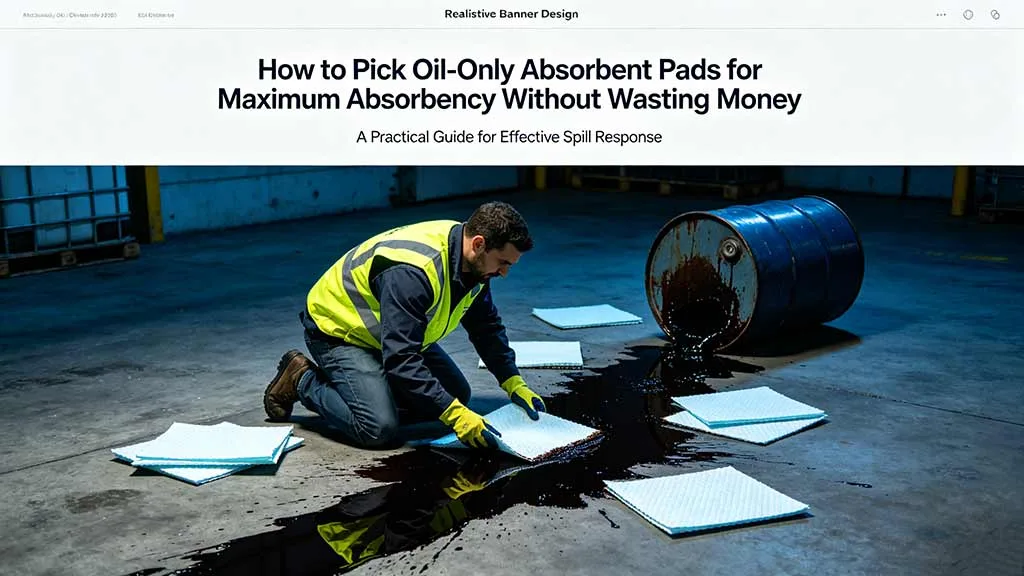
A small auto shop I worked with had a 10-gallon oil spill from a leaking engine. They used 2 oil absorbent pads (each absorbing 3 gallons) and thought the spill was contained. But the remaining 4 gallons seeped under the pads, spread to the floor drain, and resulted in an EPA fine of $1,500. They could have avoided this by using 4-5 pads (or a roll of oil absorbent rolls cut to size) to fully cover the spill.
✅ How to Fix It
- Know your pad’s capacity: Most oil absorbent pads absorb 2-5 gallons per pad, while chemical absorbent pads absorb 1-3 gallons (check the product label). Always have extra pads on hand—I recommend stocking 20% more than you think you’ll need.
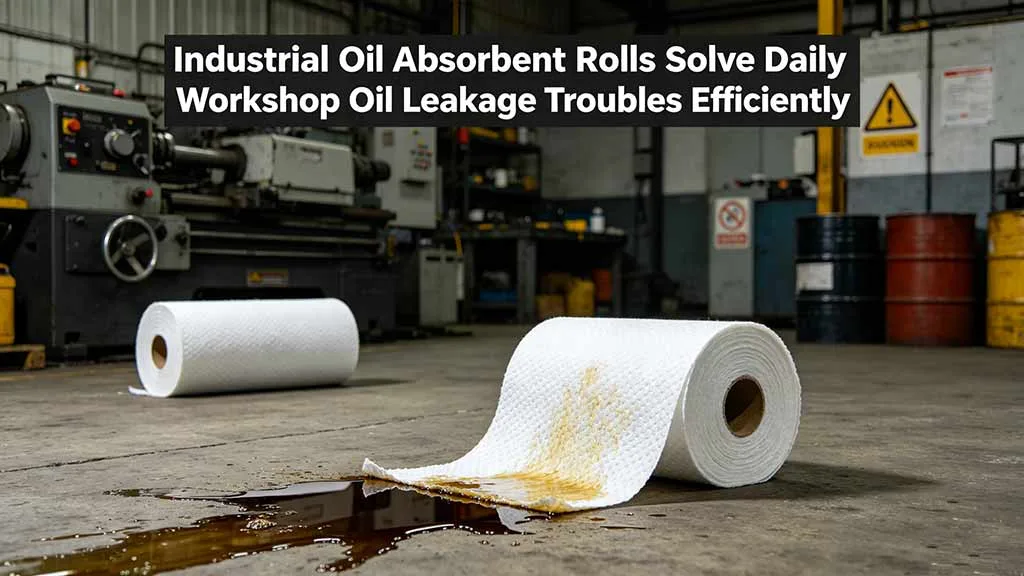
- Cover the entire spill: Place pads so they overlap by 2-3 inches to avoid gaps. For large spills, use oil absorbent rolls to cover wide areas quickly—they’re easier to cut to size and cover more ground than individual pads.
- Check for saturation: If a pad is fully saturated (no dry areas left), replace it immediately. Saturated pads can’t absorb more liquid and will start to leak.
Pro tip: For frequent small spills (like oil drips), keep a stack of oil absorbent pads near high-risk areas (e.g., under vehicles, near oil storage tanks) and a roll of oil absorbent rolls for larger, unexpected spills.
❌ Mistake 3: Placing Absorbent Pads Too Late (Waiting for Spills to Spread)
Spills spread fast—especially oil and chemicals. I’ve seen facilities wait 5-10 minutes to grab absorbent pads, giving the spill time to spread to drains, equipment, or even outside the workspace. The longer you wait, the harder (and more expensive) the cleanup becomes.
🔍 Why Timing Matters
- Oil spreads 1-2 feet per minute on concrete floors and even faster on water (if near a drain or waterway).
- Chemicals like solvents can evaporate quickly, creating fumes that put your team at risk—delaying cleanup increases exposure.
- Spills that reach drains are harder to clean and more likely to result in environmental fines (EPA penalties for drain contamination start at $2,500).
✅ How to Fix It
- Store absorbent pads nearby: Place oil absorbent pads and chemical absorbent pads in easy-to-reach locations—within 10 feet of high-risk areas (e.g., oil storage, chemical stations). Use wall-mounted dispensers for quick access.
- Train staff to act fast: Conduct monthly spill response drills to teach employees to grab absorbent pads immediately when a spill occurs. Even a 1-minute delay can make a big difference.
- Use absorbent socks first: For spreading spills, place absorbent socks around the perimeter to contain the spill before laying down pads. This stops the spill from spreading while you grab more pads.
A marina client implemented this fix and reduced spill cleanup time by 60%—they now keep oil absorbent pads and oil absorbent socks near every dock, and staff can deploy them in under 30 seconds.
❌ Mistake 4: Reusing Saturated Absorbent Pads (A Hidden Hazard)
To save money, many facilities reuse absorbent pads that are partially saturated. This is a dangerous mistake—saturated pads can’t absorb more liquid, and reusing them spreads the spill, contaminates equipment, and puts staff at risk.
🔍 What Happens When You Reuse Saturated Pads?
- Spill spread: Saturated pads leak the absorbed liquid when moved, spreading the spill to new areas. I once saw a warehouse reuse oil absorbent pads and accidentally spread oil to a nearby electrical panel—creating a fire hazard.
- Contamination: Reused pads transfer oil or chemicals to tools, equipment, and surfaces, leading to costly cleaning and potential damage.
- Health risks: Chemical absorbent pads that are reused can expose staff to hazardous materials through skin contact or fumes.
✅ How to Fix It
- Dispose of saturated pads immediately: Once a pad is fully saturated (no dry areas), place it in a sealed hazardous waste bag (included in most oil spill kit and chemical spill kit options) and dispose of it according to local regulations.
- Don’t cut corners: Reusing pads may save a few dollars upfront, but it leads to more expensive cleanup and fines down the line. Invest in enough pads to avoid reuse.
- Use absorbent pillows for bulk spills: For large spills, use oil absorbent pillows or chemical absorbent pillows alongside pads—they have higher absorption capacity and reduce the number of pads you need to use.
❌ Mistake 5: Storing Absorbent Pads Incorrectly (Rendering Them Useless)
Poor storage is one of the most overlooked mistakes. Absorbent pads—especially oil absorbent pads and chemical absorbent pads—lose their effectiveness if stored in damp, dirty, or extreme conditions. I’ve audited facilities where pads were stored in garages with standing water or near chemicals, making them useless when a spill occurred.
🔍 Common Storage Mistakes
- Storing in damp areas: Moisture causes absorbent pads to clump and lose absorption capacity. Oil absorbent pads stored in damp conditions won’t repel water effectively, making them useless for oil spills.
- Storing near chemicals: Chemical fumes can degrade the material of chemical absorbent pads, making them less resistant to hazardous liquids.
- Leaving pads uncovered: Dust, dirt, and debris clog the absorbent material, reducing how much liquid the pad can absorb. I once found a stack of oil absorbent pads left uncovered in a warehouse—they were so dirty, they could only absorb half their rated capacity.
✅ How to Fix It
- Store in a dry, clean area: Keep absorbent pads in a sealed container or cabinet, away from moisture, chemicals, and debris. A climate-controlled storage area is ideal, but even a dry closet works.
- Label storage containers: Clearly label containers for oil absorbent pads, chemical absorbent pads, and other spill control products to avoid confusion. Store oil spill kit and chemical spill kit supplies separately.
- Check expiration dates: Most absorbent pads have a shelf life of 1-2 years. Rotate your stock every 6 months to ensure you’re using fresh, effective pads.
Pro tip: For facilities with limited storage space, use stackable containers for absorbent pads and mount oil absorbent rolls on wall dispensers to save space and keep them clean.
❌ Mistake 6: Ignoring Absorbent Pad Compatibility with Surfaces
Not all absorbent pads work on all surfaces. Using the wrong pad for your workspace surface can lead to ineffective cleanup, surface damage, or even slip hazards. This is a mistake I see most often in facilities with concrete, metal, or sensitive equipment surfaces.
🔍 Surface Compatibility Guide
Surface Type | Recommended Absorbent Pad | What to Avoid |
Concrete/Floors | Oil absorbent pads (thick, durable) or oil absorbent rolls | Thin pads that tear easily on rough concrete |
Metal Equipment | Chemical absorbent pads (non-abrasive) or oil absorbent pads (lint-free) | Abrasive pads that scratch metal surfaces |
Sensitive Electronics | Lint-free oil absorbent pads or chemical absorbent pads (low-dust) | Pads with loose fibers that can get into electronics |
Outdoor/Ground | Heavy-duty oil absorbent pads or oil absorbent booms (to prevent seepage) | Lightweight pads that blow away or get buried in dirt |
✅ How to Fix It
- Assess your surfaces: Identify the main surfaces in your workspace (concrete, metal, etc.) and choose absorbent pads that are compatible.
- Test pads first: For sensitive surfaces (e.g., electronics, polished metal), test a small section of the pad to ensure it doesn’t scratch or leave residue.
- Pair with absorbent socks: On uneven surfaces (e.g., outdoor ground), use absorbent socks to contain the spill before placing pads—this prevents liquid from seeping under the pads.
❌ Mistake 7: Forgetting to Pair Absorbent Pads with Other Spill Control Tools
Absorbent pads are effective, but they work best when paired with other spill control tools like absorbent socks, absorbent pillows, and absorbent booms. Many facilities rely solely on pads, which leads to incomplete cleanup and wasted effort.
🔍 Real-World Example
A manufacturing plant had a 20-gallon chemical spill on its factory floor. They used 10 chemical absorbent pads but didn’t use absorbent socks to contain the spill. The chemical spread under the pads, seeped into the floor cracks, and required a professional cleanup crew—costing $8,000. If they had used chemical absorbent socks to contain the spill first, they could have cleaned it up with the pads alone.
✅ How to Fix It: Build a Complete Spill Control System
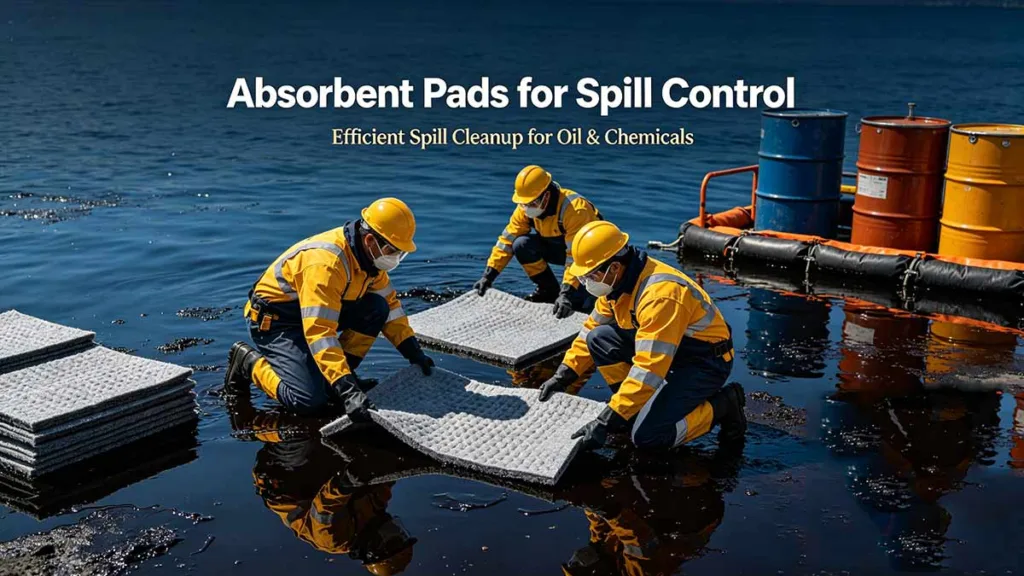
- For oil spills: Use oil absorbent booms to contain large spills (especially on water), oil absorbent socks to block drains and perimeter, oil absorbent pillows for bulk absorption, and oil absorbent pads to clean up remaining liquid. This is the setup I recommend for marinas and auto shops.
- For chemical spills: Use chemical absorbent socks to contain the spill, chemical absorbent pillows for bulk absorption, and chemical absorbent pads to clean up residue. Always wear PPE (gloves, goggles) from your chemical spill kit.
- For routine drips: Use oil absorbent pads or oil absorbent rolls under equipment, paired with small absorbent socks to catch drips before they spread.
Pro tip: Invest in a pre-stocked oil spill kit and chemical spill kit—they come with all the tools you need (pads, socks, pillows, PPE) to handle spills quickly and effectively.
❌ Mistake 8: Not Training Staff on Proper Absorbent Pad Use
Even the best absorbent pads are useless if your staff doesn’t know how to use them correctly. I’ve audited facilities with top-of-the-line oil absorbent pads and chemical absorbent pads, but staff were using them wrong—leading to spills, waste, and non-compliance.
🔍 Common Staff Training Gaps
- Staff can’t tell the difference between oil absorbent pads and chemical absorbent pads.
- They don’t know how many pads to use for different spill sizes.
- They don’t know how to dispose of used pads properly.
- They don’t know how to pair pads with other spill control tools (socks, booms, pillows).
✅ How to Fix It
- Conduct regular training: Hold monthly spill response training sessions to teach staff how to identify spill types, choose the right absorbent pads, and use them correctly. Include hands-on demonstrations with your oil spill kit and chemical spill kit.
- Post visual guides: Hang posters near absorbent pad storage areas showing how to use pads, which pad to use for each spill type, and how to dispose of them.
- Assign a spill response lead: Designate one staff member to be the go-to for spill control questions—they can train new employees and ensure protocols are followed.
- Do mock spills: Conduct quarterly mock spill drills to test staff’s response time and ability to use absorbent pads correctly. This helps identify training gaps before a real spill occurs.
A chemical plant client implemented this training and reduced spill-related incidents by 75% in 6 months. Staff now feel confident using absorbent pads and other spill control tools, and cleanup time has been cut in half.
📋 How to Avoid These Mistakes (Quick Checklist)
Print this checklist and keep it near your absorbent pad storage areas to ensure your team follows best practices:
- Use oil absorbent pads for oil spills and chemical absorbent pads for chemical spills—never mix them.
- Use enough pads to cover the entire spill (overlap by 2-3 inches).
- Deploy pads immediately—don’t wait for spills to spread.
- Dispose of saturated pads immediately—never reuse them.
- Store pads in a dry, clean, labeled container.
- Choose pads compatible with your workspace surfaces.
- Pair pads with absorbent socks, pillows, and booms for complete cleanup.
- Train staff regularly on proper pad use and spill response.
🌐 Authoritative Resources for Spill Control Best Practices
To learn more about using absorbent pads, oil spill kits, chemical spill kits, and other spill control tools effectively, I recommend visiting these industry authority websites—they provide expert guidelines, safety standards, and product recommendations that I reference regularly when working with clients:
- U.S. Environmental Protection Agency (EPA): The EPA offers detailed guidelines on spill prevention, response, and disposal, including best practices for using absorbent pads and other spill control products. Visit their site to ensure your operations comply with federal regulations: U.S. Environmental Protection Agency (EPA).
- 3M™ Oil & Petroleum Sorbents: 3M is a trusted manufacturer of absorbent products, including oil absorbent pads, chemical absorbent pads, and spill kits. Their technical guide provides product specifications and proper usage tips to help you get the most out of your absorbent tools: 3M Oil & Petroleum Sorbents Technical Guide.
- NDT.org Industrial Directory: This directory features leading suppliers of absorbent products (including pads, rolls, socks, and booms) and industry resources to help you find reliable spill control solutions for your oil spill kit and chemical spill kit: NDT.org Absorbents Industry Directory.
🔚 Final Thoughts: Mastering Absorbent Pads for Effective Spill Control
Using absorbent pads for spill control is simple—if you avoid these 8 common mistakes. By choosing the right absorbent pads (oil absorbent pads for oil, chemical absorbent pads for chemicals), using enough pads, acting fast, storing them correctly, and training your staff, you can keep your workspace safe, compliant, and free from spill-related hazards. Remember, absorbent pads work best when paired with other spill control tools like absorbent socks, absorbent rolls, and absorbent pillows—investing in a complete oil spill kit and chemical spill kit will save you time, money, and headaches in the long run.
If you’re unsure which absorbent pads, rolls, socks, or spill kits are right for your facility—whether you’re a small auto shop, a large manufacturing plant, or a marina—our team of experts can help. We specialize in providing high-quality spill control products tailored to your specific needs, and we’re here to answer your questions about using absorbent pads for spill control effectively. Reach out to learn more and ensure your spill response is always ready.