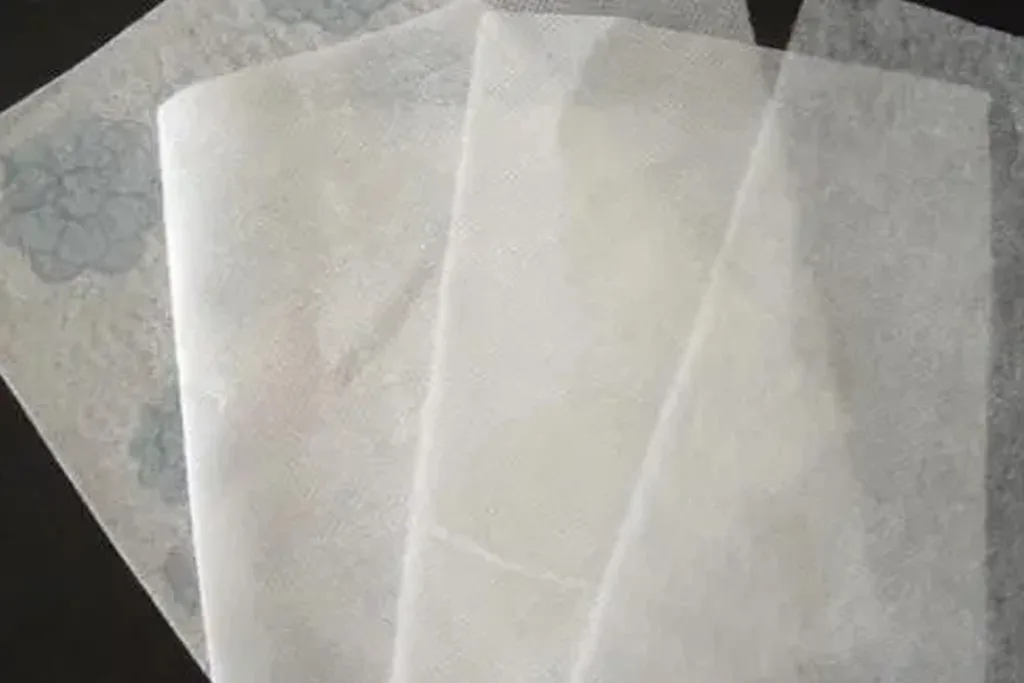
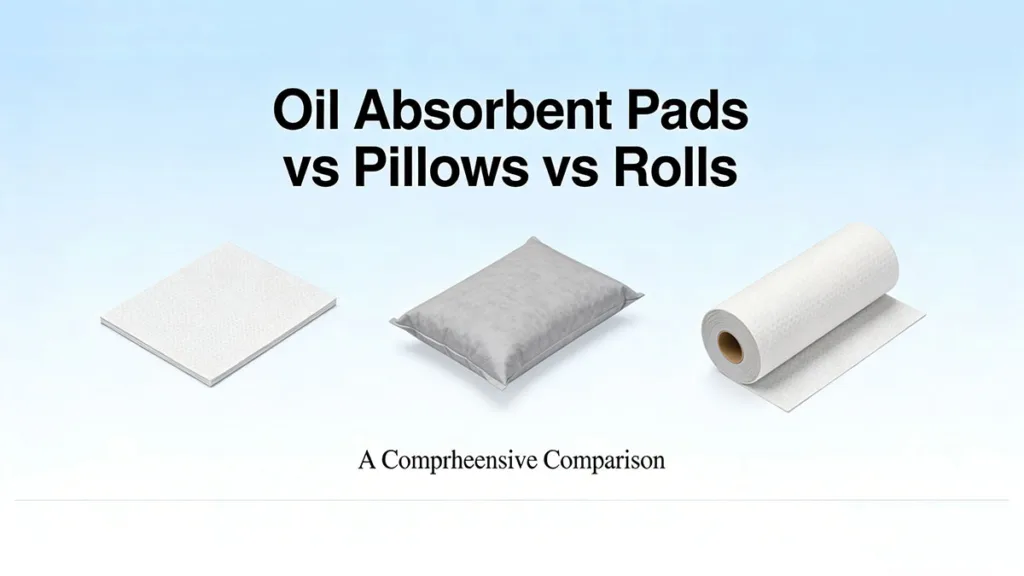
Oil Absorbent Pads vs Pillows vs Rolls: Which Saves You Time & Money in Spill Cleanup? For businesses in industries like manufacturing, automotive, petrochemicals, or food processing, oil and liquid spills are unavoidable—but choosing the wrong absorbent product can waste time, money, and resources. Whether you’re dealing with a small drip under a machine or a large-scale industrial spill, selecting the right oil absorbent solution directly impacts cleanup efficiency, labor costs, and compliance with safety standards.
This guide breaks down the key differences between oil absorbent pads, pillows, and rolls, helping you make an informed choice that cuts costs and streamlines your spill response process.
📌 What Are Oil Absorbent Pads, Pillows, and Rolls? A Quick Overview
Before diving into the comparison, it’s important to understand what each oil absorbent product is, how it’s designed, and its core purpose. All three options are made from absorbent materials (typically polypropylene, a durable, oil-loving material that repels water) but differ in shape, size, and intended use. Below is a simple breakdown of each product:
🔹 Oil Absorbent Pads
Oil absorbent pads are flat, thin sheets (usually 17×19 inches or similar sizes) designed for quick, targeted cleanup of small to medium spills. They’re lightweight, easy to store, and disposable, making them ideal for everyday use in areas prone to minor leaks—like machine workstations, garage floors, or loading docks. Most pads are either “oil-only” (repel water, perfect for outdoor or wet spills) or “universal” (absorb oil, water, and other non-corrosive liquids).
Key traits of oil absorbent pads:
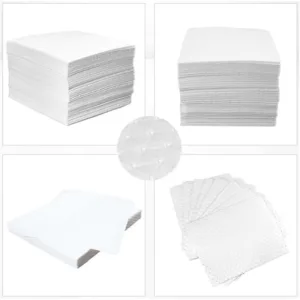
- Flat, thin design for easy placement in tight spaces (under machines, along edges)
- Fast absorption rate (3-5 seconds for small spills)
- Disposable, reducing cleanup time after use
- Available in oil-only or universal variants
- Affordable per unit, ideal for frequent, small spills
🔹 Oil Absorbent Pillows
Oil absorbent pillows are thick, pillow-shaped bags filled with absorbent material (polypropylene fibers or eco-friendly inorganic porous materials). They’re larger and more absorbent than pads, designed for medium to large spills, or for containing spills in hard-to-reach areas (like corners, under equipment, or in bodies of water). Pillows are also reusable in some cases (if cleaned properly) and can absorb up to 50 times their weight in oil.
Key traits of oil absorbent pillows:

- Thick, pillow-like design for high absorption capacity
- Can be used on land or water (oil-only pillows float on water)
- Ideal for containing and absorbing large spills or pooling oil
- Reusable (some models) for cost savings over time
- Less prone to tearing than pads, even when saturated
🔹 Oil Absorbent Rolls
Oil absorbent rolls are long, continuous sheets of absorbent material (similar to paper towels) that can be cut to any length. They’re designed for covering large areas, preventing spills from spreading, or lining floors/ surfaces to catch drips before they become spills. Rolls are versatile, making them a staple in warehouses, manufacturing plants, and commercial facilities with large floor spaces.
Key traits of oil absorbent rolls:

- Continuous design, cut to custom lengths for flexibility
- Covers large areas to prevent spill spread
- Ideal for proactive spill prevention (lining floors, machine bases)
- Can be used for both small drips and large spills
- Cost-effective for high-volume use
📊 Oil Absorbent Pads vs Pillows vs Rolls: Performance Comparison
To determine which product saves you time and money, we’ll compare their performance across key metrics: absorption capacity, cleanup speed, ease of use, versatility, and durability. This comparison will help you match each product to your specific spill scenario.
🔹 Absorption Capacity: How Much Can Each Product Hold?
Absorption capacity directly impacts how many products you need to clean up a spill—more capacity means fewer products used, saving money and reducing waste. Below is a detailed comparison of absorption capacity for standard sizes of each product:
Product Type | Standard Size | Absorption Capacity (per unit) | Absorption Ratio (weight of oil vs product weight) |
|---|---|---|---|
Oil Absorbent Pads | 17×19 inches | 1-2 quarts of oil | 20-30x (absorbs 20-30x its weight) |
Oil Absorbent Pillows | 16×18 inches | 3-5 quarts of oil | 40-50x (absorbs 40-50x its weight) |
Oil Absorbent Rolls | 30 inches wide x 100 feet long | 1 quart per square foot | 25-35x (absorbs 25-35x its weight) |
Key takeaway: Oil absorbent pillows have the highest absorption capacity per unit, making them ideal for large spills. Rolls are best for covering large areas, while pads are perfect for small, targeted spills. For example, a 5-quart spill would require 3-5 pads, 1-2 pillows, or 5 square feet of roll—pillows save you from using multiple products, cutting costs and cleanup time.
🔹 Cleanup Speed: Which Product Works Faster?
Cleanup speed is critical for minimizing downtime, preventing slip hazards, and reducing the risk of environmental damage. Faster absorption means less time spent on cleanup, saving labor costs and keeping your facility running smoothly.
Speed comparison (for a 1-quart oil spill):
- Oil Absorbent Pads: 3-5 seconds to fully absorb the spill—fastest for small spills, as they lay flat and make direct contact with the oil.
- Oil Absorbent Rolls: 5-10 seconds per square foot—slower than pads but faster than pillows for large areas, as you can cover the entire spill quickly.
- Oil Absorbent Pillows: 10-15 seconds to fully absorb—slower than pads and rolls for small spills, but faster for large spills (since one pillow can absorb more than multiple pads).
Pro tip: For small, frequent spills (like machine drips), pads are the fastest option. For large, sudden spills (like a ruptured drum), pillows or rolls (cut to size) are more efficient—they cover more area and absorb more oil in less time than using dozens of pads.
🔹 Ease of Use: How Much Time Does Setup & Cleanup Take?
Ease of use directly impacts labor time—products that are easy to store, deploy, and dispose of save you time and money. Here’s how each product stacks up:
- Oil Absorbent Pads:
- Storage: Compact, fits in small cabinets or under workstations—no extra storage space needed.
- Deployment: Simply grab a pad and place it on the spill—no cutting or preparation required.
- Disposal: Disposable, so you can throw it away after use (check local regulations for hazardous waste disposal).
- Oil Absorbent Pillows:
- Storage: Bulkier than pads, requires more storage space (stackable, but takes up more room).
- Deployment: Place directly on the spill—no preparation, but heavier than pads, so moving multiple pillows may take extra time.
- Disposal: Disposable or reusable—reusable pillows require cleaning (rinsing and drying) before reuse, which adds time but saves money long-term.
- Oil Absorbent Rolls:
- Storage: Requires space for the roll (typically mounted on a wall or stored in a large cabinet).
- Deployment: Cut to the desired length with scissors or a cutter—adds a few seconds, but allows for custom sizes.
- Disposal: Disposable, but larger pieces may require more effort to dispose of (especially for large cuts).
🔹 Versatility: Which Product Works for Multiple Scenarios?
Versatility is key for businesses that deal with different types of spills (small/large, oil/water, indoor/outdoor). A versatile product can handle multiple scenarios, reducing the need to stock multiple types of absorbents—saving money and storage space.
- Oil Absorbent Pads: Versatile for small to medium spills, indoor or outdoor, oil-only or universal. Best for everyday use but limited to small areas.
- Oil Absorbent Pillows: Versatile for medium to large spills, indoor or outdoor, and work on water (oil-only pillows float). Ideal for hard-to-reach areas (corners, under equipment) but not practical for small drips.
- Oil Absorbent Rolls: Most versatile—can be cut to any size, used for small drips, large spills, or proactive prevention (lining floors). Works indoors or outdoors, but less effective on water (sinks or floats depending on the material).
Key question: What’s the most common spill scenario in your facility? If you have a mix of small and large spills, rolls are the most versatile. If you mostly deal with small drips, pads are best. If you have large or hard-to-reach spills, pillows are the way to go.
🔹 Durability: How Well Do They Hold Up During Cleanup?
Durability matters—flimsy absorbents can tear during cleanup, spreading the spill further and requiring more products. A durable product reduces waste and saves time.
- Oil Absorbent Pads: Thin and prone to tearing when saturated, especially if pulled or stepped on. Best for light cleanup (no heavy foot traffic or equipment).
- Oil Absorbent Pillows: Thick and durable, even when saturated—less likely to tear. Can be moved around (even when full) without spilling absorbed oil. Ideal for heavy-duty cleanup.
- Oil Absorbent Rolls: Moderately durable—thicker than pads but can tear if pulled too hard. Best for flat surfaces with minimal foot traffic during cleanup.
💸 Cost Comparison: Which Product Saves You Money?
Cost is a critical factor for any business—choosing the right absorbent product can reduce long-term costs by minimizing waste, labor, and product usage. Below is a cost comparison (based on standard market prices) for each product, including both upfront and long-term costs:
🔹 Upfront Cost (Per Unit/ Roll)
Product Type | Unit Size | Cost Per Unit | Cost Per Quart Absorbed |
|---|---|---|---|
Oil Absorbent Pads | 17×19 inches (1-2 quarts absorption) | $0.50-$1.00 per pad | $0.25-$1.00 per quart |
Oil Absorbent Pillows | 16×18 inches (3-5 quarts absorption) | $2.00-$3.00 per pillow | $0.40-$1.00 per quart |
Oil Absorbent Rolls | 30 inches x 100 feet (1 quart per square foot) | $20.00-$30.00 per roll | $0.27-$0.40 per quart |
🔹 Long-Term Cost Factors
Upfront cost is only part of the equation—long-term costs include labor, waste disposal, and product replacement. Here’s how each product impacts long-term costs:
- Oil Absorbent Pads:
- Labor: Fast to deploy and dispose of, but requires more units for large spills—more labor time spent grabbing and throwing away pads.
- Waste Disposal: More waste (multiple pads per spill), which may increase disposal costs (especially for hazardous waste).
- Replacement: Frequent replacement for businesses with frequent small spills—adds up over time.
- Oil Absorbent Pillows:
- Labor: Fewer units needed per spill, so less labor time spent deploying and disposing.
- Waste Disposal: Less waste (1-2 pillows per large spill), reducing disposal costs.
- Replacement: Reusable options save money long-term—no need to replace after every use (if cleaned properly).
- Oil Absorbent Rolls:
- Labor: Custom cutting adds a few seconds, but covers large areas quickly—less labor time for large spills.
- Waste Disposal: Less waste than pads (cut only what you need), reducing disposal costs.
- Replacement: One roll covers more area than a box of pads, so less frequent replacement—saves money for high-volume use.
Key takeaway: For businesses with frequent small spills, pads are cheaper upfront but more expensive long-term. For large spills or high-volume use, rolls or reusable pillows are more cost-effective. For example, a manufacturing plant with weekly large spills could save 30-40% annually by switching from pads to pillows or rolls.
📍 Which Oil Absorbent Is Right for Your Business? (By Industry/ Scenario)
The best oil absorbent product depends on your industry, the type of spills you deal with, and your facility size. Below is a breakdown of which product works best for common scenarios, helping you choose the right solution to save time and money:
🔹 Automotive Repair Shops
Common spills: Small oil drips, transmission fluid leaks, brake fluid spills (small to medium, indoor).
Best product: Oil absorbent pads—fast, compact, and affordable for frequent small spills. Keep pads under workbenches and near vehicles to catch drips before they spread. For occasional larger spills (e.g., a ruptured oil pan), keep a few pillows on hand.
🔹 Manufacturing Plants
Common spills: Large oil spills, coolant leaks, hydraulic fluid spills (medium to large, indoor/outdoor).
Best product: Oil absorbent rolls—versatile, can be cut to size to cover large floors or line machine bases. For hard-to-reach areas (under large machinery), use pillows. Rolls also help with proactive prevention, reducing the number of spills in the first place.
🔹 Petrochemical Facilities
Common spills: Large oil spills, chemical spills (large, indoor/outdoor, may involve water).
Best product: Oil absorbent pillows (oil-only or chemical-resistant variants)—high absorption capacity, durable, and works on water. Use oil-only pillows for outdoor spills on water to contain and absorb oil without absorbing water. For large areas, use rolls to cover the spill perimeter and prevent spread.
🔹 Food Processing Plants
Common spills: Cooking oil spills, grease drips (small to medium, indoor, may involve water).
Best product: Universal oil absorbent pads—absorb both oil and water, ideal for spills near sinks or cleaning stations. Pads are disposable, ensuring hygiene and compliance with food safety standards. For larger grease spills (e.g., from fryers), use pillows to absorb more volume quickly.
🔹 Warehouses & Distribution Centers
Common spills: Oil leaks from forklifts, chemical spills from stored containers (small to large, indoor).
Best product: Oil absorbent rolls—cover large floor areas to prevent spills from spreading under pallets or inventory. Cut rolls to line storage areas for containers that are prone to leaks. Keep pads on hand for small drips from forklifts or equipment.
❓ Common Questions About Oil Absorbent Pads, Pillows, and Rolls (FAQ)
To further help you make an informed decision, here are answers to the most common questions about oil absorbent products—addressing user pain points and providing valuable insights that keep readers engaged (and reduce bounce rates):
🔹 Q: Are oil absorbent pads, pillows, and rolls eco-friendly?
A: Many modern oil absorbent products are eco-friendly—made from recycled polypropylene or biodegradable materials. Look for products labeled “eco-friendly” or “biodegradable” to reduce your environmental impact. Additionally, some pillows are reusable, which further reduces waste. Avoid products with harmful chemicals, as they can contaminate soil or water when disposed of.
🔹 Q: Can oil absorbent products be used on water?
A: Yes, but only oil-only products (pads, pillows, or rolls). Oil-only absorbents repel water, so they float on the surface and absorb only oil—perfect for outdoor spills on lakes, rivers, or parking lots after rain. Universal absorbents (which absorb water and oil) are not ideal for water spills, as they will absorb water first and become saturated quickly.
🔹 Q: How do I dispose of used oil absorbent products?
A: Disposal depends on the type of liquid absorbed. If the product absorbed non-hazardous oil (e.g., cooking oil, motor oil), it can usually be disposed of in the regular trash (check local regulations). If it absorbed hazardous chemicals (e.g., hydraulic fluid, chemicals), it must be disposed of as hazardous waste—contact a local waste disposal company for proper handling. Reusable pillows can be cleaned (rinsed with a solvent) and reused if they’re not contaminated with hazardous materials.
🔹 Q: How long do oil absorbent products last in storage?
A: Most oil absorbent products have a shelf life of 2-3 years if stored properly. Store them in a cool, dry place, away from moisture, heat, and direct sunlight. Avoid storing them near chemicals or oil, as this can reduce their absorption capacity. Check the packaging for expiration dates, and replace any products that are discolored, torn, or damp.
🔹 Q: Can I use oil absorbent products for chemical spills?
A: Yes, but you need to use chemical-resistant absorbents (often labeled “chemical absorbent pads/pillows/rolls”). Regular oil absorbents are not designed to handle corrosive chemicals (e.g., acids, bases) and may break down, spreading the chemical further. Chemical-resistant products are made from materials that repel corrosive substances and safely absorb them—always check the product label to ensure it’s compatible with the chemical you’re dealing with.
✅ Final Recommendations: Choose the Right Oil Absorbent to Save Time & Money
After comparing oil absorbent pads vs pillows vs rolls, the best product for your business depends on your specific needs—but here’s a quick summary to help you decide:
- Choose oil absorbent pads if: You deal with frequent small spills, need a compact, affordable option, and prioritize fast cleanup for minor drips.
- Choose oil absorbent pillows if: You deal with medium to large spills, need high absorption capacity, work in hard-to-reach areas, or want a reusable option to save money long-term.
- Chooseoil absorbent rolls if: You need versatility, have large floor areas, want to prevent spills proactively, or deal with a mix of small and large spills.
Remember, the goal is to choose a product that minimizes cleanup time, reduces waste, and fits your budget—this will not only save you money but also keep your facility safe and compliant. For businesses with mixed spill scenarios, a combination of products (e.g., pads for small spills, rolls for large areas, pillows for hard-to-reach spots) is often the most effective solution.
Oil Absorbent Pads vs Pillows vs Rolls: Which Saves You Time & Money in Spill Cleanup? The answer is simple—choose the product that matches your most common spill scenario, and you’ll see immediate savings in time, labor, and product costs. If you’re unsure which product is right for your facility, our team of experts can help you assess your needs and recommend the best solution to streamline your spill cleanup process.