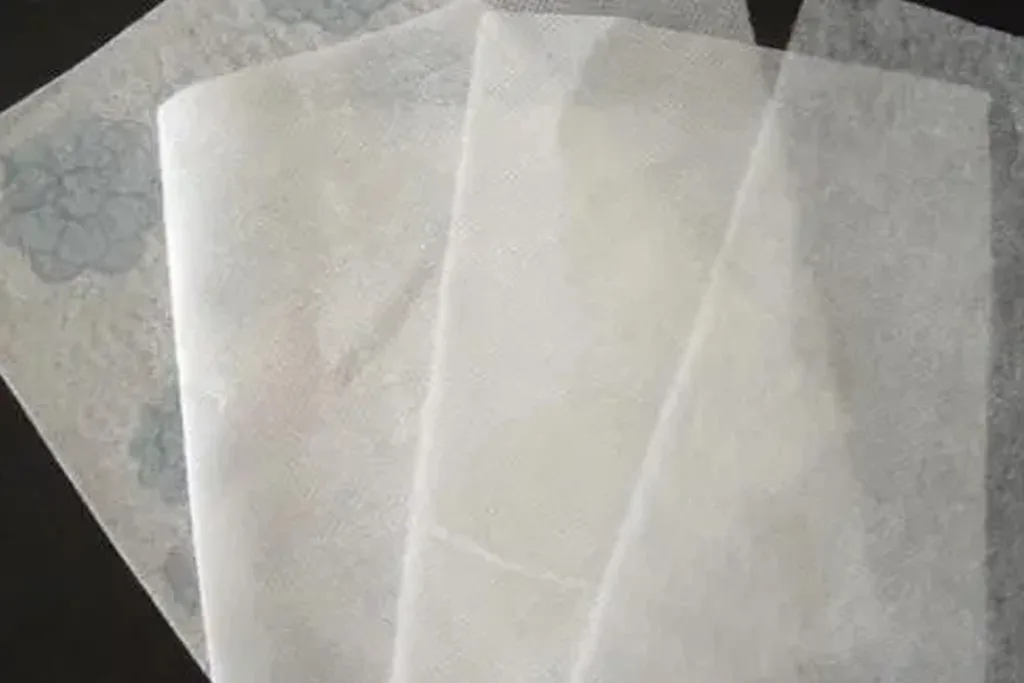
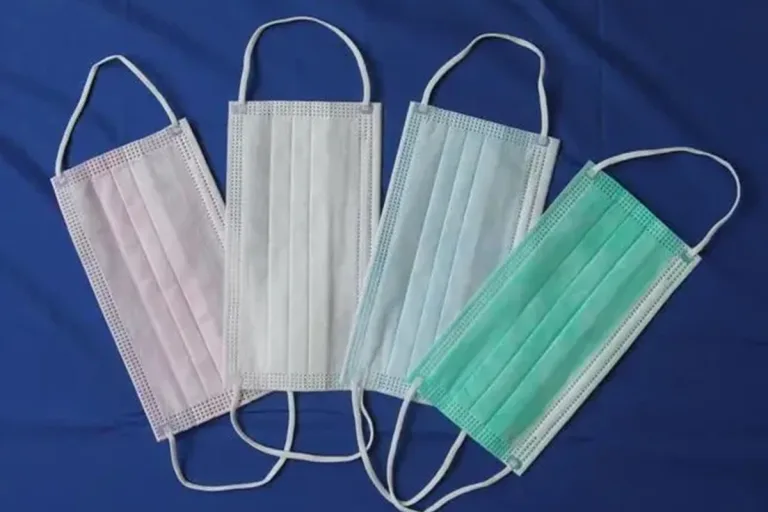
When it comes to manufacturing high-quality masks, the choice of nonwoven fabric is paramount. As the primary raw material in mask production, nonwoven fabrics directly determine the protective performance, comfort, and overall user experience of the final product. Whether you’re a procurement specialist, manufacturer, or concerned consumer, understanding what makes a superior mask nonwoven fabric is essential for making informed decisions.
In this comprehensive guide, we’ll explore the critical properties that define excellent mask nonwoven materials, how these characteristics impact performance, and what to look for when selecting nonwoven fabrics for mask production.
Why Nonwoven Fabric Quality Matters in Masks
Masks serve as a critical barrier against airborne particles, droplets, and microorganisms. The nonwoven fabric used in their construction must balance multiple, sometimes competing, requirements:
Effective filtration to block harmful particles
Comfortable breathability for extended wear
Durability to maintain integrity during use
Skin-friendliness to prevent irritation
Understanding these properties helps manufacturers produce masks that meet regulatory standards while satisfying end-user expectations.
Essential Properties of High-Quality Mask Nonwoven Fabric
1. Filtration Efficiency
The primary function of any mask is to filter out harmful particles. Filtration efficiency refers to the fabric’s ability to capture particles of specific sizes, including:
Particulate matter (PM2.5, PM10)
Bacteria and viruses
Droplets and aerosols
Pollen and allergens
Key factors affecting filtration:
| Factor | Impact on Filtration |
|---|---|
| Fiber diameter | Smaller fibers create denser networks for better particle capture |
| Layer structure | Multiple layers with different functions enhance overall efficiency |
| Electrostatic charge | Charged fibers attract and trap particles electrostatically |
| Fabric density | Higher density improves filtration but may reduce breathability |
For medical-grade masks, filtration efficiency must meet specific standards:
Surgical masks: ≥95% bacterial filtration efficiency (BFE)
N95 respirators: ≥95% filtration of 0.3μm particles
2. Breathability (Air Permeability)
While filtration is crucial, a mask that’s difficult to breathe through will be uncomfortable and may lead to improper use. Breathability measures how easily air passes through the fabric.
Why breathability matters:
User compliance: People wear comfortable masks longer and more consistently
Reduced heat buildup: Prestuffiness and moisture accumulation
Speech clarity: Easier communication when breathing isn’t labored
Extended wear: Healthcare workers often wear masks for entire shifts
Measuring breathability:
Breathability is typically measured as pressure drop (ΔP) — the resistance air encounters when passing through the fabric. Lower pressure drop indicates better breathability. Quality mask nonwovens balance high filtration with low pressure drop.
3. Bacterial Filtration Efficiency (BFE)
Specifically important for medical masks, BFE measures the fabric’s ability to block bacteria-sized particles (typically 3μm). High-quality nonwoven fabrics achieve:
BFE ≥98% for standard surgical masks
BFE ≥99% for high-performance medical masks
This property depends on fiber density, layer construction, and any antimicrobial treatments applied.
4. Particle Filtration Efficiency (PFE)
PFE measures filtration of smaller particles (0.1μm), which is critical for respirators and masks designed to block viruses. Quality nonwovens used in N95/KN95 masks achieve:
PFE ≥95% for 0.3μm particles
Consistent performance across the entire fabric area
5. Fluid Resistance
For medical applications, masks must resist penetration by blood and other bodily fluids. This property is measured by:
Synthetic blood penetration test (ASTM F1862)
Different levels (80 mmHg, 120 mmHg, 160 mmHg) for various applications
High-quality nonwoven fabrics incorporate hydrophobic treatments or specialized fiber structures to achieve fluid resistance without compromising breathability.
6. Softness and Skin Compatibility
Masks contact facial skin for extended periods, making comfort essential:
Non-irritating fibers: Hypoallergenic materials prevent rashes and discomfort
Smooth surface texture: Reduces friction against skin
Latex-free construction: Accommodates users with allergies
ES (Ethylene-Propylene) bicomponent fibers are particularly valued for their softness in mask inner layers.
7. Mechanical Strength
During use, masks must withstand:
Stretching when donning and doffing
Tearing from adjustment or accidental snags
Moisture from breath and sweat
Quality nonwovens maintain structural integrity throughout the intended wear period.
8. Electrostatic Adsorption Capacity
Many high-performance masks rely on meltblown nonwoven layers with electrostatic charge to enhance filtration without increasing density. This property:
Attracts and traps particles electrostatically
Improves filtration efficiency without compromising breathability
Can degrade over time or with exposure to moisture
9. Uniformity and Consistency
Quality nonwoven fabrics exhibit:
Consistent thickness across the entire roll
Uniform fiber distribution without thin spots or clumps
Reliable performance from batch to batch
This consistency ensures every mask meets specifications, not just test samples.
Mask Layer Construction: How Different Nonwovens Work Together
A typical high-quality mask consists of multiple nonwoven layers, each serving a specific purpose:
Outer Layer (Spunbond Nonwoven)
Function: Fluid resistance, durability, first barrier
Properties: Hydrophobic, mechanically strong, smooth surface
Middle Layer(s) (Meltblown Nonwoven)
Function: Primary filtration
Properties: Fine fibers, electrostatic charge, high density
Often multiple layers for enhanced protection
Inner Layer (ES or Comfort Nonwoven)
Function: Skin contact, moisture absorption
Properties: Soft, hydrophilic (absorbs moisture), non-irritating
Comparing Nonwoven Types for Mask Production
| Property | Spunbond | Meltblown | ES Bicomponent | SMS Composite |
|---|---|---|---|---|
| Filtration | Low | Very High | Medium | High |
| Breathability | High | Moderate | High | Good |
| Softness | Low | Medium | Very High | Medium |
| Strength | High | Low | High | High |
| Typical Use | Outer/inner layers | Middle filter layer | Inner comfort layer | All-in-one fabric |
Regulatory Standards and Testing
Quality mask nonwovens should comply with relevant standards:
| Standard | Region | Key Requirements |
|---|---|---|
| ASTM F2100 | USA | BFE, PFE, fluid resistance, breathability |
| EN 14683 | Europe | BFE, breathability, microbial cleanliness |
| GB 2626 | China | PFE, breathing resistance, leakage |
| YY 0469 | China (Medical) | BFE, PFE, fluid resistance |
How to Select Quality Mask Nonwoven Fabric
When sourcing nonwoven fabrics for mask production, consider:
1. Supplier Credentials
ISO certification
Medical device manufacturing experience
Consistent quality control records
2. Material Specifications
Request technical data sheets
Verify test reports from accredited laboratories
Confirm layer construction and basis weight (gsm)
3. Sample Testing
Conduct in-house filtration tests
Evaluate breathability with actual users
Check for uniformity across sample rolls
4. Certifications
CE marking for European markets
FDA registration for US distribution
National standards compliance
Frequently Asked Questions
What is the best nonwoven fabric for masks?
There’s no single “best” fabric—quality masks use a combination of spunbond (outer), meltblown (middle), and ES nonwoven (inner) layers, each optimized for its specific function.
How does electrostatic charge improve filtration?
Electrostatically charged fibers attract and capture particles through electrostatic attraction, similar to how static electricity picks up dust. This allows high filtration without dense fiber packing that would restrict breathing.
Can mask nonwoven fabrics be washed?
Generally, no. Washing degrades the electrostatic charge and can damage the fiber structure. Most masks are designed for single-use or limited reuse according to manufacturer instructions.
What is the difference between BFE and PFE?
BFE (Bacterial Filtration Efficiency) measures filtration of larger particles (3μm), while PFE (Particle Filtration Efficiency) measures filtration of smaller particles (0.1μm). Both are important for comprehensive protection.
How long do electrostatic properties last in masks?
Electrostatic charge can degrade over time, especially with humidity and storage conditions. Quality masks maintain effectiveness within their labeled shelf life (typically 2-3 years) when stored properly.
Future Trends in Mask Nonwoven Technology
The mask industry continues to evolve with innovations such as:
Antiviral coatings that deactivate pathogens on contact
Biodegradable nonwovens for environmental sustainability
Smart masks with embedded sensors for fit and usage monitoring
Nanofiber technologies for enhanced filtration with minimal breathability compromise
Conclusion
Selecting the right nonwoven fabric is the foundation of producing masks that truly protect while remaining comfortable. By understanding the key properties—filtration efficiency, breathability, bacterial filtration, fluid resistance, and skin compatibility—manufacturers can create products that meet regulatory requirements and user expectations.
As mask usage continues globally, both in healthcare and public settings, the demand for high-quality nonwoven fabrics will only grow. Whether you’re sourcing materials for production or choosing masks for personal use, this knowledge empowers better decisions for health and safety.
Keywords: mask nonwoven fabric, filtration efficiency, breathable mask material, BFE bacterial filtration, PFE particle filtration, meltblown nonwoven, spunbond nonwoven, ES fiber nonwoven, medical mask materials, respirator fabric, mask layer construction, electrostatic filtration.