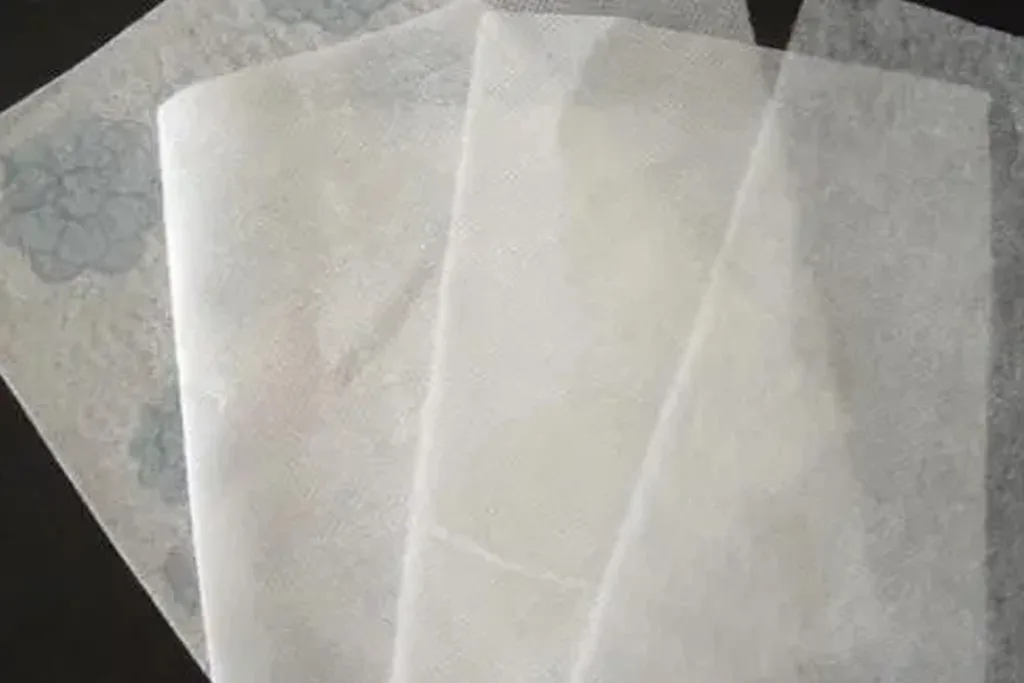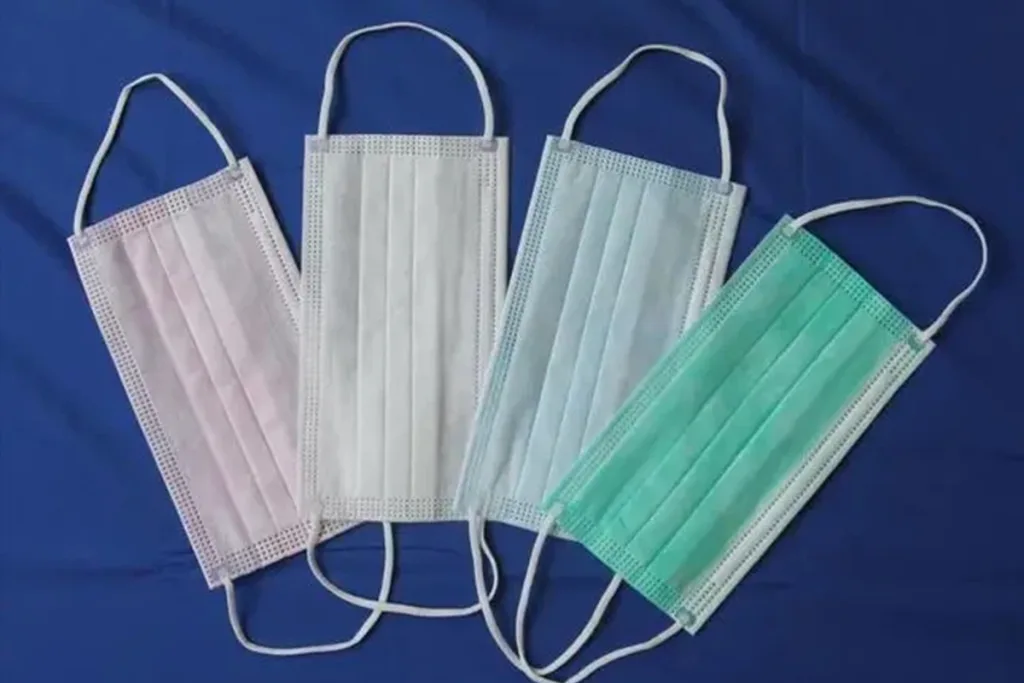

In the rapidly evolving field of medical technology, materials science plays a pivotal role in improving patient outcomes and healthcare worker safety. One such breakthrough material is ES staple fiber medical nonwoven fabric—a high-performance textile that is transforming the design and functionality of medical products. From wound dressings to surgical gowns and protective masks, this innovative nonwoven material offers a unique combination of softness, strength, breathability, and antibacterial properties.
In this comprehensive guide, we’ll explore what ES staple fiber medical nonwoven is, how it’s made, its key advantages, and its wide-ranging applications in the medical field. Whether you’re a medical professional, procurement specialist, or simply curious about modern healthcare materials, this article will provide valuable insights.
What Is ES Staple Fiber Medical Nonwoven Fabric?
ES staple fiber medical nonwoven fabric is a specialized nonwoven material produced from ES fibers (short for “Ethylene-Propylene Side-by-Side” bicomponent fibers). These fibers consist of two polymer components—typically polyethylene (PE) and polypropylene (PP)—arranged in a side-by-side or sheath-core configuration. Through a special electrostatic carding process combined with thermal bonding, the fibers form a stable, three-dimensional network structure.
This unique structure imparts exceptional properties to the fabric, making it ideal for medical applications where comfort, barrier protection, and hygiene are paramount.
Key characteristics:
Ultra-soft and skin-friendly
High tensile strength
Excellent breathability and moisture absorption
Antibacterial and hypoallergenic
Electrostatic adsorption capacity (for filtration)
How Is ES Medical Nonwoven Made? The Electrostatic Carding Process
The manufacturing process of ES staple fiber medical nonwoven involves several advanced steps:
Fiber Preparation: ES bicomponent staple fibers are precisely blended to achieve desired properties.
Electrostatic Carding: Fibers are fed into a carding machine equipped with electrostatic charges. This aligns the fibers and creates a uniform web while imparting electrostatic charges to enhance filtration efficiency.
Web Formation: The carded web is layered to achieve the required thickness and density.
Thermal Bonding: The web passes through heated rollers, melting the lower-melting-point component (usually PE) to fuse fibers at crossover points, forming a stable, porous structure.
Finishing: Optional treatments (e.g., antibacterial coatings, hydrophilicity) can be applied.
The result is a nonwoven fabric with a stable three-dimensional network that provides both softness and mechanical integrity.
Key Advantages of ES Staple Fiber Medical Nonwoven
1. Superior Comfort and Skin-Friendliness
ES nonwoven fabrics are exceptionally soft and non-irritating, making them ideal for direct contact with sensitive skin. Patients with wounds or surgical incisions experience less pain and discomfort when using dressings or gowns made from this material.
2. Excellent Breathability and Moisture Management
The porous structure allows air and moisture vapor to pass through while preventing liquid penetration. This helps:
Keep wounds dry, promoting faster healing
Reduce sweat buildup in surgical gowns and masks, enhancing wearer comfort
Maintain a balanced microclimate under dressings
3. High Strength and Durability
Despite its softness, ES nonwoven offers remarkable tensile strength. It resists tearing and puncturing during use, ensuring reliable barrier protection in critical applications like surgical drapes and protective clothing.
4. Antibacterial Properties
ES fibers can be engineered with antibacterial additives or finished with antimicrobial coatings. This inhibits bacterial growth on the fabric surface, reducing the risk of cross-contamination and infection.
5. Electrostatic Filtration Efficiency
The electrostatic charges imparted during carding enable the fabric to attract and trap airborne particles, including bacteria and viruses. This makes it an excellent choice for filter layers in masks and respirators.
6. Hypoallergenic and Safe
ES nonwoven is free from harmful chemicals and latex, minimizing allergic reactions. It meets stringent medical standards for biocompatibility.
Applications of ES Staple Fiber Medical Nonwoven in Healthcare
🏥 Wound Care and Dressings
ES nonwoven is widely used in:
Adhesive wound dressings: The soft, breathable backing allows wounds to heal while keeping out contaminants.
Absorbent pads: High moisture absorption capacity helps manage exudate.
Burn dressings: Gentle on damaged skin and prevents adherence to the wound.
👩⚕️ Surgical Gowns and Drapes
In operating rooms, ES nonwoven provides:
Fluid resistance: Prevents blood and bodily fluids from penetrating, protecting both patient and surgical team.
Bacterial barrier: Reduces the risk of surgical site infections.
Comfort: Lightweight and breathable, allowing surgeons to work for hours without overheating.
😷 Face Masks and Respirators
ES nonwoven serves as:
Core filtration layer: Electrostatic properties trap fine particles, bacteria, and viruses.
Inner comfort layer: Soft against the skin, reducing irritation during prolonged wear.
Outer protective layer: Durable and splash-resistant.
🧤 Protective Clothing
For healthcare workers handling infectious materials, ES nonwoven is used in:
Isolation gowns
Coveralls
Shoe covers and caps
Its combination of barrier protection and comfort is essential during outbreaks and pandemic response.
🧴 Hygiene Products
ES nonwoven is also found in:
Sanitary napkins and panty liners
Adult incontinence pads
Baby diaper components
The material’s softness and fluid management improve user experience.
ES Nonwoven in Public Health Emergencies
The COVID-19 pandemic highlighted the critical role of high-performance nonwovens. ES staple fiber medical nonwoven became a key material in the production of:
N95 respirators and surgical masks
Isolation gowns for frontline workers
Protective suits for virus testing and patient care
Its ability to combine high filtration efficiency with breathability made it indispensable in protecting millions of people worldwide. The electrostatic adsorption capacity effectively captured aerosolized pathogens, while the soft inner layer ensured compliance with extended wear.
ES Staple Fiber vs. Other Medical Nonwovens
| Feature | ES Staple Fiber Nonwoven | Meltblown Nonwoven | Spunbond Nonwoven |
|---|---|---|---|
| Softness | High | Medium | Low |
| Strength | High | Low | High |
| Breathability | Excellent | Moderate | High |
| Filtration Efficiency | High (with electrostatic) | Very high | Low |
| Cost | Moderate | Higher | Low |
| Typical Use | Dressings, gowns, masks | Mask filters | Bags, wraps |
ES nonwoven fills a unique niche where both comfort and performance are required, making it a versatile choice for medical applications.
Frequently Asked Questions (FAQ)
What does “ES” stand for in ES staple fiber?
ES stands for Ethylene-Propylene Side-by-Side, referring to the bicomponent fiber structure. It combines the properties of polyethylene (softness, bonding) and polypropylene (strength, chemical resistance).
Is ES medical nonwoven fabric biodegradable?
Standard ES fibers are petroleum-based (PE/PP) and not biodegradable. However, research is ongoing to develop bio-based or compostable versions for eco-friendly medical products.
Can ES nonwoven be sterilized?
Yes, ES nonwoven can withstand common sterilization methods such as ethylene oxide (EtO), gamma radiation, and electron beam, without significant degradation of properties.
How does ES nonwoven compare to cotton?
ES nonwoven is synthetic but offers superior barrier protection, uniformity, and consistency compared to cotton. It is also lighter and more breathable for medical use.
Is ES nonwoven safe for people with allergies?
Yes, ES nonwoven is hypoallergenic and latex-free, making it suitable for individuals with sensitive skin or allergies.
Future Trends and Innovations
The medical nonwoven market is expected to grow significantly, driven by:
Aging populations and increasing healthcare needs
Rising awareness of infection control post-pandemic
Technological advancements in fiber and fabric engineering
For ES staple fiber nonwoven, future developments may include:
Antiviral coatings for enhanced protection
Smart textiles with embedded sensors for wound monitoring
Sustainable variants using bio-based polymers
Multilayer composites combining ES with other nonwovens for superior performance
Conclusion
ES staple fiber medical nonwoven fabric represents a remarkable convergence of material science and healthcare needs. Its unique electrostatic carding process yields a fabric that is soft, strong, breathable, and antibacterial—qualities that are essential in modern medical products. From protecting surgical teams to comforting patients and filtering harmful particles, ES nonwoven is truly a cornerstone of medical textiles.
As technology advances and demand for high-performance healthcare materials grows, ES staple fiber nonwoven will continue to play a vital role in safeguarding human health and driving innovation in the medical field.
Keywords: ES staple fiber medical nonwoven, medical nonwoven fabric, electrostatic carding nonwoven, breathable medical fabric, antibacterial nonwoven, surgical gown material, mask filter layer, wound dressing nonwoven, healthcare textile innovation.