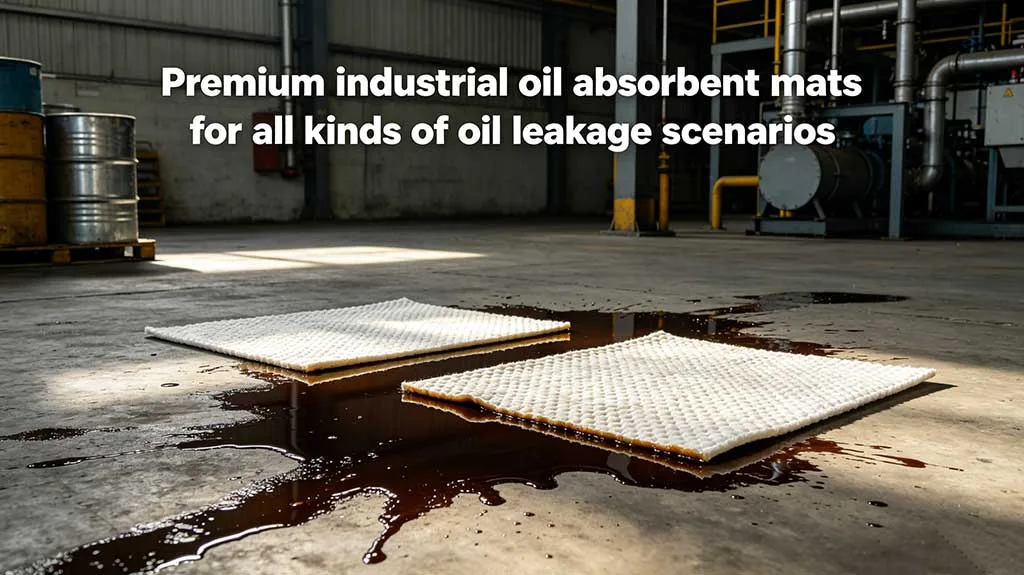
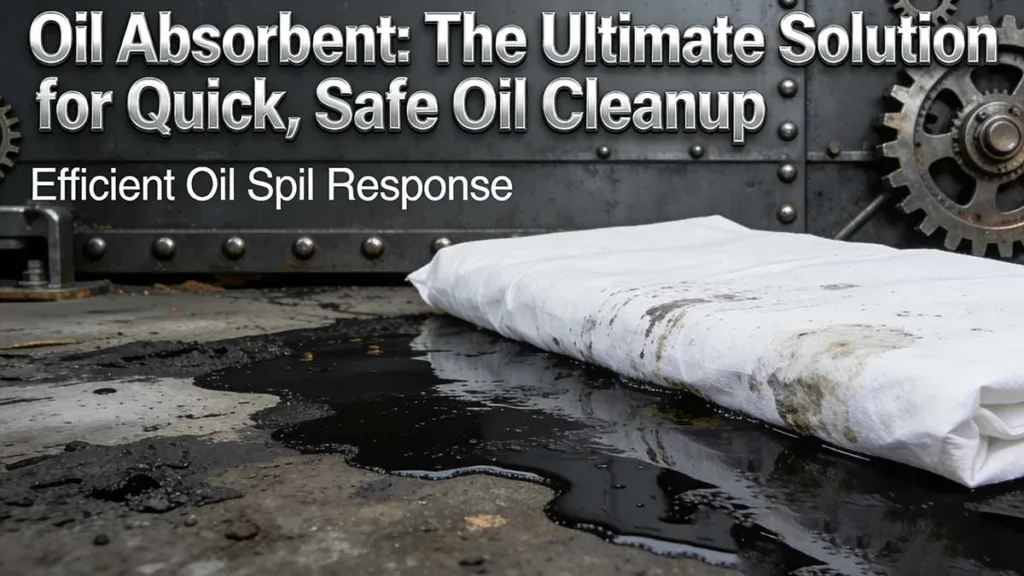
Oil absorbent is the cornerstone of efficient, safe oil spill cleanup across industries, offering a simple yet powerful way to contain and remove oil without damaging surfaces or harming the environment. Whether you’re dealing with a small leak in a garage or a large industrial spill, the right oil absorbent products cut cleanup time, reduce risks, and ensure compliance with safety standards.
In this guide, we’ll break down everything you need to know about oil absorbent—from how it works to which type fits your needs, and why it’s a non-negotiable tool for any space prone to oil spills.
What Is Oil Absorbent, and How Does It Work?
At its core, oil absorbent is a material designed to soak up oil, grease, and other hydrocarbon-based liquids while repelling water (in most cases). Unlike regular cloth or paper towels, which absorb both oil and water and quickly become saturated, high-quality oil absorbent products are engineered to target oil specifically, making them far more efficient for cleanup tasks. But how exactly does this work?
The Science Behind Oil Absorbent
Oil absorbent relies on two key properties to do its job effectively—lipophilicity (attraction to oil) and hydrophobicity (repulsion of water). Here’s a simple breakdown of the process:
- Lipophilic materials have a natural affinity for oil molecules, allowing them to draw oil into their structure like a sponge.
- Hydrophobic components prevent water from being absorbed, ensuring the product focuses solely on oil and doesn’t become waterlogged.
- The porous structure of most oil absorbent products (like polypropylene fibers) creates more surface area, enabling them to absorb up to 70 times their own weight in oil.
Common Misconceptions About Oil Absorbent
Many people misunderstand how oil absorbent works, leading to inefficient cleanup or wasted money. Let’s clear up the most common myths:
- Myth: All oil absorbent products work the same. Fact: Different products are designed for specific spills—some for small drips, others for large pools or marine environments.
- Myth: Oil absorbent is only for industrial use. Fact: It’s just as useful in homes, garages, and commercial kitchens to clean up cooking oil or automotive leaks.
- Myth: Cheaper oil absorbent is just as effective. Fact: Low-quality products often absorb less oil, break apart easily, or fail to repel water, leading to more waste.
Types of Oil Absorbent Products (And When to Use Each)
Oil absorbent comes in several forms, each tailored to different spill sizes, locations, and scenarios. Choosing the right type ensures you clean up quickly and effectively without overspending. Below is a detailed breakdown of the most common oil absorbent products, their benefits, and ideal uses.
Oil Absorbent Pads
Oil absorbent pads are flat, lightweight sheets designed for small to medium spills. They’re the most versatile option and are used across nearly every industry. Here’s what you need to know:
- Key Features: Available in oil-only or universal (absorbs oil, water, and chemicals) varieties; disposable; easy to store and deploy; non-toxic and lint-free.
- Ideal Uses: Countertop drips in commercial kitchens, small leaks under machinery, garage floor spills, and as a liner under equipment to catch leaks before they spread.
- Pro Tip: For high-traffic areas, use heavy-duty oil absorbent pads that resist tearing when stepped on or moved.
Oil Absorbent Socks
Oil absorbent socks (also called booms) are cylindrical or tubular products designed to contain and absorb oil spills. They’re perfect for directing spills and preventing them from spreading to sensitive areas.
- Key Features: Flexible; can be bent around corners or equipment; floats on water (ideal for marine spills); available in various lengths (1ft to 10ft); reusable or disposable options.
- Ideal Uses: Containing spills around machinery, blocking oil from entering drains or water sources, wrapping around pipes to catch leaks, and marine spills (e.g., boats, docks).
- Case Study: A manufacturing plant in Ohio used oil absorbent socks to contain a 50-gallon hydraulic oil spill near a storm drain. The socks prevented the oil from entering the drain, avoiding environmental fines and a costly cleanup effort.
Oil Absorbent Rolls
Oil absorbent rolls are large, continuous sheets that can be cut to any length. They’re ideal for covering large areas or custom-fitting to irregular spaces.
- Key Features: Customizable length; can cover large surfaces (e.g., warehouse floors, parking lots); available in perforated options for easy tearing; oil-only or universal absorption.
- Ideal Uses: Large spills in warehouses, covering workbenches or floors during maintenance, lining trucks or storage containers to prevent leaks, and cleaning up spills in hard-to-reach areas.
- Pro Tip: Cut oil absorbent rolls into small pieces to use as makeshift pads for small spills, reducing waste and saving money.
Oil Absorbent Locks (Pillows)
Oil absorbent locks (also known as absorbent pillows) are thick, pillow-like products designed for heavy-duty absorption. They’re perfect for large spills or areas where oil accumulates in pools.
- Key Features: High absorption capacity (up to 50 times their weight); durable, tear-resistant material; can be stacked for larger spills; floats on water.
- Ideal Uses: Large industrial spills, pooling oil under heavy machinery, marine spills (e.g., oil slicks), and emergency cleanup kits.
- Fun Fact: Oil absorbent locks are often used in spill response kits because they can be deployed quickly and absorb large amounts of oil in a short time.
Comparison of Oil Absorbent Products
Product Type | Absorption Capacity | Best For | Pros | Cons |
|---|---|---|---|---|
10-30x their weight | Small to medium spills, flat surfaces | Affordable, easy to use, disposable | Not ideal for large spills | |
Oil Absorbent Socks | 20-40x their weight | Containing spills, marine use | Flexible, prevents spread, floats | May need multiple for large spills |
Oil Absorbent Rolls | 15-35x their weight | Large areas, custom fits | Customizable, covers large spaces | Requires storage space |
Oil Absorbent Locks | 30-50x their weight | Large spills, pooling oil | High capacity, durable | More expensive than pads |
How to Choose the Right Oil Absorbent for Your Needs
With so many oil absorbent products available, choosing the right one can be overwhelming. The key is to consider your specific needs—spill size, location, surface type, and whether you need oil-only or universal absorption. Below is a step-by-step guide to help you make the right choice.
Step 1: Determine the Spill Size
- Small spills (less than 1 gallon): Use oil absorbent pads or small pieces of absorbent rolls. These are easy to deploy and dispose of, making them perfect for minor drips or leaks.
- Medium spills (1-10 gallons): Combine oil absorbent socks (to contain the spill) with pads or rolls (to clean up the oil). This prevents the spill from spreading while absorbing the oil efficiently.
- Large spills (more than 10 gallons): Use oil absorbent locks (for heavy absorption) and socks (to contain the spill). You may also need multiple rolls to cover the affected area.
Step 2: Consider the Location
- Indoor spaces (warehouses, garages, kitchens): Use oil-only absorbent products to avoid absorbing water (e.g., from cleaning floors). Pads, rolls, and small socks work best here.
- Outdoor spaces (yards, parking lots, docks): Use universal absorbent products if rain or water is present. Socks and locks are ideal for outdoor spills, as they can float on water and prevent oil from entering drains or water sources.
- Marine environments (boats, lakes, oceans): Use oil-only absorbent socks and locks that float. These products repel water and focus on absorbing oil, protecting aquatic life.
Step 3: Choose Between Oil-Only and Universal Absorbent
The biggest decision you’ll make is whether to use oil-only or universal absorbent. Here’s how to decide:
- Oil-only absorbent: Best for spills where you only need to absorb oil (e.g., automotive leaks, cooking oil). They repel water, so they’re more efficient for oil-specific cleanup.
- Universal absorbent: Best for spills that include oil and water (e.g., rain-soaked oil spills, chemical spills). They absorb both oil and water, making them versatile for mixed spills.
Step 4: Think About Disposability and Reusability
- Disposable oil absorbent: Ideal for one-time use or small spills. Pads, rolls, and most socks are disposable, making cleanup quick and easy (simply throw them away after use).
- Reusable oil absorbent: Best for frequent spills or large areas. Some socks and locks can be cleaned and reused, saving money over time. Just make sure to follow the manufacturer’s cleaning instructions to maintain absorption capacity.
Common Questions About Oil Absorbent (FAQs)
We often get asked questions about oil absorbent products—from how to use them to how to dispose of them. Below are the most common questions and answers to help you get the most out of your oil absorbent.
How long does oil absorbent take to work?
Most oil absorbent products start absorbing oil immediately upon contact. Small spills (less than 1 gallon) can be fully absorbed in 1-2 minutes, while larger spills may take 5-10 minutes. For viscous oils (e.g., motor oil), you may need to let the absorbent sit for a few extra minutes to fully soak up the oil.
Can oil absorbent be used on all surfaces?
Yes, most oil absorbent products are safe for use on nearly all surfaces, including concrete, wood, metal, and tile. However, avoid using oil absorbent on delicate surfaces (e.g., polished wood or painted surfaces) without testing a small area first—some products may leave a residue.
How do I dispose of used oil absorbent?
Disposal depends on whether the absorbent has been used to clean up hazardous materials (e.g., motor oil, chemicals) or non-hazardous oil (e.g., cooking oil):
- Non-hazardous oil: Used absorbent can be disposed of in regular trash (check local regulations first).
- Hazardous oil: Used absorbent is considered hazardous waste and must be disposed of at a hazardous waste facility. Do not throw it in regular trash or pour it down drains.
Is oil absorbent environmentally friendly?
Many modern oil absorbent products are made from eco-friendly materials (e.g., recycled polypropylene, natural fibers) that are biodegradable or recyclable. Additionally, using oil absorbent prevents oil from entering water sources, protecting aquatic life and the environment. Always check the product label for eco-friendly certifications.
Can oil absorbent be used for chemical spills?
Only universal absorbent products are designed for chemical spills. Oil-only absorbent will not absorb chemicals and may even react with some chemicals, causing damage. Always check the product specifications to ensure it’s safe for the type of chemical you’re cleaning up.
Why Oil Absorbent Is Essential for Safety and Compliance
Oil spills aren’t just messy—they’re also a safety hazard and a compliance risk. Using oil absorbent helps you avoid costly fines, prevent accidents, and protect your employees, customers, and the environment. Here’s why it’s essential:
Safety Benefits
- Prevents slips and falls: Oil spills create slippery surfaces, which are a leading cause of workplace accidents. Oil absorbent soaks up the oil quickly, reducing the risk of injuries.
- Reduces fire hazards: Oil is flammable, and spills near hot equipment (e.g., engines, stoves) can start fires. Oil absorbent removes the oil, eliminating this risk.
- Protects employees: Exposure to oil can cause skin irritation, respiratory issues, and other health problems. Using oil absorbent keeps employees safe from direct contact with oil.
Compliance Benefits
- Meets environmental regulations: Most countries and states have strict regulations about oil spills, especially those that could enter water sources. Using oil absorbent helps you comply with these regulations and avoid fines (which can be up to $10,000 or more for a single spill).
- Workplace safety standards: OSHA and other safety organizations require workplaces to have proper spill cleanup equipment, including oil absorbent. Having these products on hand ensures you meet these standards.
Cost Savings
- Reduces cleanup time: Oil absorbent makes cleanup faster and more efficient, saving you time and labor costs.
- Prevents damage: Oil can damage surfaces (e.g., concrete, metal) and equipment, leading to costly repairs. Oil absorbent prevents this damage by removing the oil quickly.
- Avoids fines: As mentioned, environmental fines for oil spills are expensive. Using oil absorbent helps you avoid these fines and the associated legal costs.
Real-World Examples of Oil Absorbent in Action
To illustrate just how effective oil absorbent can be, here are two real-world examples of businesses and individuals using oil absorbent to solve spill problems.
Example 1: Commercial Kitchen
A busy restaurant in Texas was struggling with frequent cooking oil spills on their kitchen floor. The spills were causing slips and falls, and the restaurant was at risk of failing a health inspection. They started using oil absorbent pads under their fryers and near their cooking stations. The pads soaked up spills quickly, reducing slip risks and keeping the kitchen clean. The restaurant also used oil absorbent rolls to clean up larger spills during closing time. Since implementing oil absorbent products, they haven’t had a single slip accident, and their health inspection scores have improved significantly.
Example 2: Industrial Warehouse
A manufacturing warehouse in California had a major hydraulic oil spill (approximately 30 gallons) when a machine hose burst. The spill was near a storm drain, which put the warehouse at risk of environmental fines. The warehouse team quickly deployed oil absorbent socks to block the drain and contain the spill, then used oil absorbent locks to soak up the oil. The entire cleanup took less than 30 minutes, and no oil entered the storm drain. The warehouse avoided fines and was able to resume operations the same day. They now keep a stock of oil absorbent products in their emergency spill kit to handle future leaks quickly.
Final Thoughts: Why Oil Absorbent Is the Ultimate Oil Cleanup Solution
Oil absorbent is more than just a cleanup tool—it’s a safety essential, a compliance requirement, and a cost-saving investment. Whether you’re a small business owner, a homeowner, or an industrial manager, having the right oil absorbent products on hand ensures you can handle any oil spill quickly, safely, and efficiently. From oil absorbent pads for small drips to locks for large spills, there’s a product designed for every scenario. By choosing the right oil absorbent and using it correctly, you can protect your space, your people, and the environment—all while saving time and money. If you’re unsure which oil absorbent product is right for your needs, reach out to a trusted supplier to get personalized recommendations tailored to your specific situation. Remember, when it comes to oil cleanup, oil absorbent is the ultimate solution.